The meat processing industry is one of the sectors with high energy, water and material consumption. Production and packaging processes therefore need to be designed to be as sustainable and resource-efficient as possible. IFFA - Technology for Meat and Alternative Proteins - will showcase the current state of the art from 3 to 8 May 2025 in Frankfurt am Main.
Whether energy efficiency, process efficiency or resource efficiency: „Sustainability is always linked to efficiency,“ says Klaus Schröter, Chairman of the VDMA Process Technology Division for Meat and Protein ProcessingThe machine and plant manufacturers are constantly developing solutions to reduce consumables and materials such as water, cooling, cleaning agents and compressed air. Where waste heat is generated, we utilise it in other operating areas. We also integrate solar technology into processes to make them more energy-efficient.„
Bio-based packaging increases the recycling rate
Packaging is about the transition to a circular economy that produces as little waste as possible through reuse and recycling. As is well known, the legal framework for this is the new EU packaging regulation (PPWR), which came into force on 11 February 2025 and affects almost all sectors, including the meat processing industry.

Among other things, it stipulates that 40 per cent of packaging must be recyclable by 2030 and 70 per cent by 2040. Certain proportions of recycled materials are also specified. For example, packaging that is not made of PET and comes into contact with food must consist of 10 per cent recycled materials by 2030 and 25 per cent by 2040.
Variants made from renewable raw materials
The regulation even affects the design of packaging: They should be as light, small and separable as possible. Researchers are therefore working on bio-based variants made from renewable raw materials, such as seaweed, which are either recyclable or compostable. Enzymes are incorporated into the bioplastics for more effective composting. Multilayer composites can be separated and recycled through the enzymatic degradation of an intermediate layer. Coatings based on whey protein reduce oxygen permeability.
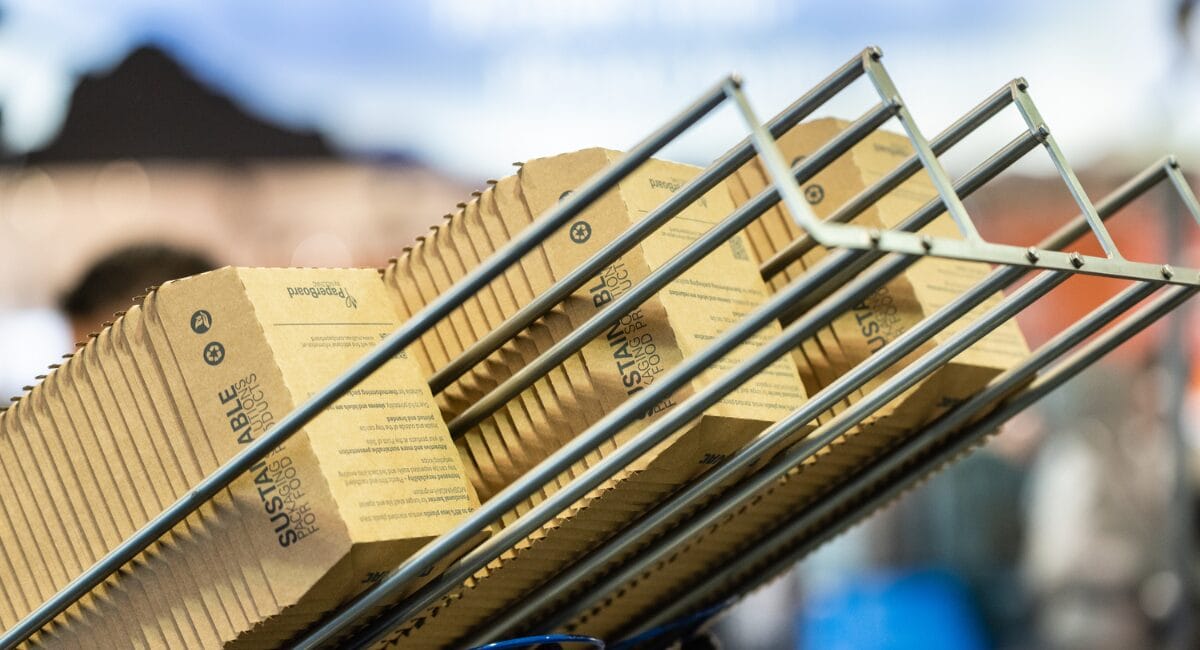
Another well-known trend is the substitution of conventional plastic packaging with paper composites. Paper composite packaging coated with nanocellulose is a mono-material that is 100 per cent recyclable via the waste paper stream. The cellulose also acts as an oxygen barrier. In order to increase the recycling rate, research is also being carried out into improving the separability of common multilayer packaging. The Fraunhofer Institute for Process Engineering and Packaging IVV utilises a solvent-based process that removes the target plastics as monomaterial from mixed plastics or composites and processes them into high-quality regranulates. This significantly increases the recycling rates for composite packaging and multilayer films.
AI for perfect packaging
Of course, researchers are also using artificial intelligence (AI) to develop packaging that is as perfect as possible and not only has a good eco-balance, but also fulfils a wide range of requirements, such as durability, design, customer acceptance and, last but not least, cost. In the interdisciplinary research project KIOptiPack, scientists are working together with participating companies on software that uses AI to make suggestions for the best possible packaging designs while minimising the amount of material used and ensuring a high proportion of recycled material. This would enable companies to realise sustainable packaging solutions without time-consuming test phases.
Source: Frankfurt Fair