The Green Deal sets the direction: Europe wants to become climate-neutral by 2050, not least by systematically expanding the circular economy. What do the increasing requirements mean for packaging recycling? And how can dual systems and their customers help shape the sustainable transformation themselves? The Interzero Recycling Alliance (Interseroh+ until 30 April 2024) relies on an innovative business model - and the power of cooperation.
On 12 June 1991, the „Ordinance on the Avoidance and Recycling of Packaging Waste“ was published in the Federal Law Gazette - the starting signal for waste separation and packaging recycling in Germany. Interseroh Dienstleistungs GmbH also played an early role in the development and expansion of the circular economy. Initially specialising in the take-back and recycling of transport packaging, Interseroh was granted exemption as a dual system in 2006. In the newly created Competitive market for packaging licensing the Cologne-based environmental services provider has now also taken care of the collection, sorting and recycling of used sales packaging. The company, which has been part of the ALBA Group also invested in the Innovative process for closing the plastics loop - and continued to develop its service portfolio. A plus that will also be reflected in the new name from 2021. Interseroh+ reflected. In addition, Interseroh+ turns customers into partners and offers not only international packaging licensing and recycling-friendly packaging design access to raw materials for recyclates. As part of the reorganisation of the Interzero Group, the name has now been changed to Interzero Recycling Alliance.
Declining packaging consumption
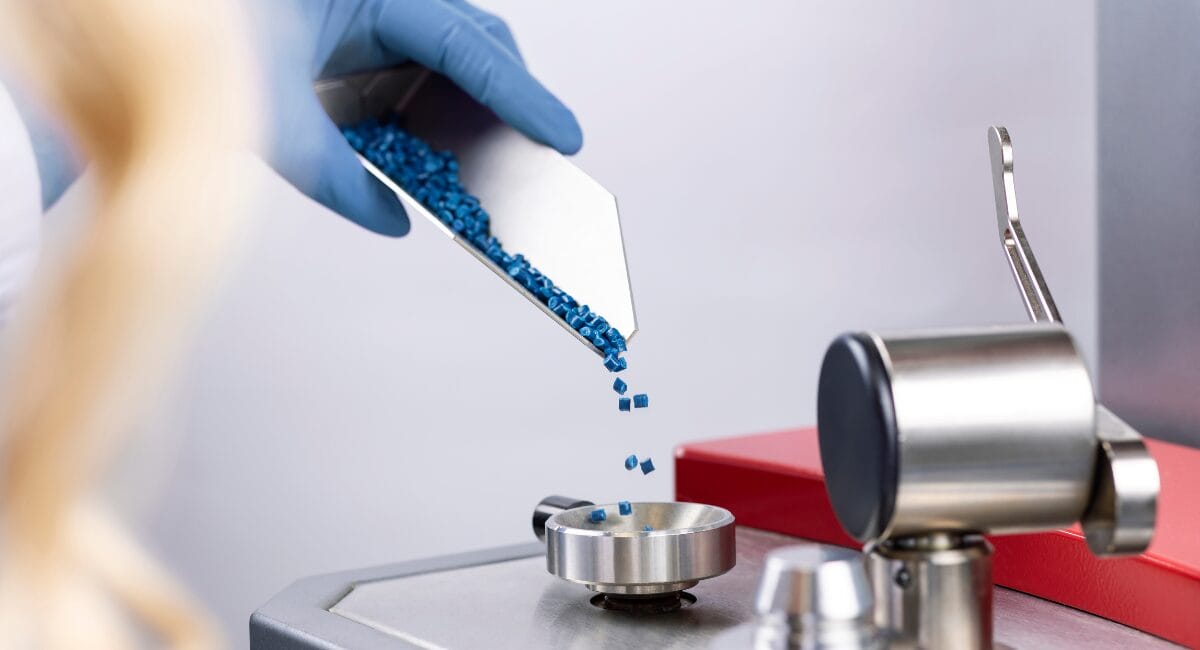
Companies such as the Interzero Recycling Alliance have invested heavily in supporting industry and retailers in realising their producer responsibility and getting the cycle moving. Now the annual mountain of packaging waste in Germany seems to be getting smaller for the first time. As a study by the GVM Society for Packaging Market Research and the Ifeu Institute shows that packaging consumption has already peaked in 2021 and is expected to decline in the coming years. This is due not least to the packaging strategies of industry and retail, which are based on the overriding objective of the Circular Economy Act orientated - the avoidance of waste. A lot of dispensable packaging has disappeared from supermarket shelves. At the same time, more containers are subject to the deposit obligation, including disposable packaging for milk and mixed milk drinks since the beginning of 2024. This means for the dual systems: Fewer plastics in the yellow bin - more competition for volumes and licence fees.

Stricter legal requirements
How are recycling companies dealing with the changed market situation? „We will continue to focus on plastics recycling,“ says Frank Kurrat, Managing Director of the Interzero Recycling Alliance. „Keeping plastics in the cycle is an important task for the future and we will continue to do everything we can to further improve collection and recycling.“ The Mechanical recycling has priority. For mixed plastic waste that cannot be mechanically recycled and would otherwise end up in incineration, chemical processes can also be useful. Interzero is investing in such processes together with partners, for example with the post-sorting plant currently under construction in Walldürn. „At the end of the day, the important thing is that we can environment and provide our customers with sufficient recycled raw materials for sustainable production,“ continues Kurrat. For example, the pressure to act Packaging & Packaging Waste Regulation (PPWR), which has yet to be formally approved by the Council of Ministers and the plenary of the European Parliament. Anyone wishing to place packaging on the European market must ensure recyclability from 2030, among other things and ensure that all plastic packaging contains a minimum proportion of post-consumer recyclate (PCR). But where will sufficient recyclates come from if waste volumes are falling? A battle for high-quality recycled raw materials seems inevitable.
More planning security for industry and trade
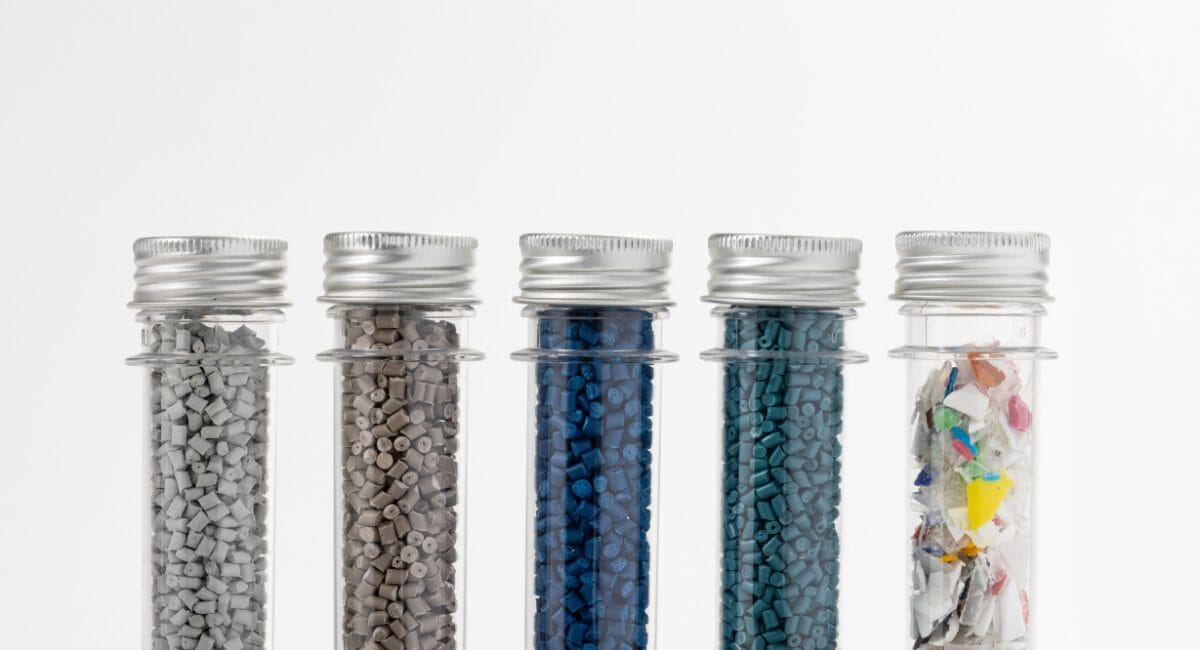
For recycling companies, this is an opportunity to make a name for themselves as a raw materials partner beyond collection and recycling. With its Recycling Alliance, Interzero aims to create planning security and support brand manufacturers and retailers with an expanded service portfolio.
„The Recycling Alliance is more than just a dual system. We offer our customers legally compliant licensing and recycling of their packaging - not only in Germany, but also internationally. We also help them to optimise their packaging, always taking into account the current and upcoming eco-fee modulation models in the individual countries. In view of EU regulations and the required recyclate utilisation quotas for packaging, distributors are also well advised to find the right raw material partner now. As a member of the Recycling Alliance, they always have access to suitable PCR plastics.“
Frank Kurrat
A business model that sounds like the future. The Interzero Recycling Alliance and its customers benefit from a strong network: Interzero has the largest sorting capacity for lightweight packaging in Europe. With around 2,000 employees, the company supports over 50,000 customers across Europe in the responsible handling of recyclable materials.
With its renowned Plastics Competence Centre and the „Made for Recycling“ packaging analysis, the company also offers a comprehensive range of services. Support for sustainable packaging design.
- The Plastics Competence Centre in Maribor, Slovenia, received international accreditation (ISO/IEC 17025:2017) in 2020 - as the only recognised research facility in the EU that specialises in the development and analysis of recycled plastics.
- The specialists advise on the use of quality-tested recyclates for individual applications. Recompounds from Interzero can be adapted precisely to the customer's requirements and save around 50 per cent of greenhouse gases compared to primary plastics.
- The laboratory also has extensive technical facilities for testing the recyclability of packaging. The scientific assessment methodology „Made for Recycling“ was developed together with the bifa Umweltinstitut and confirmed by the Fraunhofer Institute for Process Engineering and Packaging IVV.
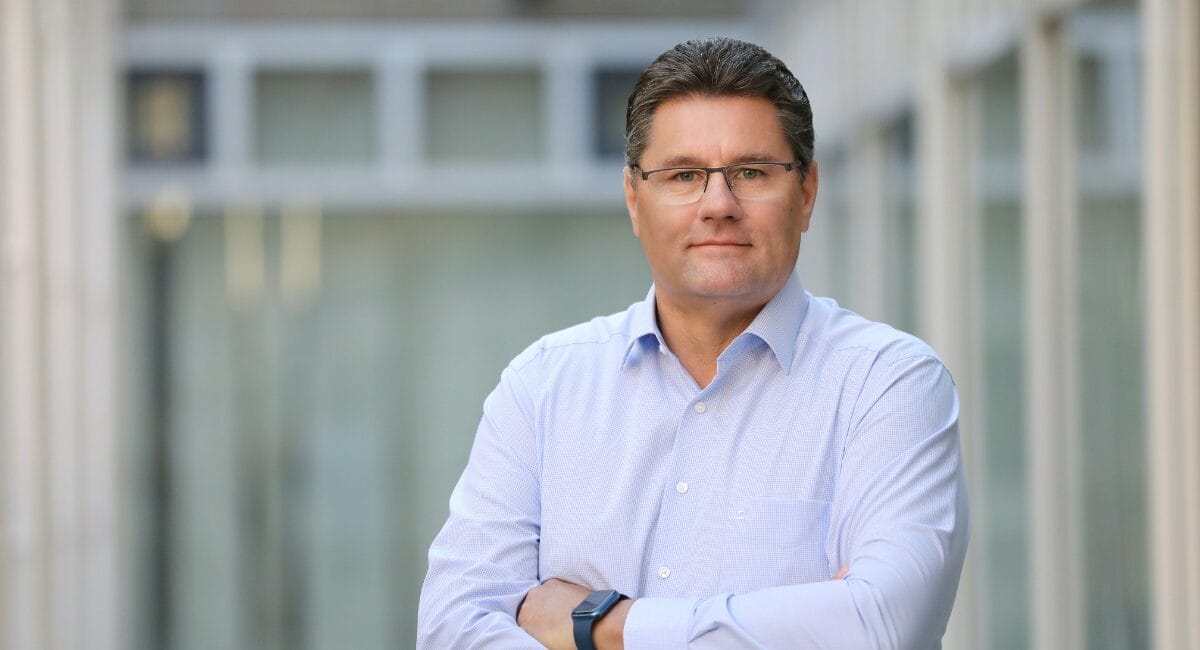
„The circular economy can and must make a significant contribution to protecting the climate and resources. But the transformation doesn't work at the push of a button. We need close collaboration along the entire packaging value chain in order to drive innovation and facilitate implementation for all stakeholders. With the Interzero Recycling Alliance, we are pursuing precisely this cooperative, holistic approach: together with customers and partners, we want to make packaging sustainable from the outset, close raw material loops and establish a circular economy that benefits the environment and companies.“
Frank Kurrat, Managing Director of the Interzero Recycling Alliance
On course together
Better recyclability, higher recycled content: Every packaging optimisation is an important step towards zero waste. However, a successful transformation of the entire packaging industry requires more than individual initiatives: „It is very difficult for individual companies to drive innovation strategically. One Alliance of manufacturers, retailers and recyclers on the other hand, has many options for establishing sustainable material cycles,“ says Frank Kurrat. „The core of our strategy, which was initiated by Markus Müller-Drexel and which we are now consistently pursuing as a team, is therefore cooperation. We provide our customers with comprehensive support and guidance on the path to sustainable packaging strategies.“ A concrete result of successful cooperation: Aldi's grey Tandil 3-in-1 box, which consists almost entirely of PCR, won the German Packaging Award in the Sustainability category in 2023 and the WorldStar Award in 2024.