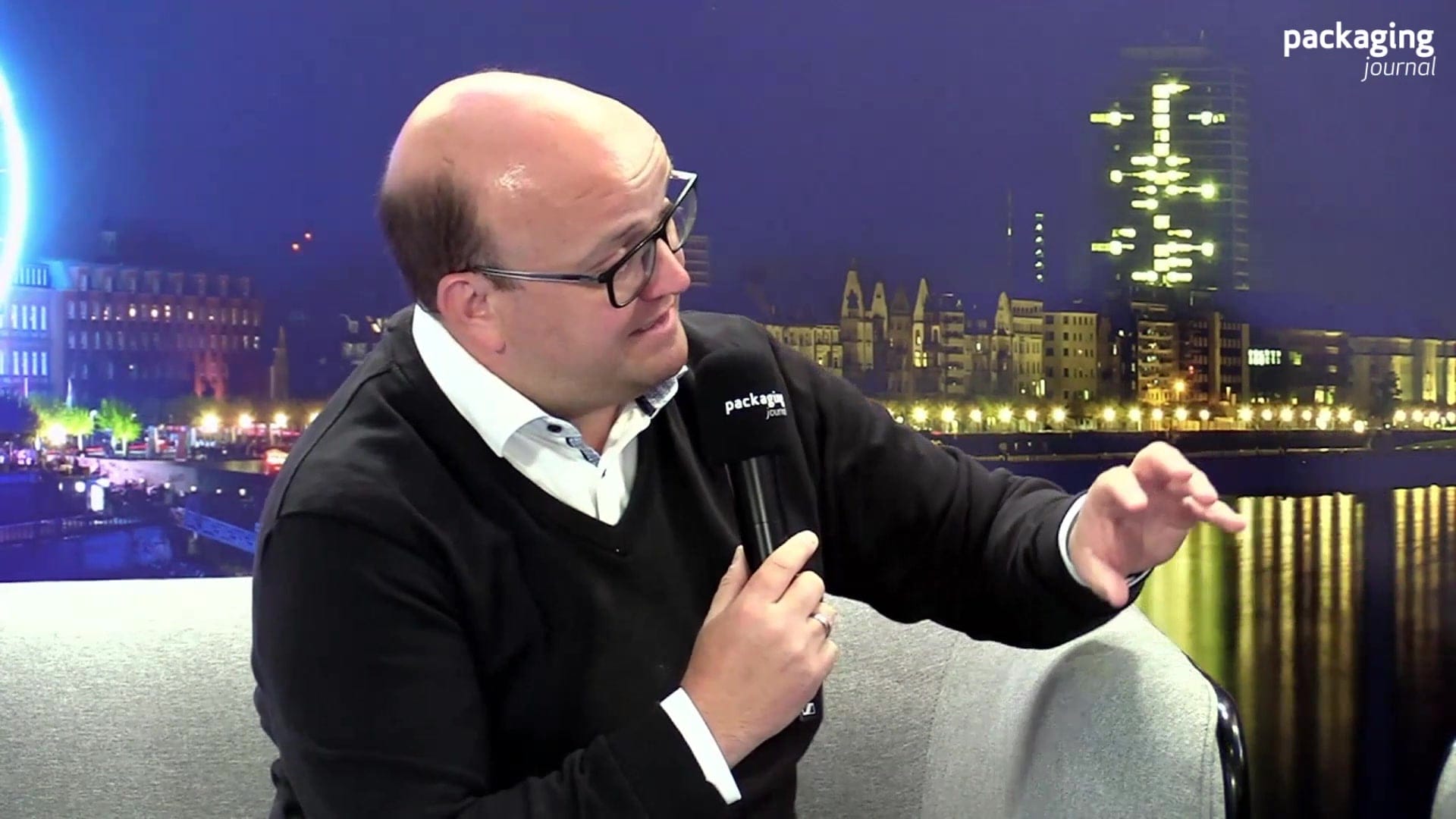
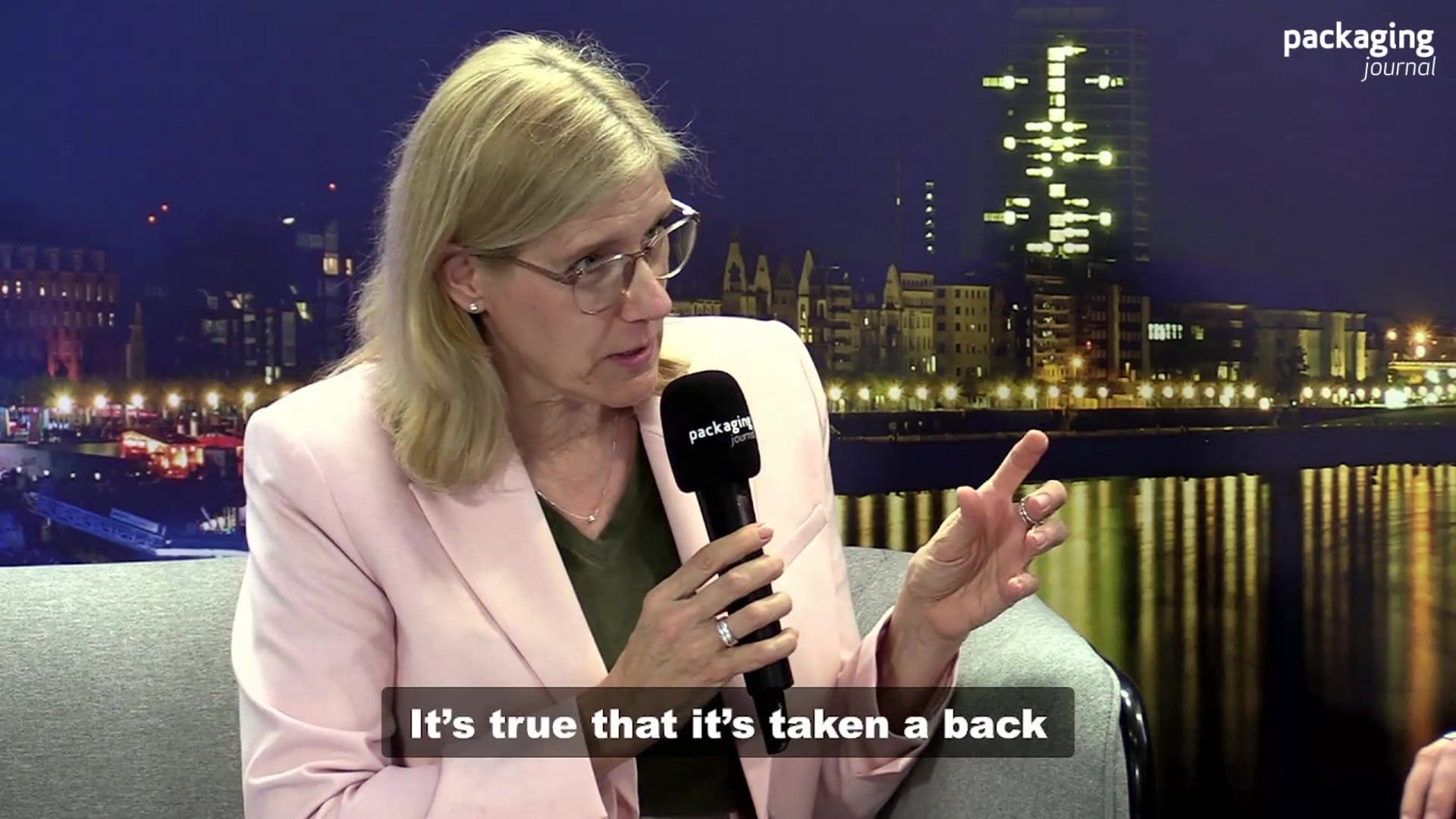
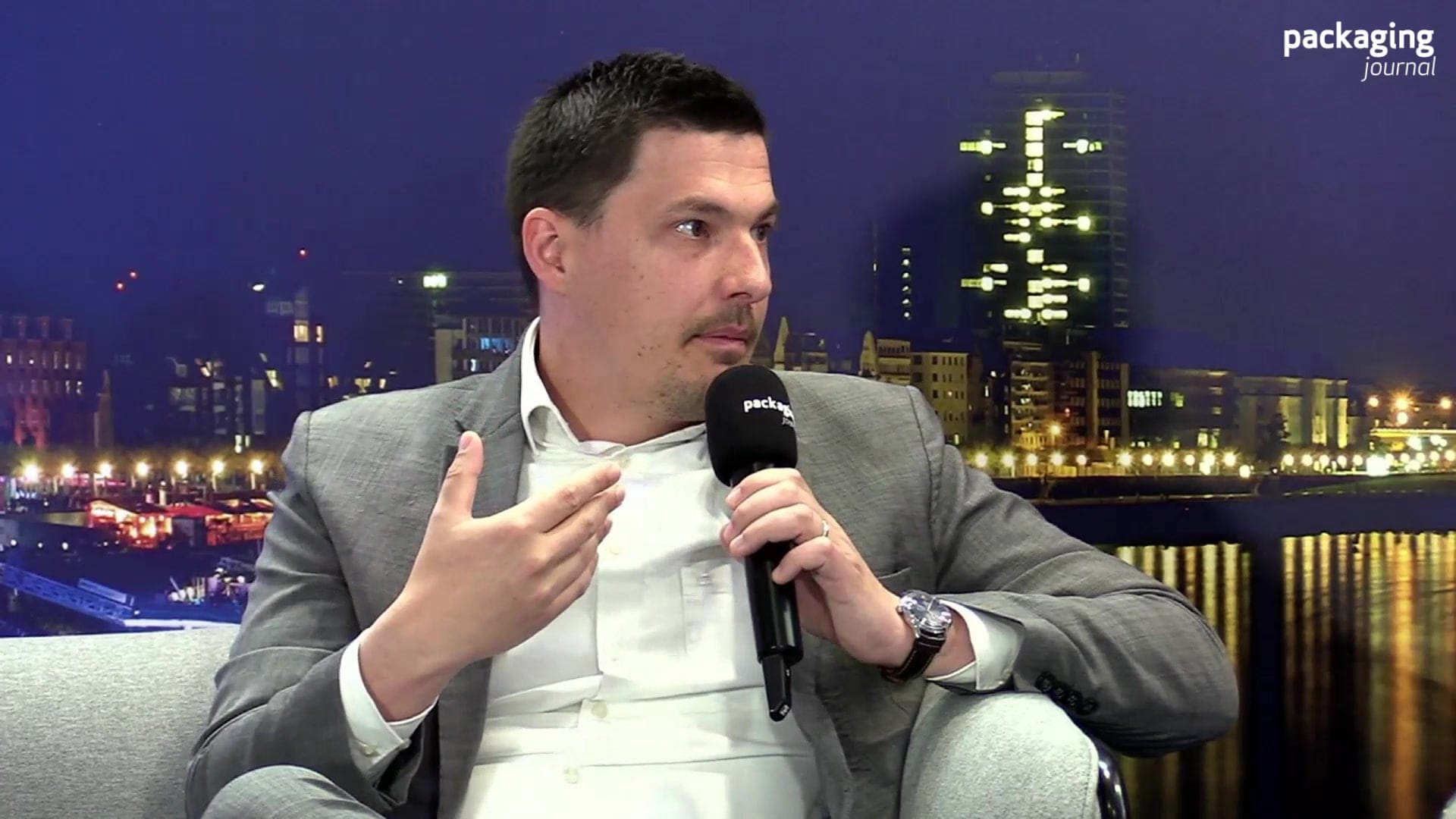
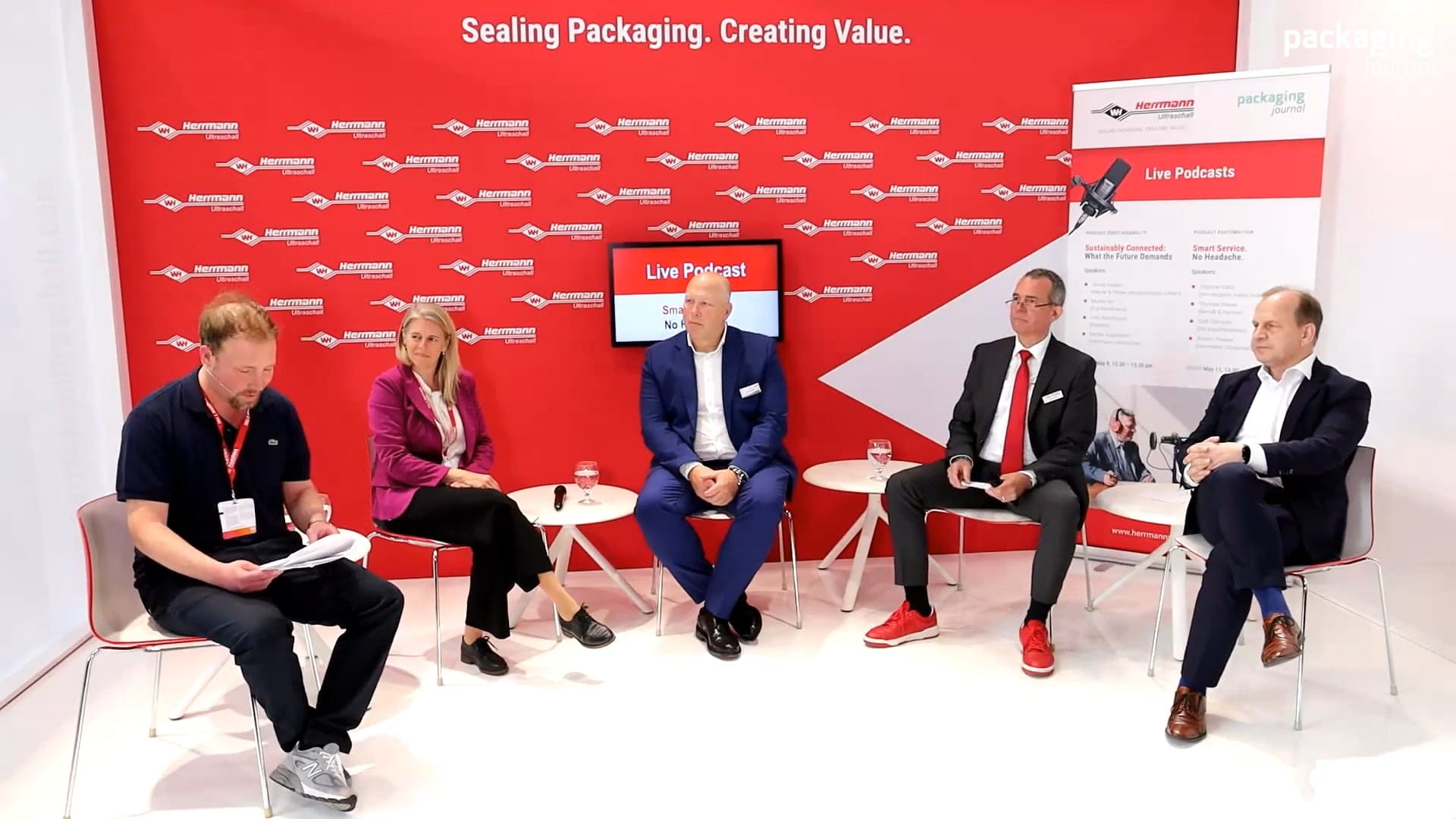
The packaging industry is facing a paradigm shift: sustainability is evolving from a premium feature to a given standard. Dr. Daniel Bornemann, Senior Partner at Simon-Kucher, will present current findings on changing consumer attitudes at interpack 2026.
Willingness to pay falls – relevance remains
The figures speak for themselves: whereas in 2021, 81 per cent of consumers were still willing to pay more for sustainable packaging, this figure fell to 54 per cent by 2025. The accepted surcharge is now a meagre 8 per cent. „It's more that consumers simply expect it. It's become normal,“ explains Bornemann, referring to the development.
However, this normalisation does not mean less relevance for the topic. „Dirty packaging will no longer be accepted,“ said the expert. Instead, sustainability has become a compliance issue, driven by legislation such as the PPWR. The prioritisation is noteworthy: 66 percent consider as little packaging as possible to be the most important sustainability feature – more important than material or recycled content. „Everyone knows it, you open the Amazon package, it's 80 percent air, or the Corn Flakes packaging.“
Cost pressures overshadow sustainability issues
However, other challenges are currently taking priority. „The industry is in a bit of a bind at the moment. Costs are going up, but it's not like it was three or four years ago, when supply chains were at a standstill and whoever could deliver was king,“ Bornemann analyses the current market situation. Volatility in raw materials and a lack of pricing power for increases are putting the sector under pressure.
Contrary to the general hype, Bornemann also does not see artificial intelligence as a game-changer for packaging itself. „Smart packaging remains a niche topic,“ he notes. AI plays a role more in sales and production – not on the packaging.
Continuity instead of revolution
The expert predicts less dramatic upheavals for the future, and rather a continuation of current trends. The PPWR will be „fully activated“ in 2030, meaning companies will have to prepare promptly – the window for strategic adjustments is therefore becoming increasingly narrow.
At the same time, Bornemann emphasises: „Packaging is always a system. Packaging must always make sense.“ The industry must balance sustainability demands with practical requirements such as hygiene – simplistic solutions are not enough; well-thought-out system decisions along the entire value chain are required.