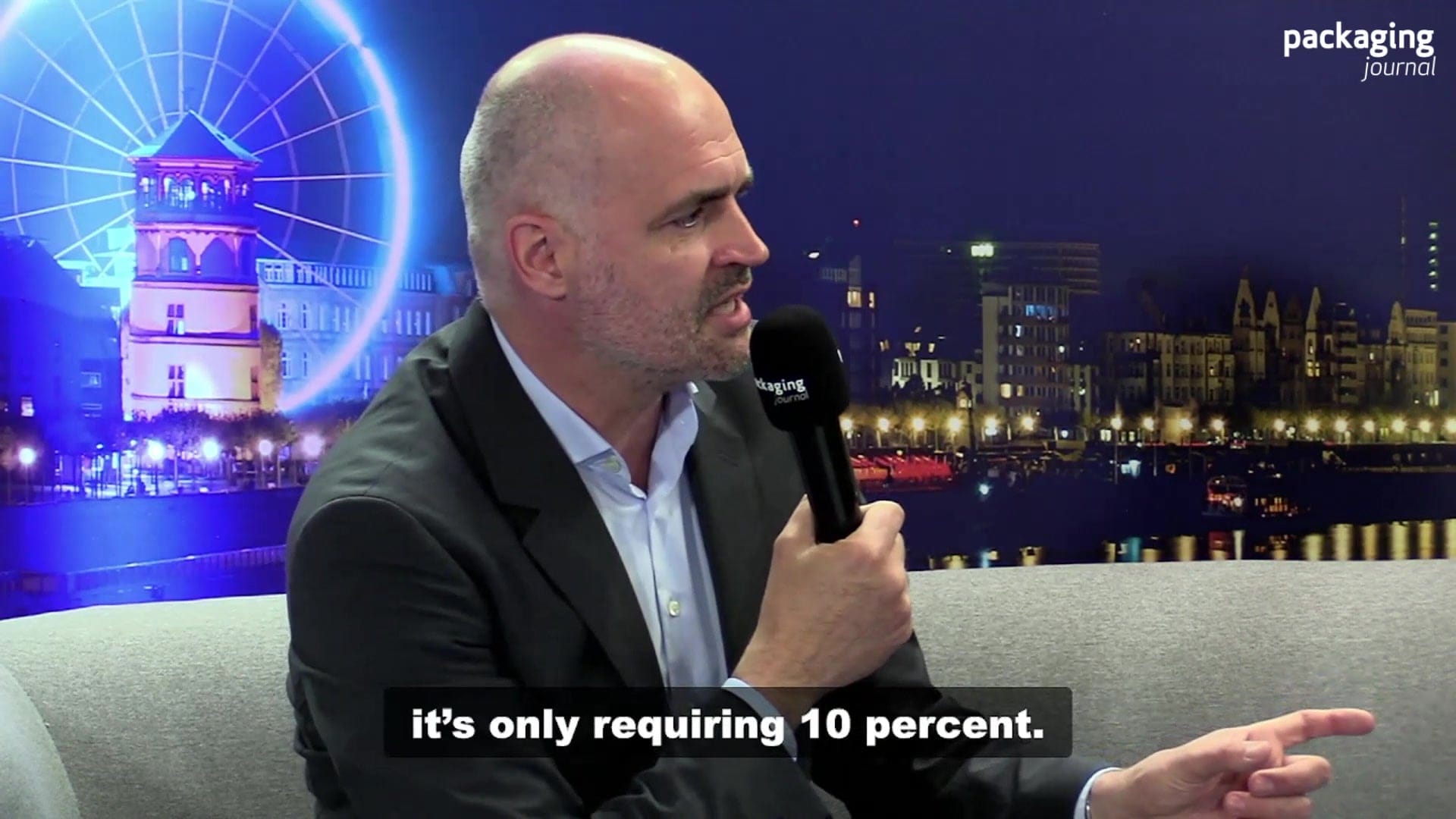
At interpack 2026, Craig Stobie, one of Domino’s 2D code experts, explains why connected packaging and 2D codes are scaling now across food, beverage and retail. The technology behind QR codes and GS1-powered codes is well established, but the applications are new – driven by the circular economy (labelless products, refill, recycling), the digital economy (consumer engagement, packaging as a marketing channel), retailer pull and emerging legislation.
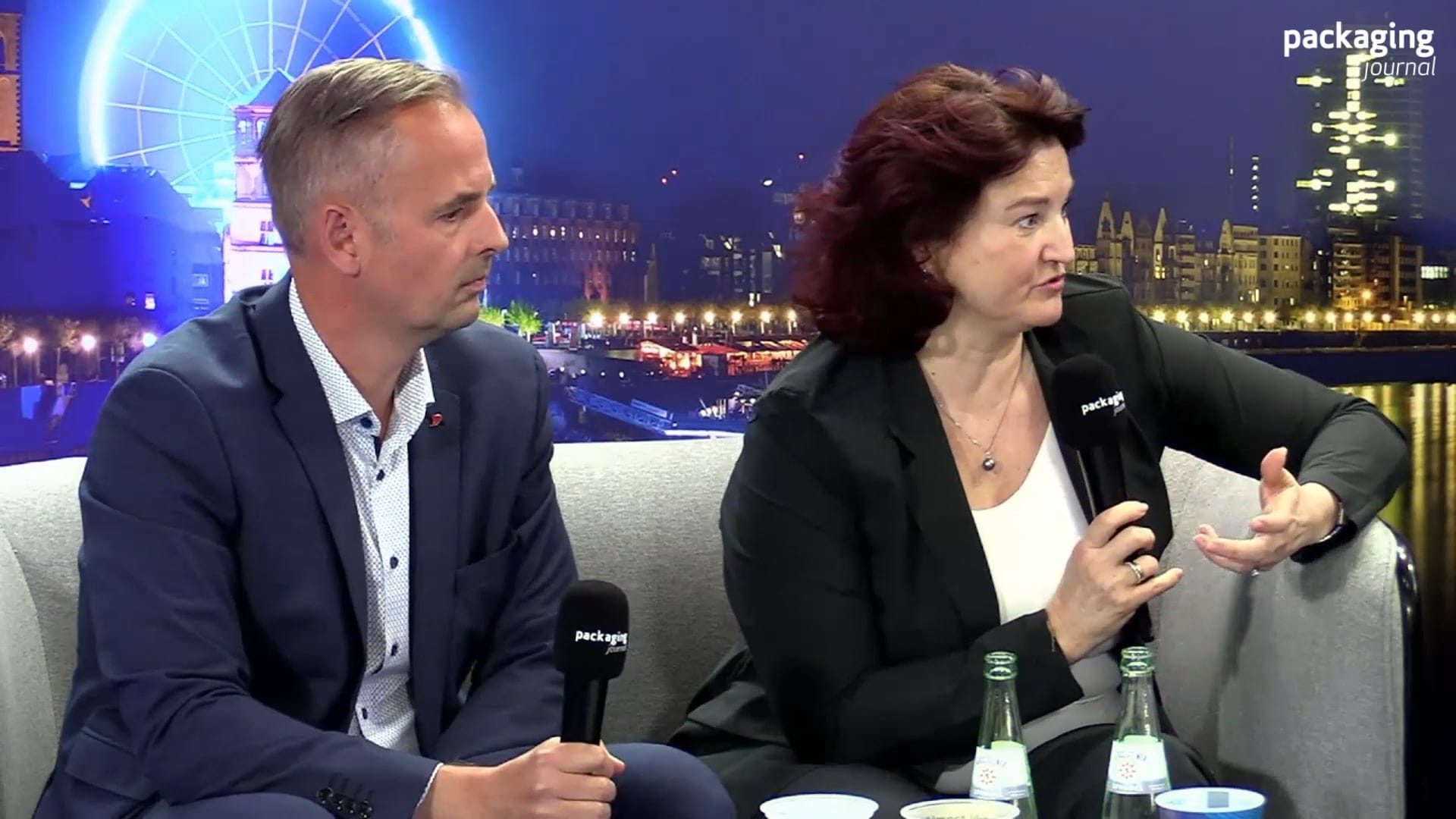
In conversation with Packaging Journal, Stobie outlines benefits across the entire value chain: supply-chain efficiency for manufacturers, dynamic pricing and over 40 percent food-waste reduction for retailers, ingredient and allergen information for consumers, and improved post-consumer recycling. His core message: don’t focus on the what or the how — start with the why. The data elements you need flow from the outcomes you want to unlock.
Stobie also highlights why early planning matters (it can take five to seven years for packaging changes to filter through a major manufacturer), why companies should pilot on their worst lines rather than their best, and why the real measure of barcode success isn’t ISO grades but whether it scans at the checkout. At Domino’s booth in Hall 8C54, visitors can see two deployment-ready solutions: a sleeving system for retail-ready QR codes and a closure coding system that prints and verifies up to 120,000 unique QR codes per hour — enabling mass serialisation down to batch-of-one.