Ellen MacArthur Foundation: Werner & Mertz leads the world in PCR use
The Ellen MacArthur Foundation's Global Progress Report emphasises the successes of the German medium-sized company Werner & Mertz with regard to its use of recycled materials.
12 September 2022
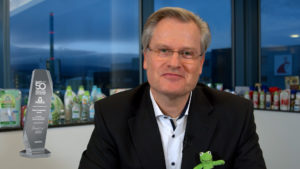
(Picture: Werner & Mertz)
The Ellen MacArthur Foundation's Global Progress Report emphasises the successes of the German medium-sized company Werner & Mertz with regard to its use of recycled materials.
The current report of the Ellen MacArthur Foundation clearly shows that Werner & Mertz has not only set very high goals for the use of recycled materials, but is also a world leader in their implementation.
By the end of 2025, all packaging will be made of 100 per cent post-consumer recyclate and 100 per cent recyclable, so that no new plastic will have to be used after that date - Werner & Mertz already made this claim about its packaging in 2017 at the Our Oceans Conference in Malta announced for the first time.
One year later, the Mainz-based cleaning products company officially committed to this as part of the Global Commitment of the New Plastics Economy. The more than 500 signatories to date have all pledged their support, to work together in the interests of a functioning circular economy. The implementation of the targets is documented annually in a progress report.
Display
Already over 540 million plastic bottles made from 100 per cent PCR
While many of the signatory companies are only aiming to convert their plastic packaging to post-consumer recyclate (PCR) in some of their products or brands, the Werner & Mertz one of the few that the complete conversion of all packaging to 100 per cent recyclate has set itself the goal. And the medium-sized company from Mainz shows that it is up to this goal: 53.9 per cent of all plastic packaging across the entire portfolio already consists of 100 per cent used plastic - a world record in direct comparison with all signatories.
(Picture: Werner & Mertz)
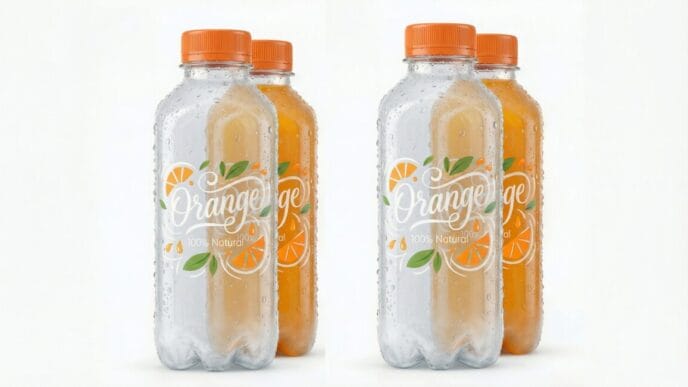
Werner & Mertz has converted all of its transparent PET bottles under the Frosch brand to 100 per cent recycled plastic. Across the entire brand range the rPET rate is already at 99.2 per cent - In addition to Frosch, these include the floor care brand Emsal, the shoe care brand Erdal and the brands of the company's Professional division.
The company not only uses post-consumer material from the European beverage bottle collection (bottle-to-bottle), but since 2014 - as a major exception in the market - has also been using an ever-increasing proportion of Recycled material from the Yellow Bag source (now 50 %). Well over 540 million of these bottles have now been placed on the market.
High-quality use of recyclates
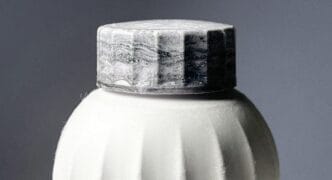
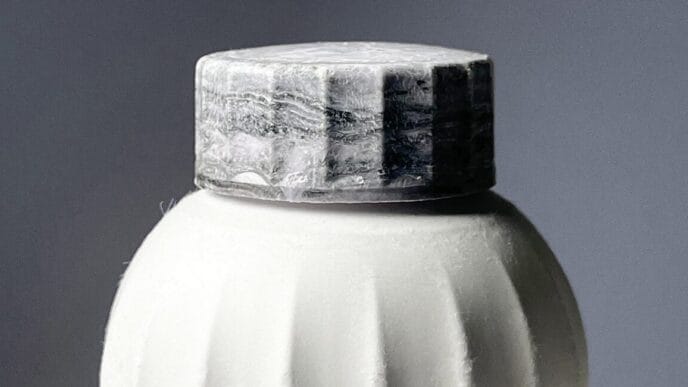
Now that PET packaging across all brands has been almost completely converted to 100 per cent recycled plastic, the company now wants to above all, continue to drive forward the conversion of PP closures. Since this year, the company has dispensed with the iconic green closures of its Frosch brand as a distinguishing feature and has instead switched to transparent colourless closures in the interests of optimised recyclability.
(Picture: Werner & Mertz)
„The recyclability of packaging only makes sense if recyclates are also used in high quality. The use of recyclates in packaging has not increased enough in recent years. This is also clearly shown by the data in the current progress report. Unfortunately, fresh crude oil is still cheaper than post-consumer recyclate, partly due to tax exemptions, which is why many companies continue to use virgin plastic in their packaging. Voluntary commitments by a small number of companies are not enough to achieve climate protection targets in the long term. This is a political challenge.“ Reinhard Schneider, owner of Werner & Mertz, clearly.