To prevent metal components from rusting after production, they usually need to be preserved. Wetro-CorroTec, a special foam developed jointly by Wetropa and Intercept Technology® effectively protects metal components against rust for several years - without the need for preservatives.
Preservation usually means that the components are oiled before packaging, storage or despatch and must be de-oiled and cleaned again before further processing. This is usually a very time-consuming and cost-intensive process.
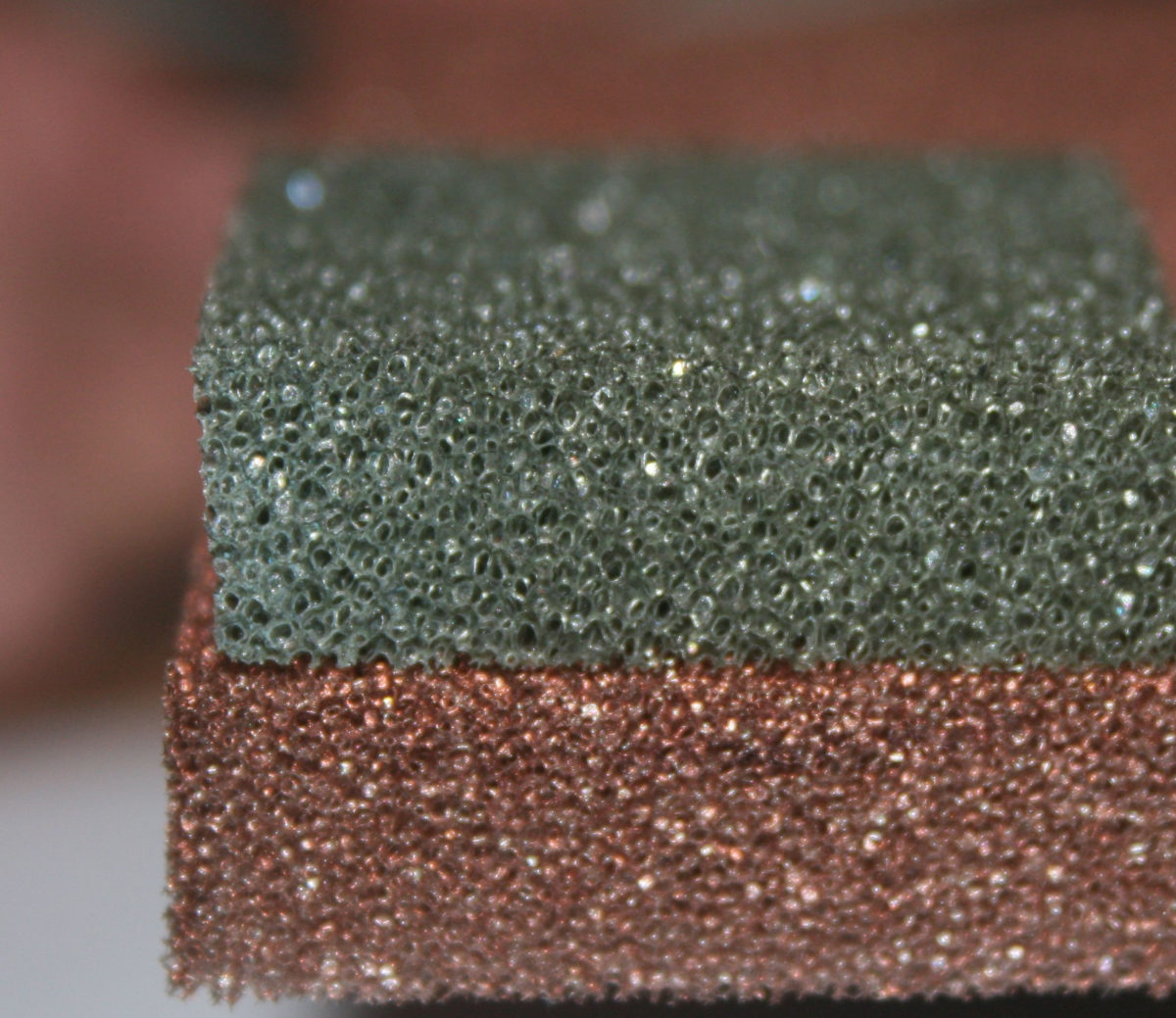
This simple and innovative solution, which utilises the special foam Wetro-CorroTec, does not require any oils, chemicals or other coatings. This is because the packaging material itself binds the corrosion-causing elements present in the air. The special PU foam is designed to provide protection for several years. As soon as the protective effect is used up, this is indicated by the discolouration of the foam.

This opens up a wide range of applications for the PU foam, which is also available as an electrically conductive foam. It can be used to protect metal and electronic spare parts, tools and electronic components, as well as optical devices or film and photographic equipment. Regardless of whether they are to be shipped or stored for longer periods.
The foam can also be easily integrated into existing packaging solutions and can be combined with standard foam, for example in cases, boxes or suitcases. However, the new development is also ideal for coastal production sites that have to contend with high salt and moisture content in the air or for overseas transport.
Material binds corrosion-causing elements
The foam works in a similar way to a magnet: The copper particles contained in the material react first to the corrosion-causing elements from the atmosphere, actively bind them and neutralise the harmful gases in the immediate vicinity of the product. The absorption of corrosive gases leads to discolouration of the foam. The typical copper colour is lost. If the foam is discoloured throughout its entire volume, it is used up and must be replaced.
Short interruption times, such as customs opening the packaging, are irrelevant as long as the packaging is resealed afterwards. The components packaged in this way remain corrosion-free for years and can be processed immediately without the need for time-consuming cleaning processes.