Cake, colour coding or signposts: the right model for simplified nutritional labelling for food has been the subject of debate in Germany for months. EDEKA, the first full-range retailer, and Netto Marken-Discount, the first discounter, are now offering customers the chance to see for themselves and test the suitability of three of the most discussed models: the Nutri-Score, the model of the Max Rubner Institute (MRI) and that of the German Food Association (formerly BLL).
From the end of August 2019, EDEKA and Netto Marken-Discount Selected own-brand items from different product groups on the shelves, which are labelled on the front according to one of these three systems. Do these influence the actual purchasing behaviour of customers? This question is at the centre of the three-month tests, whose aim is to promote the development of consumer-oriented solutions for greater transparency and guidance in food selection.
The practice text
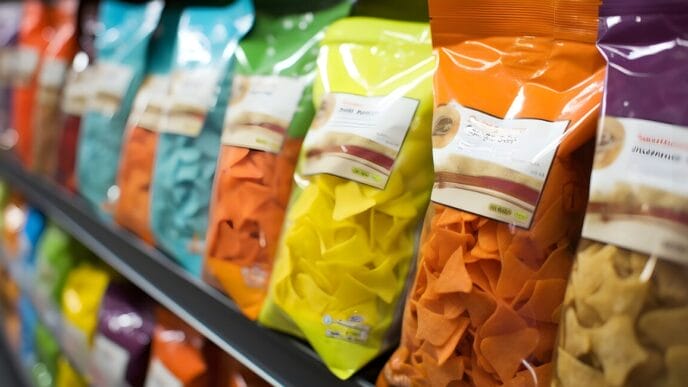
16 own-brand products in each of the EDEKA and Netto Marken-Discount stores are labelled with a simplified nutrition labelling vcan be seen. The following were selected in particular Popular and best-selling articles from various product groups - including ready meals and snacks.

The Nutri-Score is used to label products such as paprika crisps, lasagne, tuna pizza, chicken fricassee and pasta bake. The model from MRI and the German Food Association (formerly BLL) can be found on cooked ham, ribbon noodles, Tilsiter cheese, buttered toast, multigrain bread rolls, chocolate rolls and chocolates.
By observing purchasing behaviour, a possible change in this and an analysis of the sales figures for all items, the EDEKA Group hopes to gain valuable impetus to understand customer expectations even better and take them into account in the future development of consumer-oriented solutions.
[infotext icon]According to its own statements, the EDEKA Group is comprehensively committed to a balanced diet for consumers in Germany - among other things by consistently reducing the sugar, salt and fat content of its own brands. The basis for this is a sound consumer educationg. A wide range of offers - from educational initiatives in daycare centres and schools to nutritional advisors in stores - are designed to help consumers eat a balanced diet. The purchasing decision plays an important role here: only a Transparent information allows the informed consumer to really make the more balanced choice.
EDEKA and Netto Marken-Discount therefore generally welcome the introduction of simplified nutritional labelling on the front of food packaging. However, in order to realistically assess the potential benefits and acceptance of such a system, it is necessary to Authentic experiences from the consumer's world be included. EDEKA and Netto are now the first retail companies to take the initiative and start a practical test under real conditions[/infotext].
Source: obs/EDEKA ZENTRALE AG & Co. KG