Sustainability is standard for many consumers today - especially when it comes to packaging. Consumers expect environmentally friendly solutions, but are not prepared to compromise on usability and hygiene. These are the findings of the latest „Sustainable Product Packaging“ study by strategy consultants Simon-Kucher.
Sustainable packaging solutions are becoming increasingly important to consumers - especially when making conscious purchasing decisions. Above all, the reduction of packaging waste is a key criterion for the majority: 66 per cent consider minimal packaging to be the most important sustainability feature - a significant increase compared to the previous year. This is shown by the latest „Sustainable Product Packaging“ study by global strategy consultancy Simon-Kucher.
Recycled, recyclable and biodegradable materials are also favoured by over 60 percent. CO₂ balances, on the other hand, remain of secondary importance for many.

„Consumers want visible, simple solutions - waste avoidance is the key theme here.“
Dr Daniel Bornemann, Senior Partner at Simon-Kucher
Sustainability creates trust - if it is comprehensible
Sustainable packaging strengthens a brand's image: 63 per cent of respondents have a more positive perception of brands with sustainable packaging solutions.
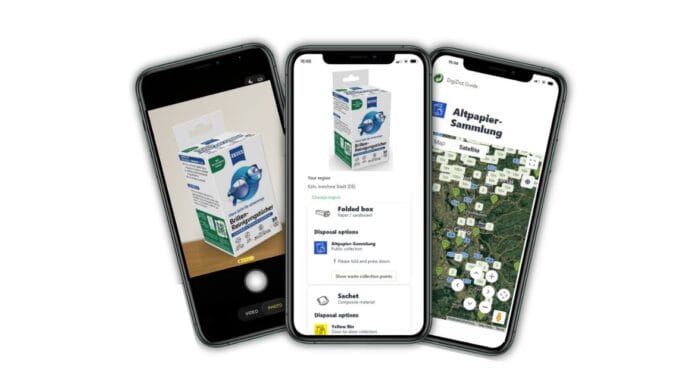
„Particularly in product categories with a close brand experience - such as cosmetics or to-go food - companies can score points if they act in a visibly sustainable way. However, transparency is key. Consumers expect comprehensible information on materials and environmental impact - ideally through labels, QR codes or recognised certifications.“
Mark-Daniel Rentschler, Senior Director at Simon-Kucher
Willingness to pay stagnates - surcharge differentiates
54 per cent of respondents are currently willing to pay more for sustainable packaging - a decrease compared to previous years (2021: 81%, 2022: 72 %, 2023: 62 %, 2024: 64 %). The accepted surcharge today is an average of eight per cent. Younger target groups, urban households and higher-income groups in particular show an above-average willingness to pay.
„Sustainability is expected of brands - but it is only paid for selectively. This requires differentiated pricing and product range strategies - especially for target groups that are willing to contribute financially to sustainable offerings.“
Stephanie Sparber, Senior Director at Simon-Kucher.
Form follows function: consumers show limited tolerance
62 per cent of respondents accept visual changes in favour of sustainable packaging. However, as soon as the function is compromised - for example in terms of shelf life or hygiene - the willingness to compromise drops significantly. „Packaging must therefore be both ecologically and functionally convincing“, says Bornemann.
Regulation meets with approval - and increases the pressure to act
74 per cent of respondents welcome legal requirements to reduce unnecessary packaging, as stipulated by the EU Packaging Regulation since February 2025. For companies, this means that the time to wait and see is long gone. „Investing in sustainable, functional and differentiating packaging solutions now secures brand advantages - ecologically and economically - and reduces the risk of being left behind very soon,“ summarises Bornemann.
The representative „Sustainable Product Packaging“ study was conducted for the fifth time in May 2025 by Simon-Kucher in collaboration with the market research institute YouGov. 2,031 consumers in Germany were asked about their attitudes, expectations and willingness to pay for sustainable packaging.
Source: Simon-Kucher