In the packaging industry, choosing the right ink for Continuous Inkjet (CIJ) printing systems is a crucial factor. While the focus is often placed on the printers themselves, their speed, and the overall cost of ownership, the importance of the ink is frequently underestimated. It is not merely a consumable, but a central process factor that determines whether codes are permanently legible, adhere securely, and dry quickly.
The choice of the right ink is important for many industries, whether it's the food and beverage industry, the cosmetics sector, or the extrusion industry. Different materials, high production speeds, and demanding environments such as condensation, dust, and heat place high requirements on ink selection. Furthermore, the demands for traceability and process reliability are increasing, making ink selection a real lever for success.
A clean CIJ print is the result of an optimal balance of four essential factors: the printed object, the substrate, the production speed, and specific requirements such as abrasion resistance or drying time. An ink that is not ideally matched can lead to problems like set-off, smudging, or poor adhesion.

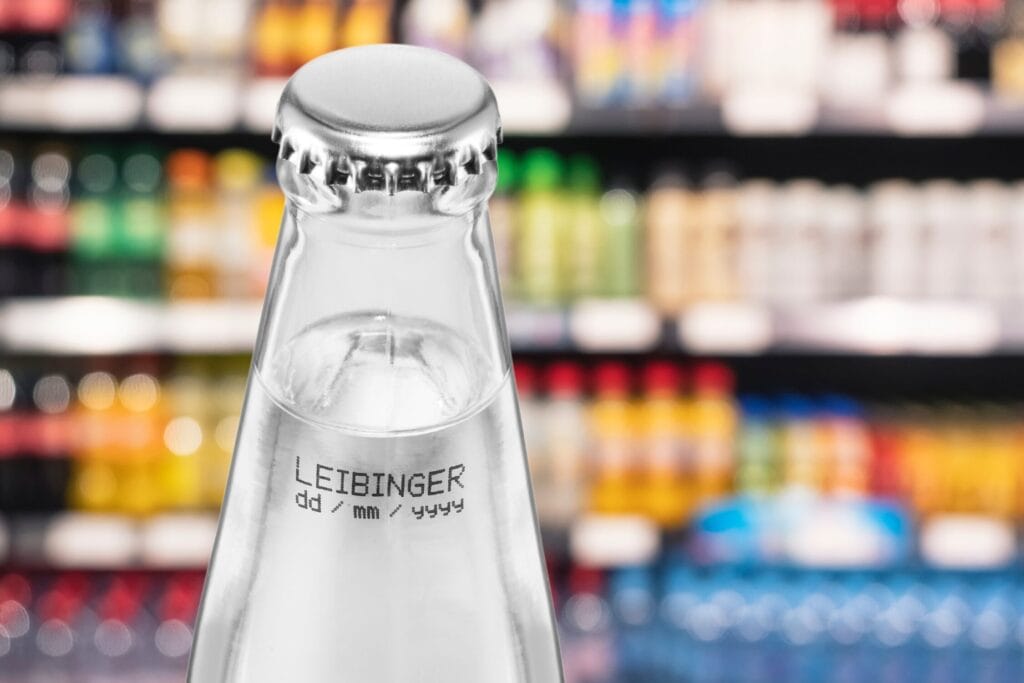
More than just consumables
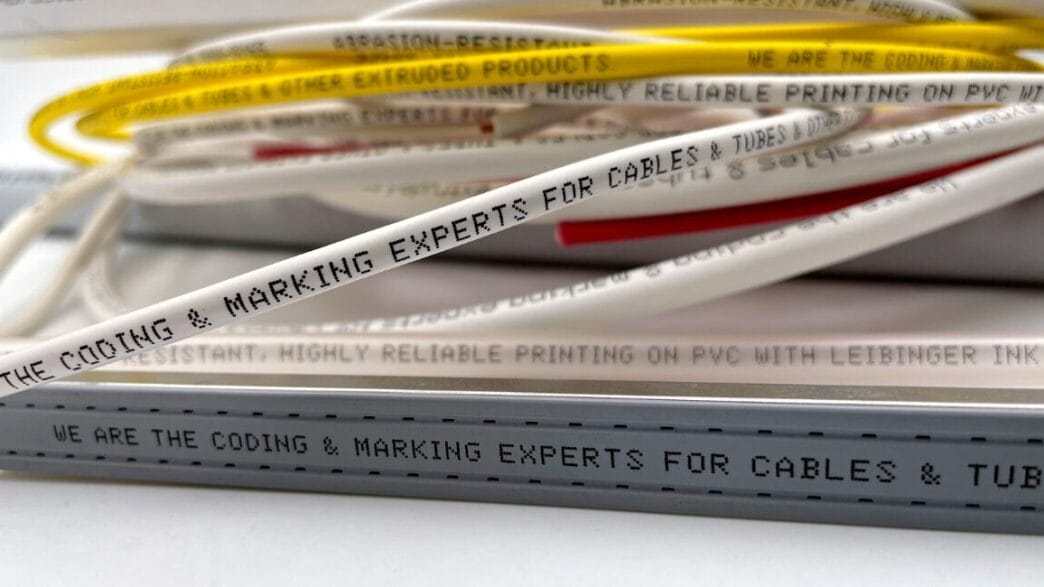
A practical example shows that marking rigid PVC is relatively straightforward, while flexible PVC applications (e.g. cable sheathing) are more demanding due to plasticisers. This demonstrates that the material name alone is not sufficient; the exact composition of the material is crucial.
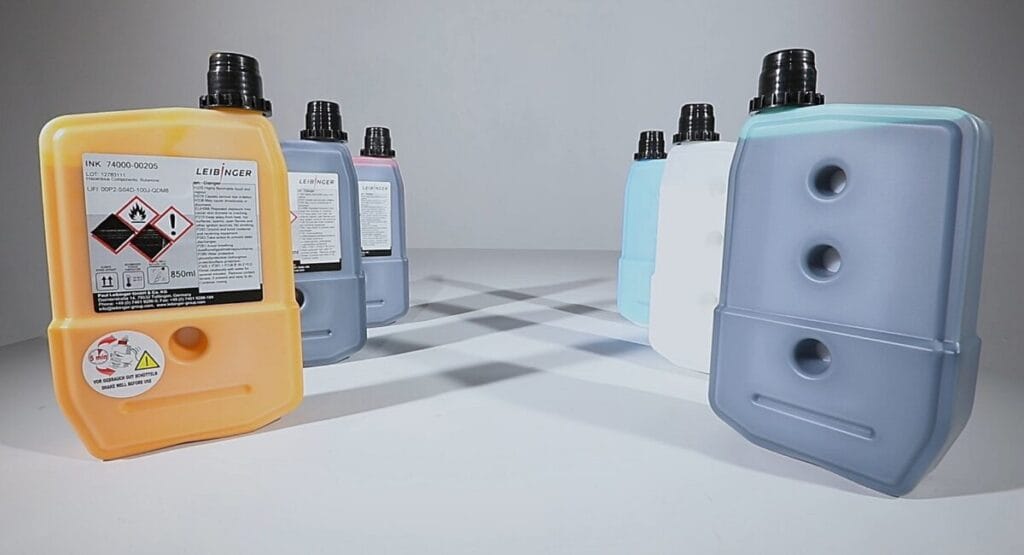
In CIJ practice, it's not about „good ink“ but about the right combination of properties. At Leibinger, the portfolio comprises around 70 inks, which are developed, produced and tested to offer the best possible combination of ink and marking technology for the specific application. Typical properties that make a difference in production environments include fast drying, high temperature resistance, light and UV resistance, and condensate resistance.
Why printer and ink expertise go hand-in-hand
A crucial advantage arises when the printers and ink come from a single source. Leibinger develops and produces both CIJ printers and the corresponding inks itself, allowing for optimal design and optimisation of the marking solution as a complete system. This is relevant, as CIJ ink must perform not only on the material but also within the system under real-world conditions.
A technical aspect that is often underestimated is the risk of ink drying out in the print head. Leibinger has solved this mechanism with an automatic nozzle sealing technology that seals the system airtight during printing breaks and keeps the ink circulating continuously. This avoids the so-called „spitting effect“, which leads to consistently high print quality.
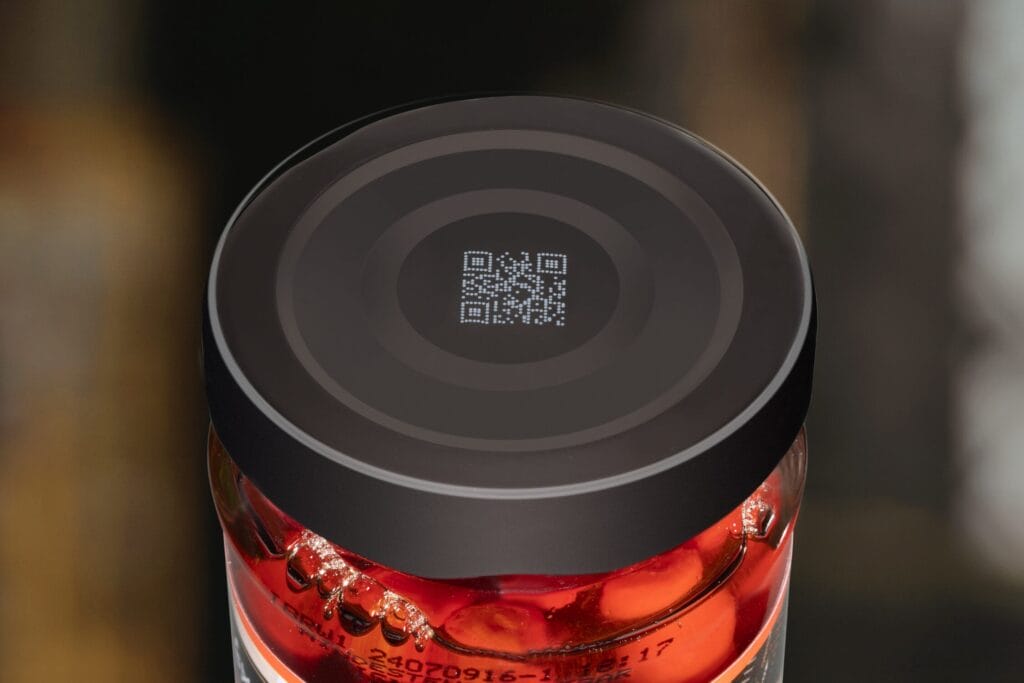
Leibinger also offers a solution for the use of highly pigmented inks, which are used when contrast on dark substrates is required. The pigments place higher demands on process control: sedimentation, deposits, and fluctuating viscosity can affect print quality and stability. Leibinger addresses these requirements systemically: smart ink management with an automated agitator in the tank keeps pigments moving, reduces sedimentation and associated deposits, and stabilises viscosity.
The way to the right ink
For decision-makers in production and engineering, it is important that the line runs stably and codes are reproducible. With modern materials and additives, the „right“ ink cannot be determined by gut feeling. Leibinger therefore offers to print and test original samples to create a sound basis for decision-making for a stable CIJ complete solution.
SourceLeibinger : Leibinger