Hazardous chemical substances in the cargo must be recovered as quickly as possible to prevent them from entering the seawater. Specially trained experts must be able to identify these goods beyond doubt in order to assess the risk. In order to rule out recourse claims and claims for damages in the event of an accident, labelling certification in accordance with Section III is essential.
The sea route is the best and cheapest solution for transporting many goods. Many goods cannot reach some countries by other transport routes. Compared to transport by plane, shipping containers is much more environmentally friendly. For these reasons, chemicals, pesticides and fuels are shipped across the world's oceans. It is problematic if a freighter capsizes and these goods end up in the sea.
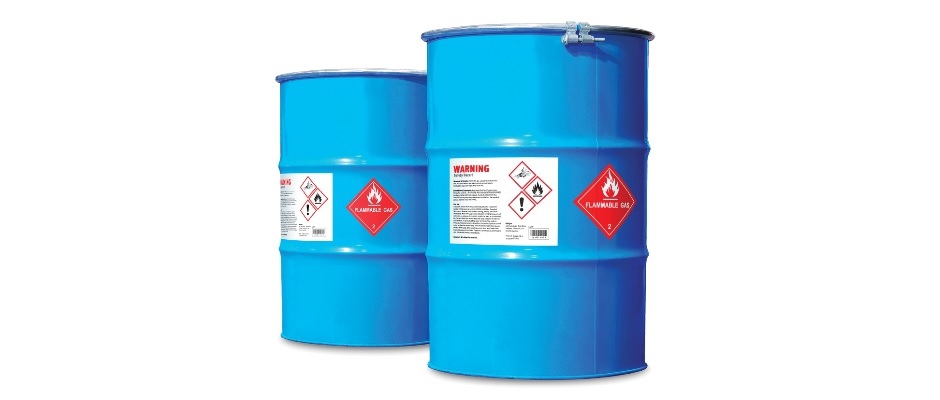
Here, strict Transport regulations health and the environment. These apply internationally and provide clear standards and requirements for Labels and Labelling materials before. Direct labelling with hazardous goods labels on the packaging provides information on the substances contained and their hazard potential.

In most cases, buyers of hazardous goods labels rely on their label manufacturer with regard to the regulations and standards that must be observed. The British Standard 5609 is internationally recognised and regulates the labelling of dangerous goods that are transported by sea. Seawater-resistant labels must be produced in accordance with these requirements. Otherwise, there is a risk that drums that have ended up in the sea or somewhere on the beach will no longer have labels because they have become detached after weeks of contact with seawater. Labels can also become illegible due to heavy use and aggressive seawater if certain quality standards are not met during production.
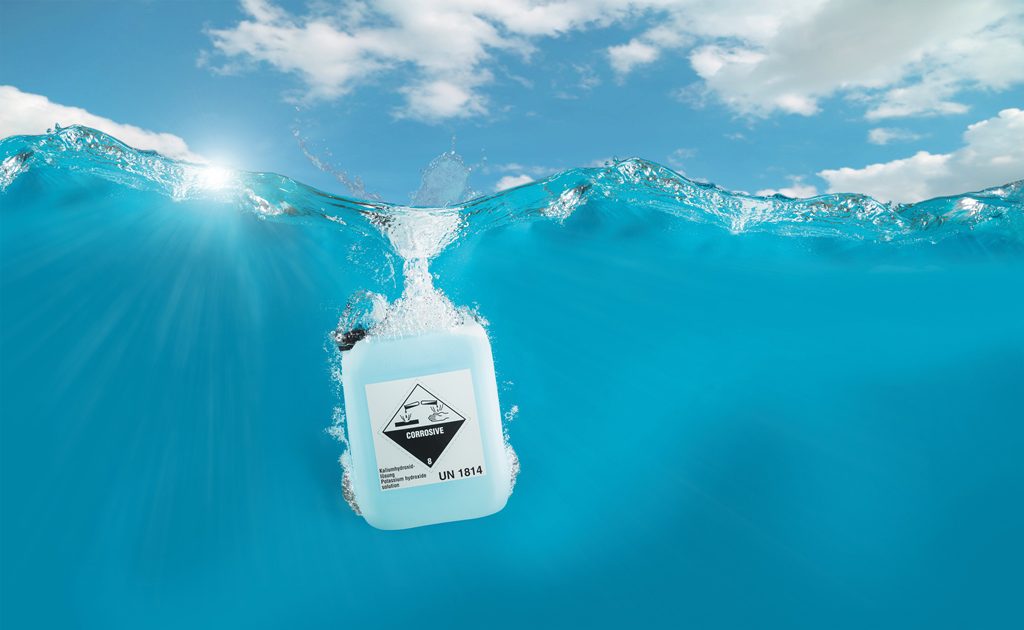
Certification according to BS5609 II and BS5609 III
Section II of British Standard 5609 deals with the Upper material/adhesive combination. The label material is stored in seawater for three months to test the function of the label under these conditions. This says nothing about the later legibility of the label. „Only a certificate that certifies the durability in accordance with the requirements of BS5609, Section III, includes the subsequent legibility of the print over a defined period of time,“ explains Raimund Schulz, customer advisor at label manufacturer Robos. Suitable thermal transfer ribbons also fulfil these criteria and enable labelling with variable data on site.
Qualified advice from label manufacturers such as Robos is an important prerequisite for ensuring secure adhesion and legibility in seawater and reliably fulfilling regulations.