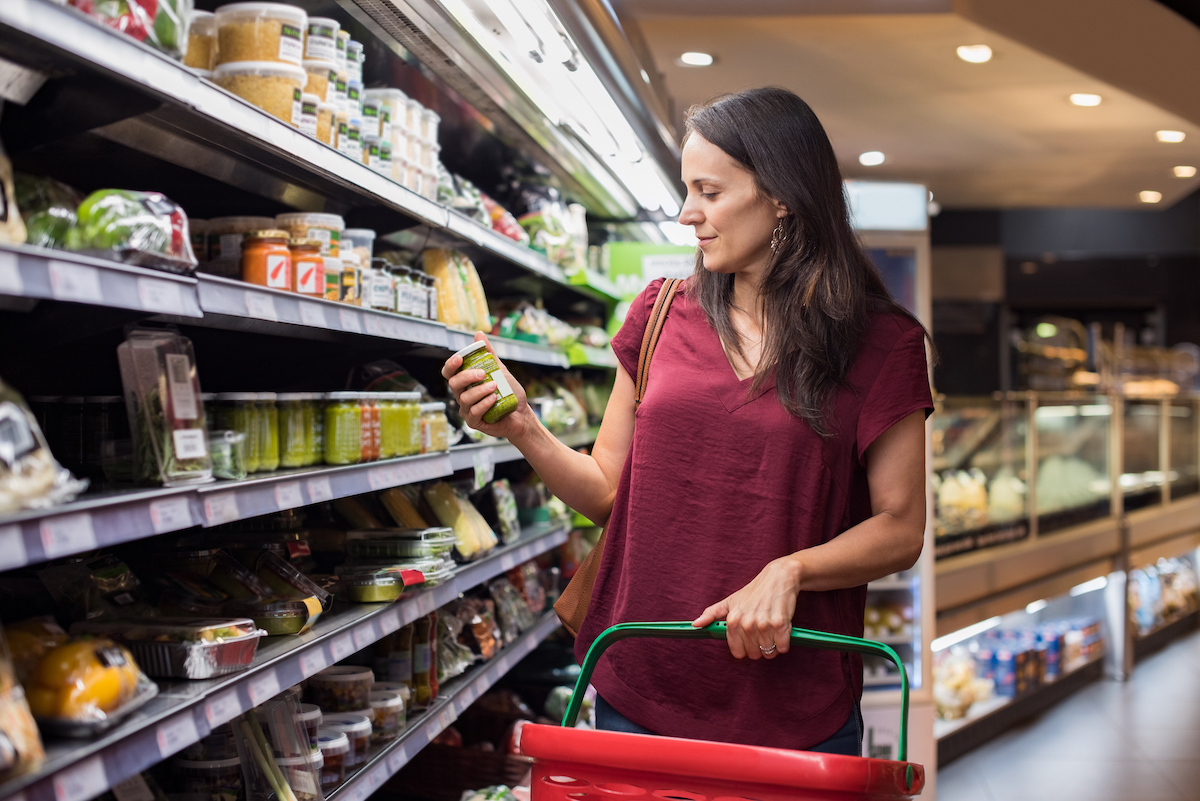
According to an IÖW study, a large majority of consumers would like more information about packaging. This would enable them to make better purchasing decisions.
The amount of plastic packaging used for shopping has doubled in two decades. However, consumers do not feel well informed when it comes to packaging. A study by the Institute for Ecological Economy Research (IÖW) found that a large majority of consumers do not feel well informed when shopping for plastic packaging. More transparency about packaging waste wishes.
„The great response to our non-representative survey shows that the issue of packaging waste is a serious concern for many people. 80 per cent of respondents say that they refrain from buying products that use a lot of packaging. However, in order to make good purchasing decisions, many would like more information from companies. For example about Type, quantity and recyclability of the packaging produced. 95 per cent think that politicians should create more positive incentives to encourage companies to reduce packaging volumes. And almost as many are in favour of sanctions for companies with particularly high packaging volumes.“ Dr Frieder Rubik, project manager and expert for sustainable production and consumption at the IÖW
Over 1,000 people took part in a survey at the beginning of 2020. Online survey of the Innoredux research project involved. With funding from the Federal Ministry of Education and Research (BMBF), the project is investigating, how innovative business models in retail can reduce plastic waste along the value chain.

IÖW study: less packaging, more regionality
The survey focussed on the following questions: To what extent do consumers accept not using packaging? And What potential do unpackaged products have? 99 per cent of respondents were of the opinion that less packaging material would be sufficient for many products. Unpackaged solutions received similarly high approval ratings in the IÖW study. In addition, 97 per cent were in favour of departments with unpackaged food in shops.
„Respondents see additional advantages to shopping in an unpackaged shop if regional and/or organic food is on offer, as well as the option to buy unpackaged quantities to suit their needs. However, going to an unpackaged shop is still often inhibited by the distance, limited product selection and price,“ explains IÖW researcher Sabrina Schmidt, who is researching Innoredux business models in the project.
[infotext icon]
The project Innoredux runs from 2019 to 2022. It is funded by the Federal Ministry of Education and Research (BMBF) within the research focus area Plastic in the environment - sources, sinks, solutions. In this programme, 20 joint projects with around 100 partners from science, industry, associations, local authorities and practice are investigating fundamental questions on the production, use and disposal of plastics. The research focus is part of the BMBF framework programme Research for sustainable developmentg (FONA).[/infotext]
Source: IÖW