Why does one product end up in the shopping trolley while the competitor product remains on the shelf? How does the respective purchasing decision influence packaging development? We asked brand psychologist Till Bösenberg.
13 December 2020
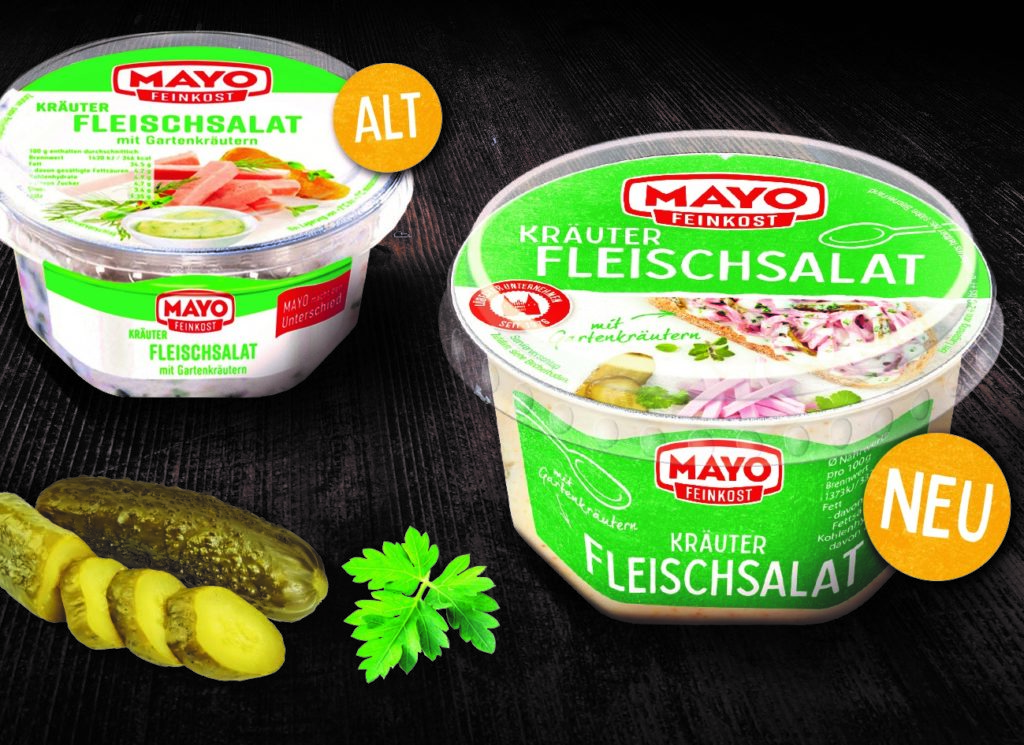
The key to the success of packaging that works in the market is that the consumer understands the product at first glance. (Image: brandship)
Customers decide what to buy in seconds. But why exactly does one product end up in the shopping trolley while the competitor product remains on the shelf? And how does the respective purchase decision influence packaging development? We asked Hamburg-based brand psychologist Till Bösenberg.
The first priority is always relevance, says Bösenberg, who founded the Hamburg agency brandship in 2001, where strategists, creatives and analysts strive to successfully position a product. He speaks from successful experience. Because his agency has already developed a psychological positioning for many large FMCG brands and always keep an eye on relevance.
(Image: brandship)
„And not the relevance of the packaging, but of the product or the product features. Firstly, the brand or product must have advantages over its competitors. Only if this is guaranteed can we specifically emphasise the special features in the packaging.“ Till Bösenberg, brand psychologist
Scientists estimate that up to 95 percent of behaviour is implicitly controlled and therefore also purchasing decisions. As this purchasing decision is not usually a well-considered buying process, the customer must be triggered via visual codes in the supermarket, for example. According to Bösenberg, this takes place on an emotional level. The visual language or the typography are decisive in triggering a positive feeling.
Influences on the mainstream market
But social trends are also changing. The eye is not only drawn to products on the shelf that look familiar, but also to modern and fresh designs that break away from the conformity of the familiar. It is precisely these trends that brand psychologist Till Bösenberg has to keep an eye on. „Viewing habits change with social trends. Consumer touchpoints (i.e. magazines, cafés, furniture shops, etc.) have always characterised certain trends. Just like design trends from England, Holland or Scandinavia. Start-ups and smaller niche brands also always manage to exert trend-setting influences on the mainstream market.“
In the process, so-called micro trends develop into macro trends. Identifying the right ones from the outset and utilising them specifically for your own brand is the fine art of good brand management.
„The important thing with all trends is that strong brands should never close themselves off to trends, but at the same time must maintain their own profile. For example, certain retro elements can certainly find their way into packaging design (because they are modern again today and symbolise a return to values and quality). However, these must always be used in such a way that they fit the respective brand. Just being ‚pretty and trendy‘ doesn't work, that makes a brand arbitrary.“ Till Bösenberg, Brand psychologist
The key to success is rather the greatest possible individuality. Always taking into account the category-specific codes in the respective segment. If everything runs smoothly, customers' attention is drawn to a new product even before the point of sale.
Listening to the voice of the consumer
Keyword: social media. Of course, this can be both a blessing and a curse for a brand. But here too, strategist and psychologist Bösenberg is focussing on the positive aspects of the digital market. This is because feedback on a product on these channels is also an important tool for packaging. If customers complain on social media about the resealability or legibility of the packaging, for example, this is direct, unfiltered and also free customer feedback, which might previously have required market research. Even if potential buyers are concerned about the impact of packaging on the environment, Till Bösenberg believes that this feedback needs to be listened to and categorised.
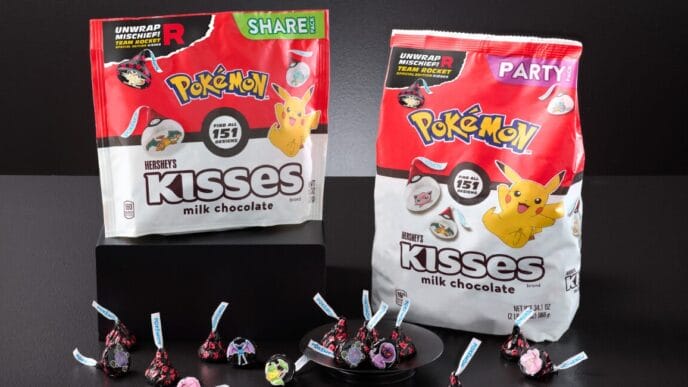
(Image: brandship)
„It's not just since ‚Fridays for Future‘ that the topic of sustainability has been on consumers' minds. And it will remain one of the most important social issues in the coming decades. European legislation also means that manufacturers need to rethink their approach. This applies to products (transparency in production, animal welfare, regionality, etc.) and packaging (sustainable materials). Retailers and the industry are therefore called upon to focus their thinking on sustainable solutions in this area.“
Authentic brands
Even if it is not yet happening with the necessary intensity everywhere, many examples in the food retail sector show that people are already thinking differently. Farm labelling, alternative packaging materials and organic production are omnipresent when you look at the shelves. In some cases, however, promises are still being made because of the trend in this area, but they are not always being kept at the moment. Brand psychologist Till Bösenberg emphasises: „The packaging must not promise anything that the contents do not fulfil. Otherwise the brand loses its authenticity.“
And authenticity is the be-all and end-all. „The most relevant brands are those that have their own history (traditional brands, brands from a specific, relevant region, etc.) or whose products fulfil certain needs of the target groups in a comprehensible way (example: veggie burgers and the story behind them, e.g. animal welfare, healthy eating, etc.). And Brands should always tell their story when it emphasises their strengths. A dairy from the Allgäu region can tell precisely this story because the region is a differentiating factor in the segment. This makes a brand special, relevant and, in case of doubt, offers a unique selling point among the competition.“
Which brings us to storytelling, certainly the most pronounced trend in packaging design. But Good storytelling only works if it also tells a credible brand story. „However, this must always be based on facts and not on promises that (cannot) be kept.“ As already mentioned, the first thing that matters is relevance.
[infotext icon]„Behind every good design and every successful positioning is a consistent psychological positioning!“ With this claim in mind, the Hamburg agency founded in 2001 brandship now has around 24 strategists, creatives and brand psychology analysts. And with rapidly growing success. More and more major FMCG brands are relying on the work of the brandship team. The agency's expertise covers all areas from brand psychology and packaging design to brand activation[/infotext].