As part of the Pack4Sense project funded by the European Institute of Innovation and Technology (EIT), Syntegon has developed paper-based trays and cups for sensitive foods.
Together with partners from industry and research, such as the Fraunhofer Institute for Process Engineering and Packaging in Dresden, the Colruyt Group, the Strauss Group and the University of Reading, Syntegon is implementing the EIT Food project. "Pack4Sense" (Paper packaging for Sensitive Foods) for the Development of a sustainable packaging concept um.
Paper and mono material can be easily separated
The aim of the project is to package even sensitive products with high barrier requirements in more sustainable materials. Syntegon uses for this a special paper that is particularly stretchy and tear-resistant thanks to long cellulose fibres is. This allows sealed trays and cups with a depth of up to 30 millimetres to be produced.

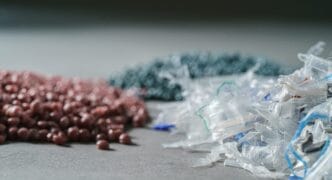
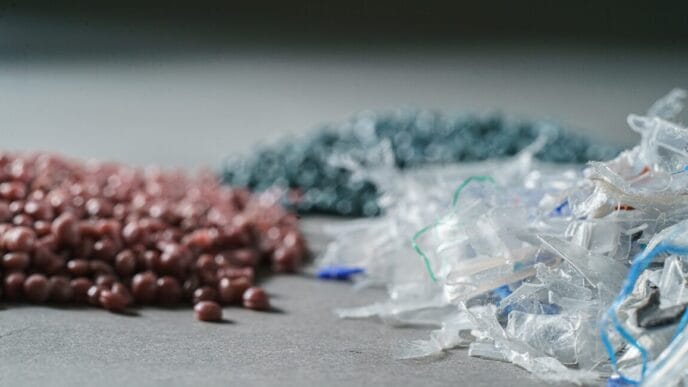
An easily recyclable barrier layer, which consists of 95 per cent monomaterials, also ensures optimum product protection. To ensure that the recyclability can be fully utilised Paper as well as the barrier layer and the cover film can be easily separated from each other.
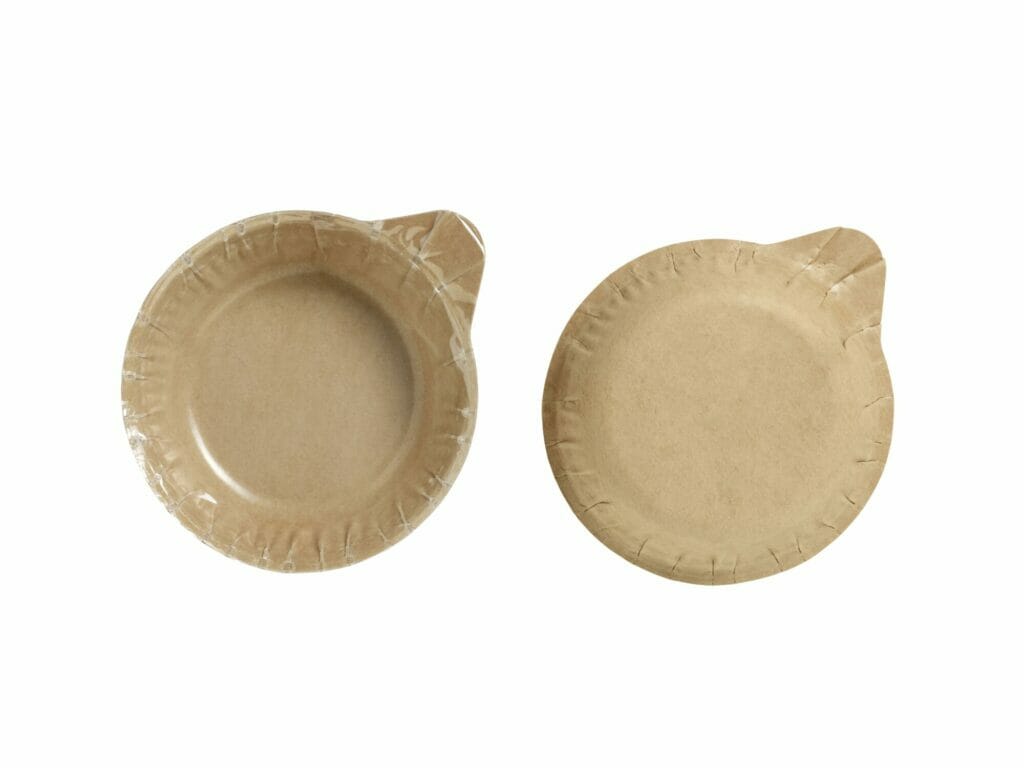
This advantage in terms of sustainability also poses challenges for packaging manufacturers: consumers should be able to separate all components for waste sorting, but paper and film must not separate from each other unintentionally. To prevent this, the TPU paper forming, filling and sealing machine from Syntegon forms the paper and barrier layer in a joint process by deep drawing and pressing.
"The paper-based trays of the "Pack4Sense" project are a further development of our previous paper packaging solutions, such as the Shaped Paper Pods, structured paper trays for packaging cosmetics or confectionery." Matthias Klauser, project manager and sustainability expert at Syntegon.
TPU brings paper and barrier layer together
The TPU was already awarded the German Packaging Award and is Syntegon's flagship for paper forming. For the Pack4Sense trays and cups, the paper runs directly from the roll into the feeder - the Barrier layer required for sealing is applied without any further conversion step and joined together with the paper.

Alternatively, manufacturers can use a converter to convert paper and the protective layer of monomaterial without heating up to join them. A moulding station then presses the materials into shape before the trays are filled and sealed.
In addition to a particularly stretchy paper that can withstand the formation of creases during the moulding process, it is particularly important to maintain the separability of the materialsA specially adapted geometry of the moulding tools reduces the tension on the materials during the manufacturing process.
Pack4Sense brings partners together
Syntegon is continuously working on the further development of paper mould technology. EIT Food makes it possible to work closely with important partners and Testing products together with consumers and food manufacturers. In this way, prototypes and solutions are developed that fulfil the product requirements and improve the sustainability of the packaging step by step.
Source: Syntegon