The pharmaceutical industry is still cautious when it comes to using recyclable, recyclable materials. However, consumers now expect more commitment from this industry in terms of sustainability. We asked pharmaceutical manufacturers to what extent recyclable packaging materials are an issue for them at all.
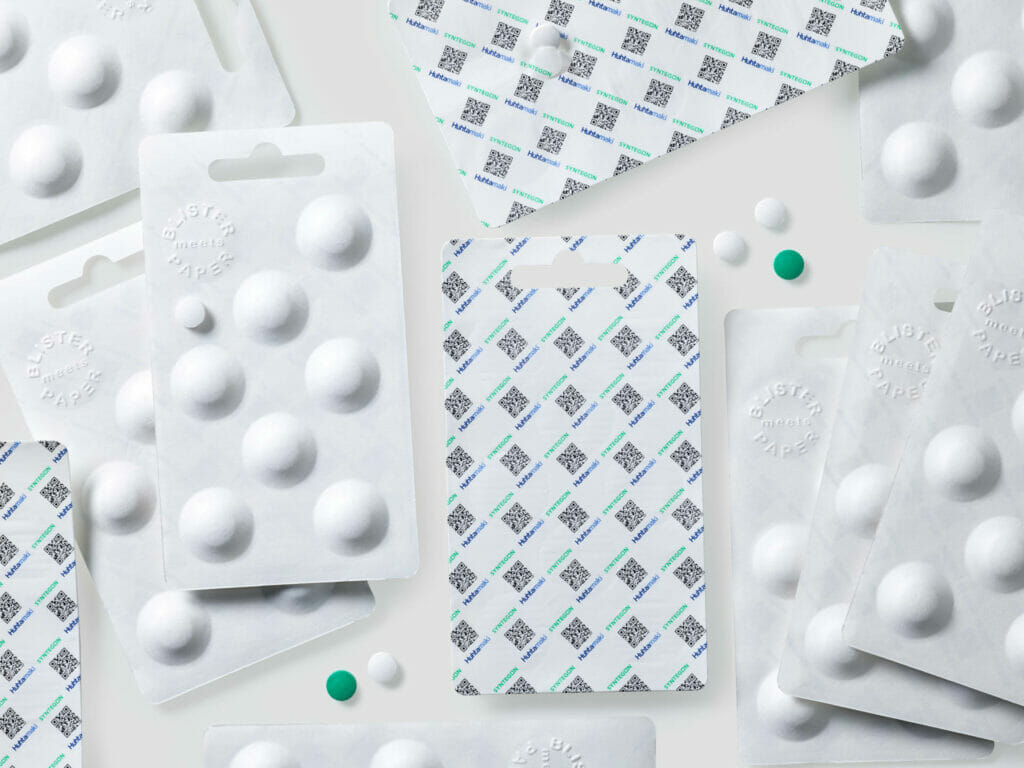
First of all: manufacturers of pharmaceutical packaging have already developed numerous recyclable solutions for the primary and secondary packaging of medicines. Last year, for example, a recyclable paper blister pack jointly developed by Syntegon and Huhtamaki caused a sensation. Neopac was honoured in 2021 for a recyclable mono-material barrier tube in pharmaceutical quality. Carton packaging manufacturer Körber is confident, that the pharmaceutical industry will be able to completely dispense with plastic packaging in a few years' time.
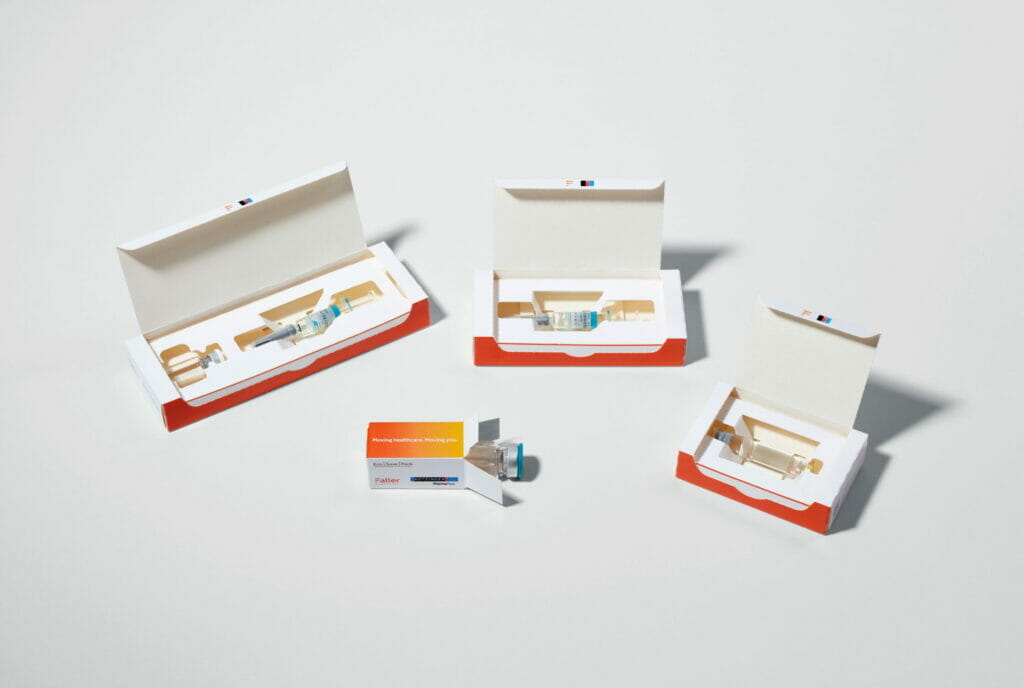
And Faller Packaging says that the pharmaceutical industry needs to be supported with environmentally friendly packaging concepts, for example by using paper and cardboard from responsibly managed forests, developing simpler packaging solutions made from mono-materials and consistently implementing the recyclability of folding cartons, labels and leaflets. With its EcoLine, Gerresheimer also demonstrates how packaging solutions for solid and liquid medicines can be developed that are are designed to be sustainable from the outset and consist of monomaterial, rPET or bio-PET, for example.

Climate protection as a key challenge
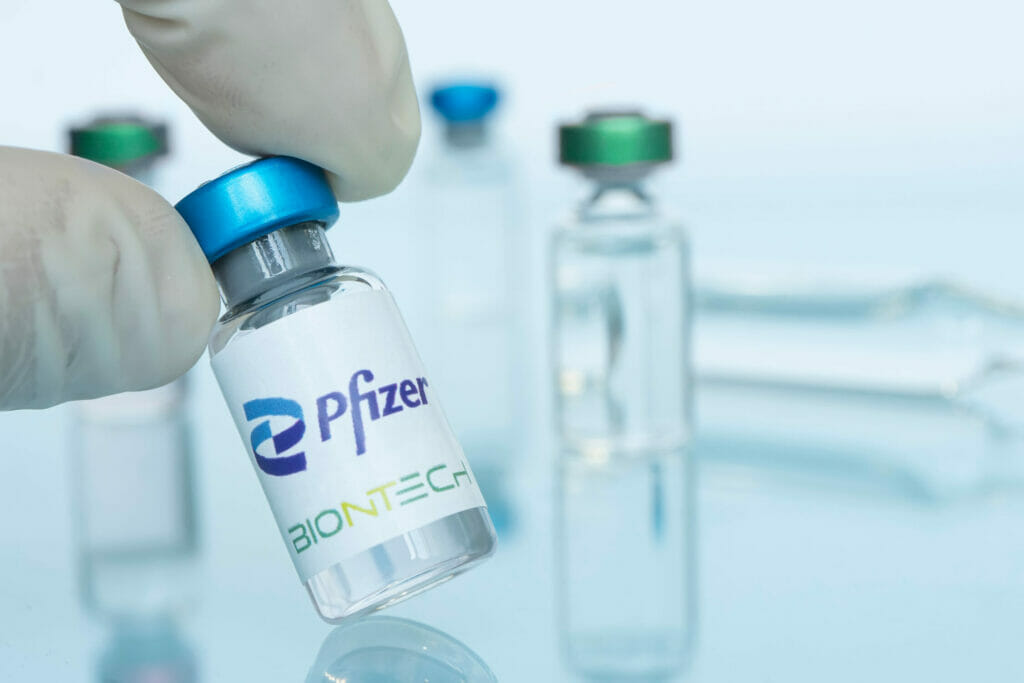
The alternative solutions have hardly been implemented by the industry to date. However, a rethink has begun. Pharmaceutical manufacturers Pfizer, one of the world's largest pharmaceutical companies, climate protection as one of the central challenges which is why environmental issues and recyclable packaging materials are already high on the agenda.
The Pfizer production site in Freiburg is regarded as the green factory and a pioneer in environmentally friendly and sustainable pharmaceutical production - from raw materials, manufacturing and packaging to transport routes and logistics. The company endeavours to operate sustainably and conserve resources at all levels. Packaging materials with renewable virgin fibre material, for cardboard or paper-based folding cartons and package inserts, for example, have long been part of this. Where packaging cannot yet be made completely recyclable, work is being done to minimise the amount of non-recyclable material.
Pfizer has not yet used monomaterials. There have been repeated internal trials, but So far, no mono-material packaging has made it into routine production. The results simply did not fulfil the internal quality requirements or could not provide sufficient product stability data. However, the company is continuing to work on this topic, as the development of mono-material packaging is an important aspect of reducing the ecological footprint of a medicine.

„We are continuously working to reduce the environmental footprint of our packaging throughout its life cycle, including in collaboration with partners across the supply chain,“ it said in a statement. To this end use functional packaging materials, designs and systems and use innovative approaches to minimise the use of materials, maximise the use of recycled or renewable materials, avoid hazardous levels of toxic and other harmful materials such as heavy metals, PVC etc., source materials from certified, responsibly managed forests and optimise the number of products per package.
Pfizer has, among other things a global guideline for green packaging design which focusses on reducing the environmental impact of packaging when it is newly developed or modified. In addition, a newly formed team will work with product managers and packaging designers to promote sustainable packaging throughout the company. Support is also provided for an initiative on the subject of „e-labelling“. The aim of this is to provide patients with package leaflet information via QR codes on the packaging instead of in paper form.
Commitments for the coming years
Johnson & Johnson was unable to provide any specific examples of further developments in packaging sustainability for the medical devices and pharmaceutical sectors when asked. However, various exciting projects are currently being tested.
However, the company has already gone one step further in its Consumer Health division: there is the Healthy Lives Mission in the area of packaging, which also applies to the Nicorette brand, among others. In it, Johnson & Johnson commits to 100 per cent recyclability, reusability or compostability for all plastic packaging by 2025 as well as 100 per cent certified or post-consumer (PCR) paper and cellulose-based packaging. Polystyrene and black plastic containers are to disappear completely from the global consumer health portfolio in the course of this year. By 2030, Johnson & Johnson aims to invest a total of 800 million dollars in the Healthy Lives Mission project.
The company has also announced current climate protection targets. By 2025, the company aims to source all of its electricity requirements from renewable sources. To this end, three new virtual power purchase agreements (VPPAs) were concluded in July 2021, which should supply the equivalent of 100 per cent renewable electricity in Europe for Johnson & Johnson sites that have operational control by 2023. By 2030, all companies should have CO2-be neutral. The company is also one of the signatories of the „Race to Zero“ campaign supported by the United Nations with the ambition of achieving net zero emissions across the entire value chain by 2045.

We also asked Bayer Healthcare about its sustainability goals and possible recyclable packaging for its pharmaceutical products. There is currently working on corresponding concepts and did not want to give any details at this stage. Unfortunately, we did not receive a response from the German company Ratiopharm, part of the Israeli Teva Group.
Conclusion: The pharmaceutical industry is still very cautious when it comes to the recyclable packaging of its products. However, the topic is increasingly taking centre stage. When it comes to secondary packaging, experts There is even a trend towards recyclable solutions. However, there is still a long way to go before recyclable monomaterials are also used in primary packaging, i.e. where medicines are packaged directly.
Pharmaceuticals and cosmetics - More news


Dioxycle and L'Oréal cooperate

Solutions for safe and sustainable metal packaging

Packaging design as the key to brand communication

Small cosmetics packaging makes sorting more difficult