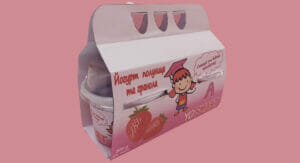
Ukrainian companies impress at WorldStar Awards
At the WorldStar Awards of the World Packaging Organisation, three companies from Ukraine were delighted to receive an award.
Read more " 



Stora Enso believes that, due to the uncertainties on the Russian market, local operations will have a long-term more sustainable solution for these business units and the employees working in them offer. The transaction is expected to close in Q2 2022, subject to the necessary approvals, and will not have a material impact on the company's annual revenue and operational EBIT.
Due to the reduced business prospects, an impairment loss of EUR 70 million was recognised in the result for the first quarter. The additional loss from the transaction in accordance with IFRS will amount to approximately EUR 60 million, consisting mainly of currency translation differences to be recognised at the closing date.

The Nebolchi and Impilahti sawmill sites are located in Novgorod and Karelia and employ around 330 employees and have a total annual capacity of 350,000 cubic metres of sawn timberincluding 55,000 cubic metres of processed wood and 65,000 tonnes of pellets. The company employs around 170 people in its Russian forestry operations and manages long-term logging rights for around 370,000 hectares.
Source: Stora Enso