Glass is one of the oldest materials known to mankind. As early as around 1,500 BC, it was possible to produce hollow objects from glass. Since then, it has inspired the spirit of invention and has been an indispensable companion to the development of civilisation. With all its versatile design possibilities, the great importance of the interplay between continuity and change is particularly evident in its manufacture.

In terms of the history of container glass, the last decade has only been the blink of an eye. And yet there have been changes. With the "Product Innovation in Glass" award, which has been presented annually since 2014, the Glass packaging action forum not only the respective actual trends and developments under the microscope. It also sends out a clear signal in favour of innovative products that appreciate glass as a material.

Sustainability ambassador

Awareness of the importance of waste avoidance and recycling for the climate and the conservation of resources is growing, and with it the importance of glass as a packaging material. The fact is that glass is 100 per cent recyclable and can be processed into new, high-quality glass packaging as often as required without any loss of quality. On average, glass packaging contains 60 per cent recycled glass. For green glass, it is even up to 90 per cent.

However, it is difficult to calculate significant changes to sustainability in the container glass sector. This can be seen, for example, in material savings achieved in mass production: Successes are blurred in the statistics by the more frequent and increased use in the luxury segment.

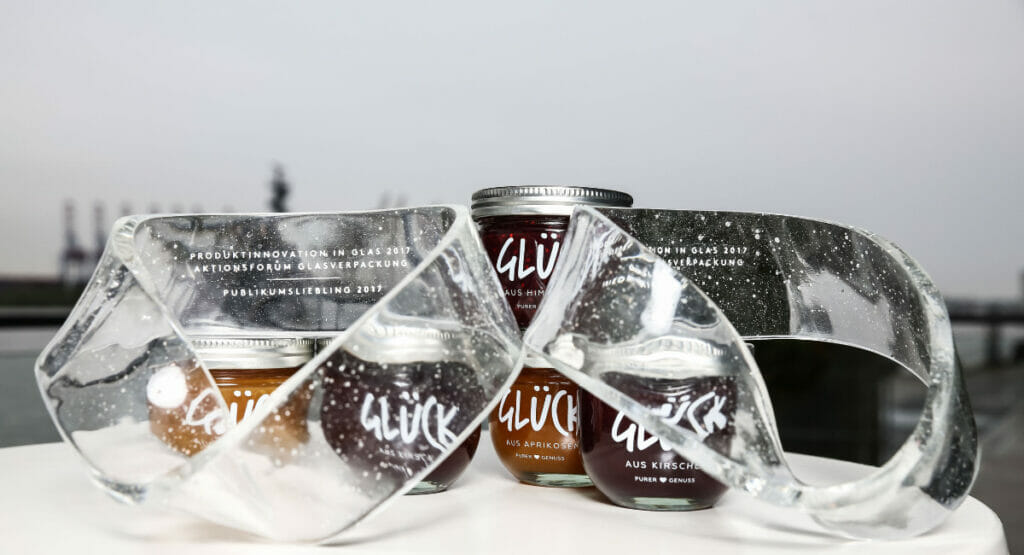
Pure happiness in an attractive package ...
Pure happiness in an attractive package ... (Image: Ulrich Perrey)

The importance of continuity and change is particularly evident in the transformation of the glass industry. have been working hard for some time on promising concepts for achieving climate-neutral production, but are dependent on external driving forces. Above all, this includes the provision or expansion of the necessary nationwide infrastructure for the transport of alternative energies such as green electricity or hydrogen.

Nevertheless, container glass plays an important role, especially for products for which ecological sustainability is intended as a marketing argument. Of course, the excellent product protection and very good recyclability are also in the foreground here. But its Reusability and upcycling options make glass the ideal packaging material in this growing area.

"Reusable applications of glass packaging outside the beverage segment, progressive downgauging of disposable glass packaging and intelligent ideas for attractive upcycling through the appropriate design of glass packaging are the clearest developments in recent years that emphasise the contribution of glass packaging to ecological sustainability."

Dr Ulrich NehringNehring Consultants and member of the jury for product innovations in glass

Expression of the brand identity

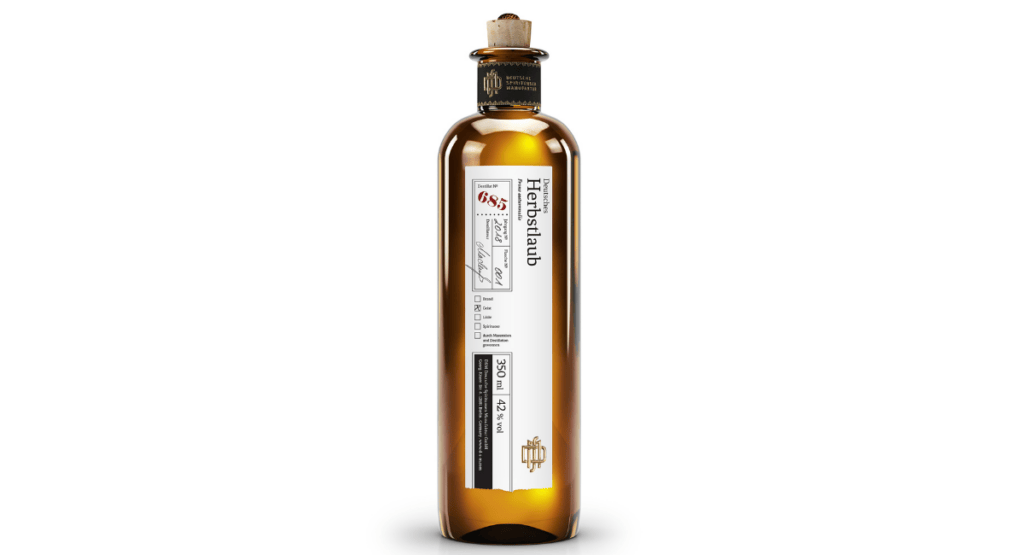
A packaging, like from the pharmacy ...
Packaging as if from a pharmacy ... (Image: DSM Deutsche Spirituosen Manufaktur)

In addition to the ecological aspect, the focus is on the appearance of glass for branding: high-quality, elegant and very versatile in terms of design and customisability. However, an appealing look, i.e. a formal and aesthetic design that matches the product in terms of shape, size, colour, material or surface, is not enough on its own. Packaging design means more than just developing a practical sleeve for a product. Food or drinks are often unconsciously judged by the way they are packaged. Closely linked to this is the expectation of product quality. For example, red wine in an attractive glass bottle is associated with a completely different taste experience than the same product in alternative packaging. It is precisely this realisation that has been reflected in the submissions for product innovations in glass over the last ten years. Similar to the cosmetics sector more elaborately decorated and designed glass packaging submitted.

One Express brand identity through the characteristic design of glass packagingThis has been achieved relatively often for high-priced products, particularly in the cosmetics and spirits sectors. This realisation is usually more challenging for mass-produced food products. "However, there have been several success stories of this kind in the last ten years, particularly with delicatessen sauces and fruity spreads," emphasises Dr Ulrich Nehring.

Developments in the product range

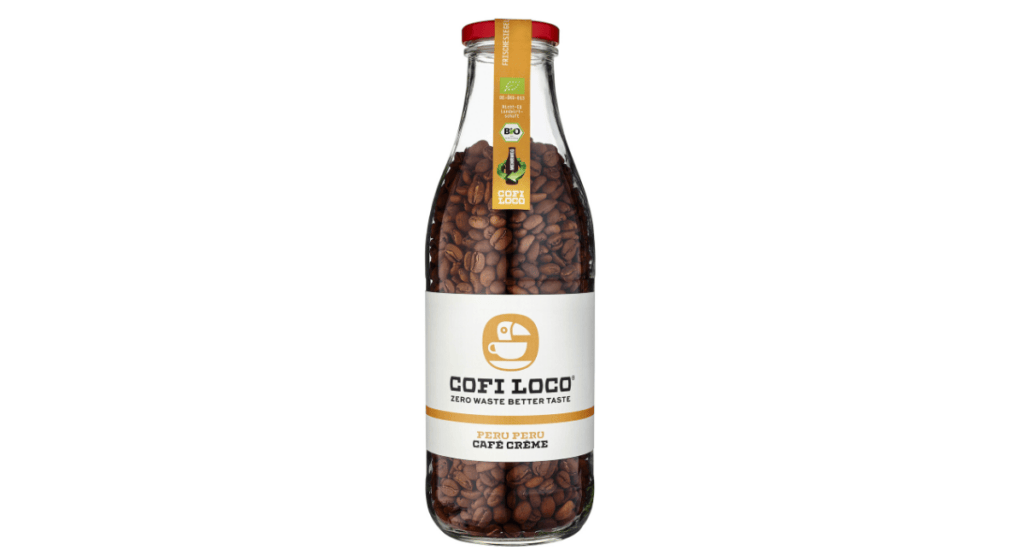
The coffee in the milk bottle ...
The coffee in the milk bottle ... (Image: neon-fotografie)

Glass packaging is particularly suitable for creating value through its shape and a very specific to express brand character and make products easily recognisable on supermarket shelves. to make.

In recent years, some manufacturers and start-ups in particular have Glass as eye-catching disposable or reusable packaging for their products. The products range from mixed cocktails to tea in a glass, coffee beans or baking mixes in a bottle to herb gardens.

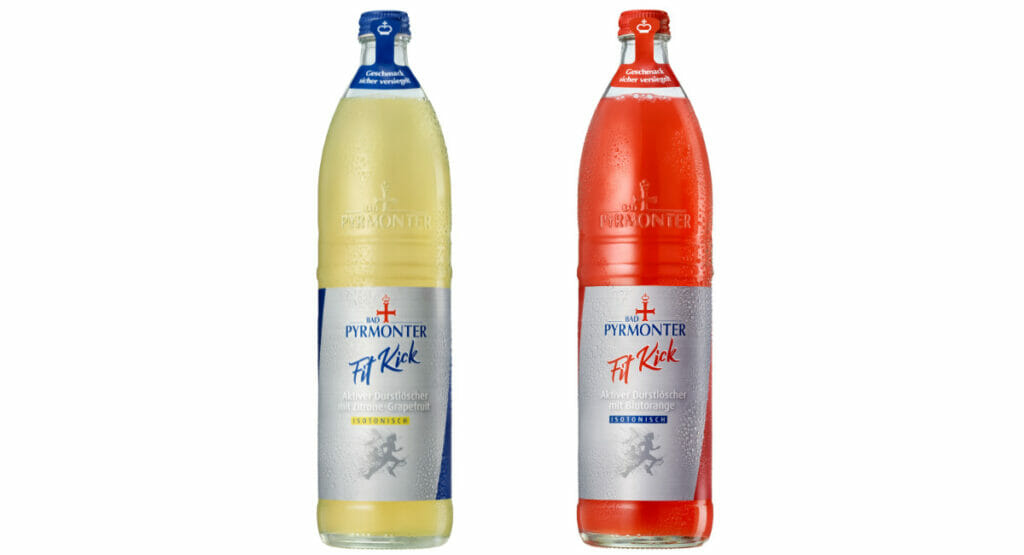
The trend towards bottling more beverages in glass and, in particular, in reusable containers is less of an issue for the brewing industry. Since the introduction of the one-way deposit, the proportion has remained constant at around or sometimes even more than 80 per cent. In the mineral waters and soft drinks, however, there is a clear return to glass packaging. to be felt. Dairy products are increasingly being sold in returnable containers with a deposit and even the wine industry is now thinking about introducing the returnable system. Of course, this has a lot to do with the Increase in ecological awareness and the associated consumer expectations to do.

"The retro trend is also noticeable in the beverage industry. The Euro bottle is experiencing a renaissance, especially in the southern part of the country. There is hardly a brewery there that has not reintroduced these bottles, at least as an addition to its range. It is mainly pale beer that is filled in euro bottles, and this type of beer is showing a very noticeable upturn in the market overall."

Achim Nieroda, Technology at Deutscher Brauer-Bund e. V. and member of the jury for product innovations in glass

The Trend towards more conscious consumption and natural foods also benefits glass. As there is no interaction between the glass packaging and the contents, glass stands for unadulterated flavour and optimum protection of nutrients and vitamins. This makes the The oldest packaging material in the world is also the one most likely to meet the demands of today's consumers. seems.

Breaking new ground as a pioneer for sports drinks in glass bottles
Breaking new ground as a pioneer for sports drinks in glass bottles ... (Image: Bad Pyrmonter Mineral- und Heilquellen)

A decade of "product innovation in glass"

This year, for the tenth time, companies from the food and beverage industry are invited to submit their innovative products packaged in glass for the competition. These will be scrutinised and examined by an independent jury of experts. Various criteria will be assessed: Ingredients, product concept, design of the glass packaging, practicality and marketing strategy. The best six products will be nominated and the winners will be announced at the "Glass Trend Day". The industry event for decision-makers from marketing, retail and purchasing will take place in Hamburg in September 2023. The winner in the "Audience Favourite" category will be chosen by the Trend Day participants directly on site. In this special anniversary year, the jury will also award an additional prize: Among the finalists of the last ten years, the decade winner of the product innovation in glass is chosen.

http://www.glasaktuell.die

More news from the magazine

One hundred years blue tin

Since 1925, the Nivea cream can has borne its deep blue colour, white lettering and round shape - a design that has remained stable over generations, markets and crises and is now celebrating its 100th birthday.

Read more "

Packaging users | Repackaging at the turn of the month

In his new column, our „packaging user“ takes a look at a business in which packaging and marketing have long since become more important than the actual content: the jersey. What was once a symbol of loyalty and identity is now degenerating into a seasonal disposable product - from carnival jerseys and limited special editions to „reinventions“ every year. A trenchant look at football, consumption and the question of how much sustainability there really is in polyester.

Read more "

Circular economy in the cold chain

The requirements for transporting temperature-sensitive products are high, especially in the pharmaceutical industry. Eutecma has specialised in the cold chain with modular, reusable packaging solutions.

Read more "