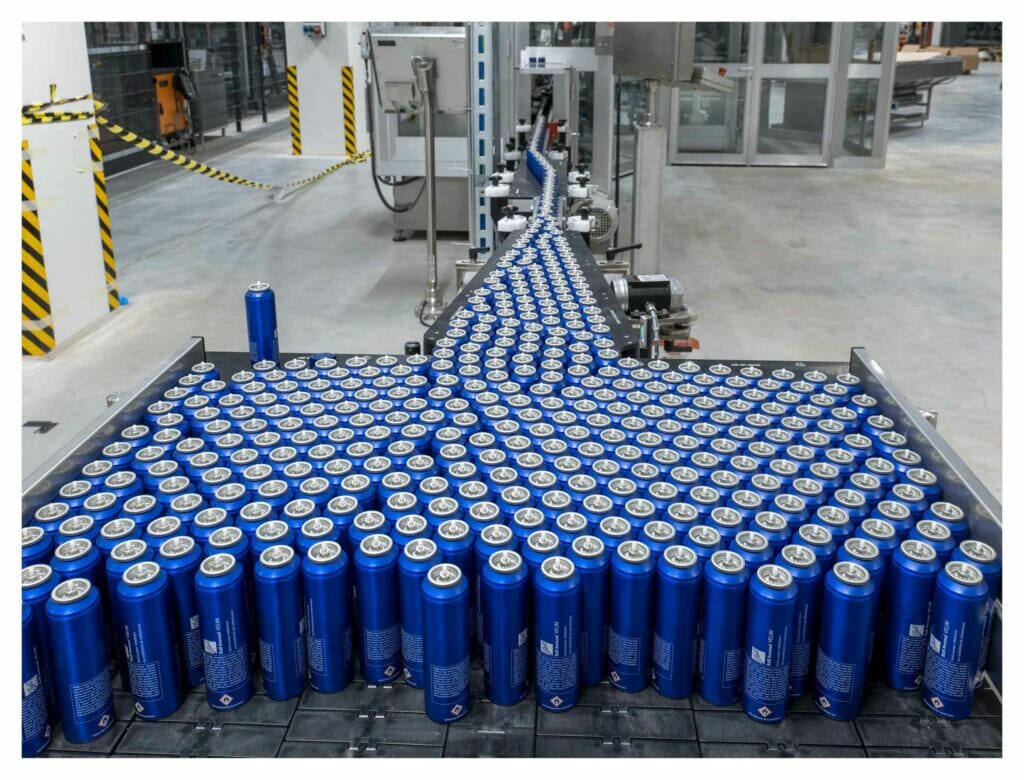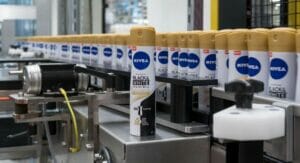
Beiersdorf announces a further step towards sustainability, climate protection and a circular economy: from 2023/24, all deodorant cans in the European range will consist of at least 50 percent recycled aluminium and weigh 11.6 percent less thanks to material reduction.

This reduces CO2e emissions in the value chain by around 58 per cent. This corresponds to a reduction of around 30 tonnes of CO2e per year.

„The use of recycled aluminium for aerosol cans is Beiersdorf already a pioneer in the industry,” emphasises Isabell Niggemann, Global Procurement Manager Sustainable Packaging. „We are now extending this significantly more sustainable packaging solution to the entire deodorant range.“

(Photo: Beiersdorf)

Cooperation with packaging partners

The successful realisation of this reduction in CO2e emissions is the result of a committed collaboration between Beiersdorf and leading packaging producers in the aerosols sector. The recycled material used here comes from the European market. It is remelted and processed into aerosol cans, which Beiersdorf then uses for its products, e.g. deodorants. The great advantage of this is that aluminium can be recycled an infinite number of times without losing its high-quality properties as a packaging material. It is light, stable, easy to mould and provides ideal protection for the product. And the recycling approach creates new prospects for the circular economy and significantly reduces energy consumption compared to the production of primary aluminium.

Weight reduction and the procurement of primary materials from „green production“ are further levers for reducing the CO2e footprint. Beiersdorf, together with its packaging suppliers, is now exploiting these opportunities in Europe and thus continues to be a pioneer in the market. The aluminium packaging portfolio is also to be converted globally and beyond the deodorant range in order to achieve the ambitious sustainability targets by 2025.

Production in Leipzig makes the move possible

The new Beiersdorf plant in Leipzig-Seehausen, where the production of cosmetic products for the European market is currently being ramped up, is making a decisive contribution to the implementation of the Group's „Climate Care“ strategy with its state-of-the-art production technology.

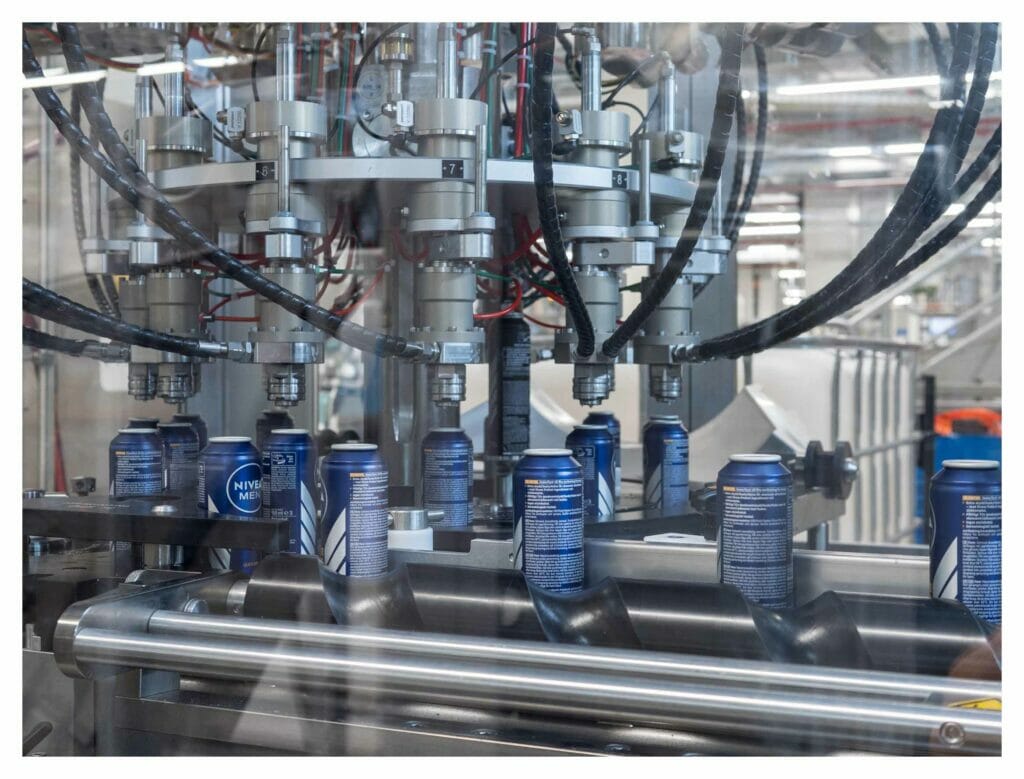
In future, Leipzig will not only produce deodorants, but also hairsprays and shaving foams under the NIVEA brand, as well as aerosol products from 8X4, Hidrofugal and Hansaplast for the European market. The production centre is able to recover and recycle valuable resources such as heat, waste water and ethanol to a high degree. It also offers new possibilities for filling lightweight aerosol cans: in order to be able to process the lighter packaging made of recycled aluminium in the production process, so-called vacuum depalletisers were installed, which transport the particularly lightweight empty cans from the pallets to the production line in layers, safely and without damage.

More news from Beiersdorf

One hundred years blue tin

Since 1925, the Nivea cream can has borne its deep blue colour, white lettering and round shape - a design that has remained stable over generations, markets and crises and is now celebrating its 100th birthday.

Read more "

Beiersdorf makes aluminium cans more sustainable

Beiersdorf is making a further contribution to climate protection and the establishment of a circular economy with more sustainable aluminium packaging. All deodorant cans filled at the new plant in Leipzig contain at least 50 percent recycled aluminium and are lighter in weight thanks to material reduction.

Read more "