
Chile has clarified the implementing regulation on single-use plastics and plastic bottles: The regulations specify the requirements for certified plastics, recycled content in beverage bottles, and reusable options in retail.
The government's aim with the law is to reduce the generation of packaging waste, promote reuse, and increase the use of recycled material in plastic packaging. The context for this is approximately 23,000 tonnes of single-use plastic waste in Chile each year, a significant portion of which ends up in the environment.
Minimum percentages of recycled material in plastic bottles
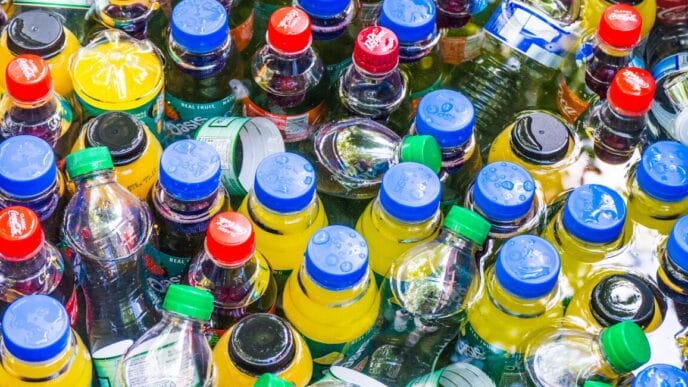
The regulation confirms the minimum percentages for recycled plastic in single-use beverage bottles, which were already established in law. Accordingly, bottles containing non-alcoholic beverages must in future contain the following percentages of plastic collected and recycled in Chile: 15 percent between 2025 and 2029, 25 percent from 2030, 50 percent from 2040, 60 percent from 2050, and 70 percent from 2060. Only the bottle body is taken into account; caps and labels are not considered.

To ensure compliance, Chile is introducing a certification system. Manufacturers must prove the origin and recycled content. Each bottle will be assigned a batch number and a QR code, allowing consumers to digitally access the certificate.
Requirements for certified plastics
The regulation also defines for the first time the requirements for so-called „certified plastics“. These must consist of at least 20 per cent renewable raw materials and be industrially or home compostable. For home composting, a biodegradability of at least 90 per cent within a maximum of 365 days is prescribed. For industrial composting, the same degradation rate applies within a maximum of 180 days.
Products that meet these requirements will receive state certification and must be labelled accordingly. Among other things, the inscription „Plástico certificado Ley N° 21.368“ and a unique certificate number are prescribed.
Supermarkets must offer reusable bottles
Another focus of the regulation is on returnable systems: retailers of non-alcoholic beverages are obliged to offer and take back returnable bottles. For supermarkets, the regulation stipulates that at least 30 percent of the sales area must be occupied by beverage bottles in returnable containers. The calculation is based on the visible shelf or display area.
Source: Decree 30, Ministry of the Environment