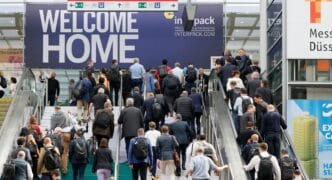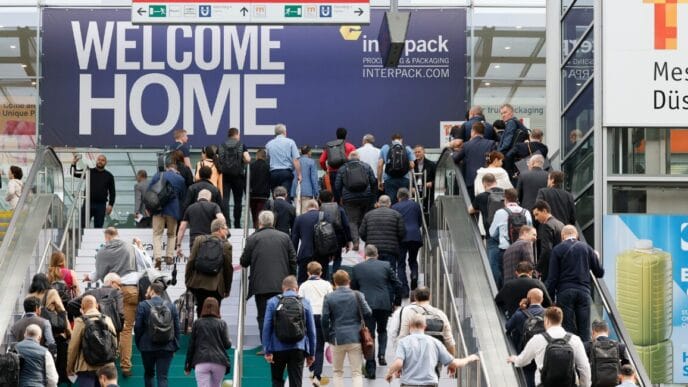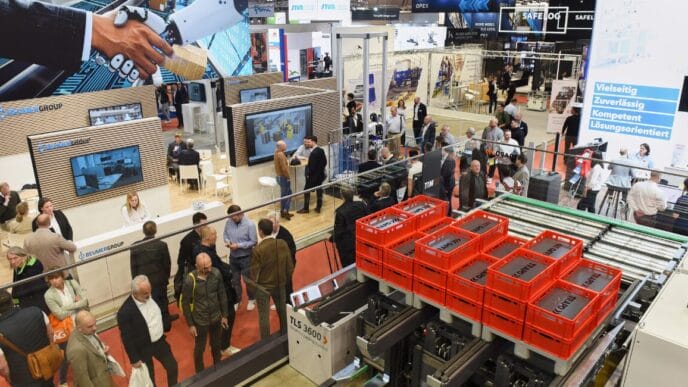
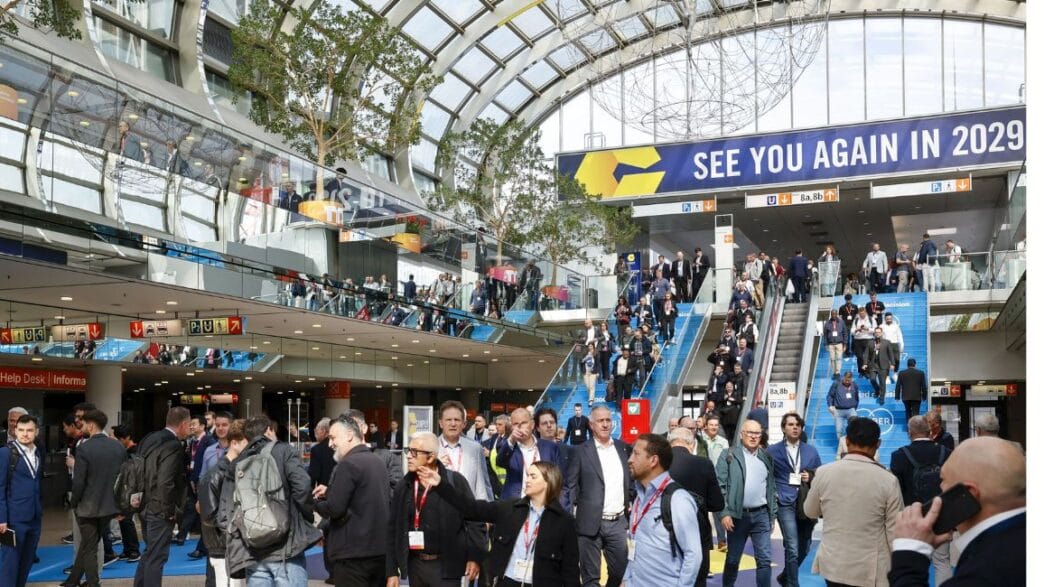
The packaging industry is undergoing a significant transformation, and Interpack 2026 has made this change impressively evident. As a global meeting point for the processing and packaging industry, the trade fair in Düsseldorf provided a platform where the sector's innovative strength and interconnectedness were palpable. With a high visitor frequency and intensive discussions, the event underscored the determination of companies to develop future-proof solutions.
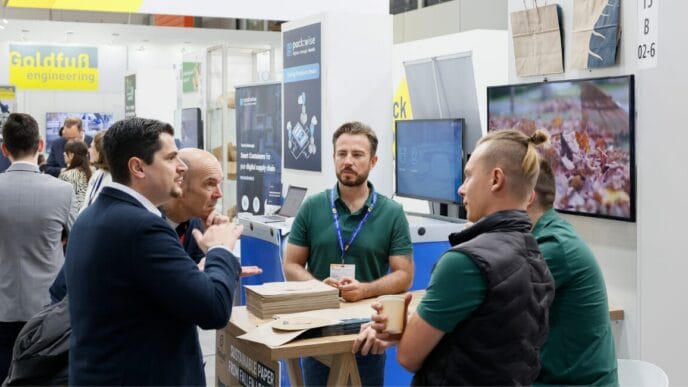
The Interpack 2026 highlighted the innovative strength of the packaging industry. Companies from all over the world presented their latest developments and discussed future challenges. The focus was on sustainable materials and efficient processes that meet the demands of modern packaging solutions. The exhibition halls were characterised by an international presence, underlining the global nature of the event.
2,804 exhibitors from 65 countries and trade visitors from 161 countries met over seven trade fair days on the fully occupied exhibition grounds. A total of 75 percent of visitors came from abroad, 28 percent of whom were from overseas. Around 100 additional companies were represented at the parallel Components trade fair. This made the Interpack 2026 the largest in its history in terms of exhibitors.

„That was a top-class Interpack. Heavily attended halls, intensive discussions, and concrete projects showed the power present within this global community. Interpack is the most important meeting for the industry worldwide, and this edition impressively confirmed that.“
Thomas Dohse, Director of interpack
Market growing – sector under pressure
Interpack 2026 encountered an industry in a phase of transformation. The demand for packaged products continues to rise, but requirements for materials, production systems, and supply structures are shifting. The main focus at the trade fair was the European Packaging and Packaging Waste Regulation (PPWR), which represents a turning point for the industry in many respects.
It became clear at the trade fair that companies are not reacting in isolation, but systemically. The exhibitors showed solutions where material, machine and process are increasingly considered collectively and coordinated with each other. The Interpack thus confirms its function as an economic engine for the industry: projects are initiated here, investments are prepared and economic dynamism is generated.
Systems, Materials, Competencies
Automation, data-driven applications and flexible plant concepts have arrived in industrial practice and were visible at the trade fair as concrete applications of Smart Manufacturing. In the materials sector, the focus was on innovative solutions that function under real conditions and comply with regulatory requirements. Future skills became concrete where networked and data-driven systems demand new competencies in production.
Specials provide additional impetus
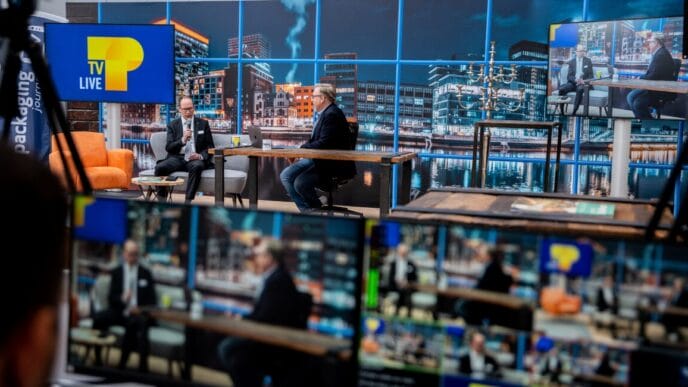
Beyond the exhibition stands, the trade fair also set new standards. The further developed specials complemented the trade fair activities and introduced additional perspectives. The interpack Spotlight Forum, the Save Food Expert Talks, Women in Packaging, the Start-up Zone and the Young Talents Day clearly demonstrated how broadly the industry's transformation is being discussed – from technology and sustainability to diversity, start-up culture and talent promotion, to qualifications and future competencies.
The next Interpack will take place in 2029. The date will be announced shortly.
Source: Düsseldorf Trade Fair Centre