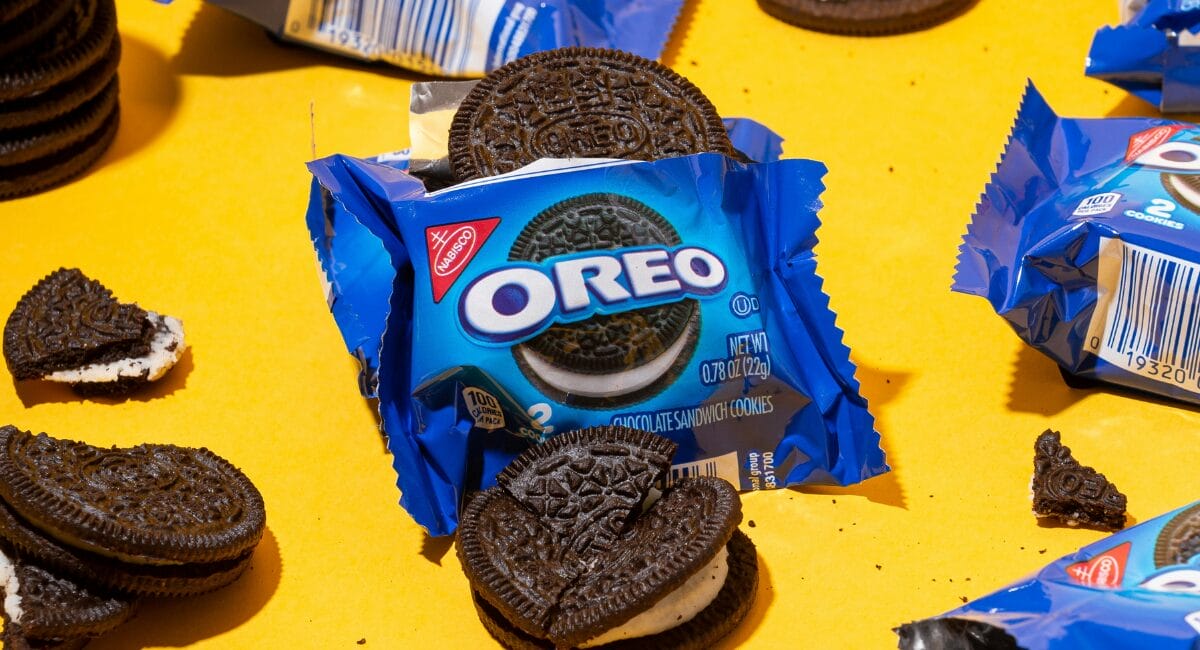
The US subsidiary of German discounter Aldi is facing a lawsuit from snack company Mondelez International. The allegation is that Aldi's own-brand products deliberately imitate the packaging design of well-known Mondelez brands such as Oreo, Chips Ahoy!, Wheat Thins and Ritz in order to deceive consumers.
In the lawsuit filed in federal court in Illinois on 27 May, Mondelez accuses Aldi of undermining the distinctiveness of its brands and confusing consumers by imitating the packaging designs. The lawsuit covers seven products, including Aldi's own brands such as „Thin Wheat“ (similar to Wheat Thins), „Peanut Butter Creme“ (similar to Nutter Butter) and „Original Chocolate Sandwich Cookies“ (similar to Oreo). Mondelez submitted comparative photos to the court, which are said to show striking similarities in colouring, layout and imagery.
Mondelez emphasises that Aldi has already been made aware of the problematic similarities on several occasions. Although some products have been adapted or removed from the range, others are still being sold with almost identical designs. The group is now demanding compensation and a court ban on the further sale of the affected products.
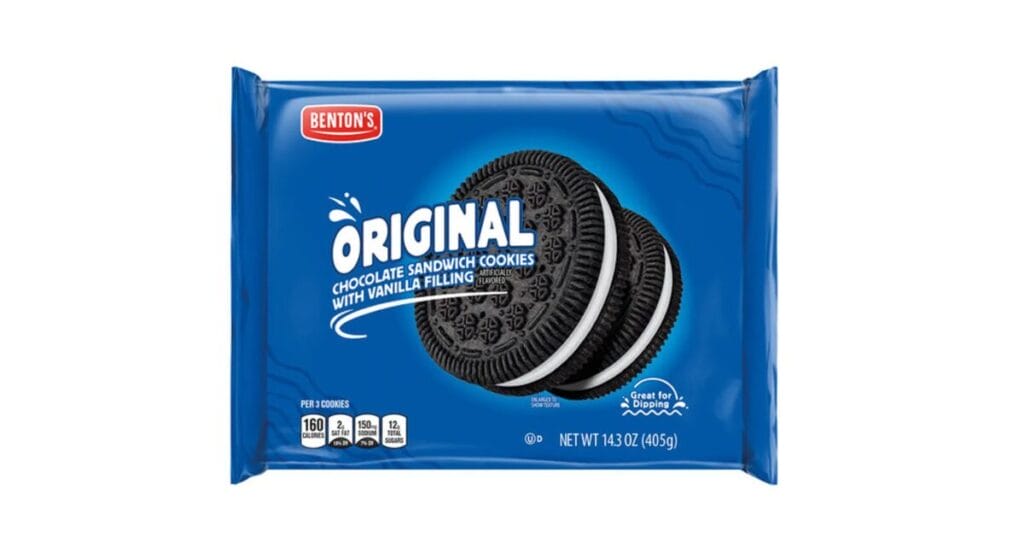
Aldi USA, based in Batavia, Illinois, has not yet publicly commented on the allegations. The company is known for its business model, in which the majority of its product range consists of low-priced own brands that are often based on well-known brand products.
Relevance for the German market
The principle of „lookalike“ products is also widespread in Germany: Discounters and supermarkets offer private labels whose packaging designs and product names are strongly reminiscent of established brands. This practice is legally controversial and repeatedly leads to disputes between brand manufacturers and retail chains.
The current lawsuit in the USA could have a signalling effect and reignite the discussion about the limits of permissible imitation in packaging design here in Germany too.