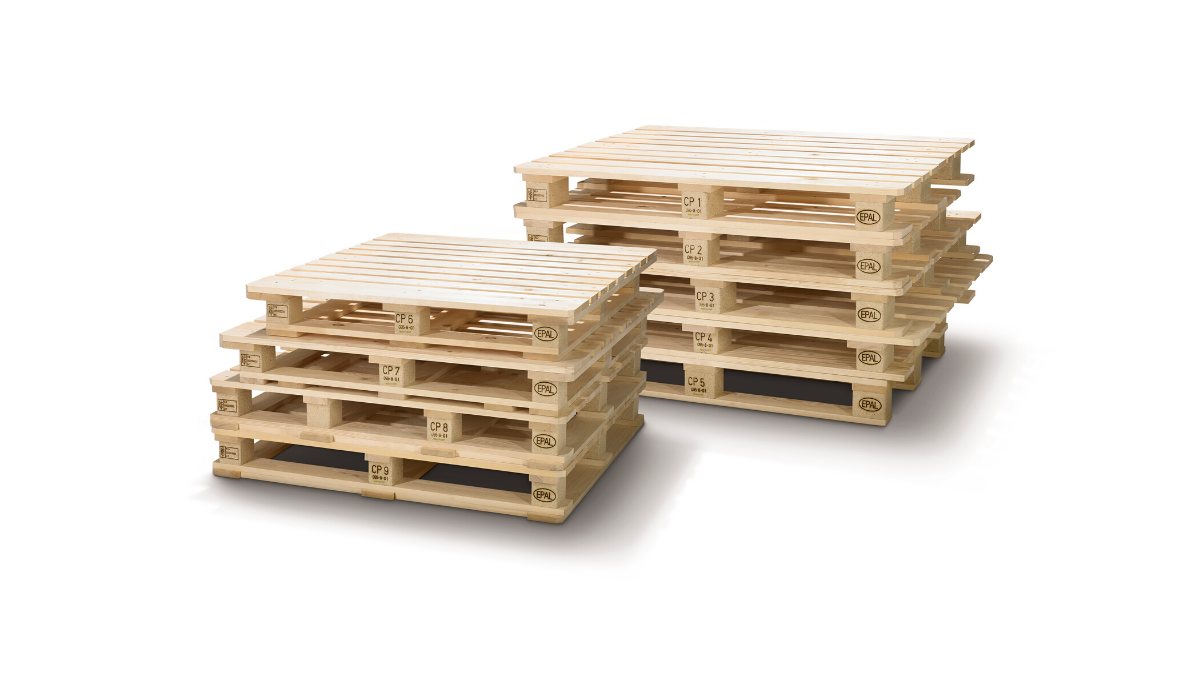
EPAL chemical pallets ready for the market

The European Pallet Association e.V. (EPAL) has implemented the requirements of the chemical industry for EPAL CP pallets and incorporated them into the EPAL Technical Regulations.
Epal pallet market Epal pallet market
(Image: EPAL)

The European Pallet Association e.V. (EPAL) has implemented the requirements of the chemical industry for EPAL CP pallets and incorporated them into the EPAL Technical Regulations.

In addition, the EPAL CP pallets were installed in the Dortmund Packaging laboratory of the Fraunhofer Institute for Material Flow and Logistics IML subjected to numerous intensive practical tests. The test results prove a Optimum functionality of EPAL chemical pallets for bagged and drummed goods and thus fulfil the complex requirements of the chemical industry for high-quality wooden load carriers.

„The feedback from users in the chemical industry on the changed technical requirements was positive in all discussions and we have experienced great acceptance and support for the EPAL chemical pallets. We are now entering the race with the EPAL CP pallets,“ says Christian Kühnhold, CEO of EPAL.

EPAL chemical pallets fully meet the demand for IPPC-treated and dried quality pallets, which the Safety requirements of the chemical industry fulfil.

Display

[infotext]The European Pallet Association e.V. (EPAL) secures the flow of goods in the logistics world with over 600 million EPAL Euro pallets and 20 million pallet cages in the world's largest open exchange pool. Founded in 1991 as an umbrella organisation for licensed manufacturers and repairers of EPAL load carriers, EPAL is responsible for their consistent quality worldwide. EPAL pallets are made from sustainably grown, CO2 neutral wood, are repairable, recyclable and reduce transport routes thanks to their high availability. As a registered association, EPAL does not pursue any commercial interests and makes all decisions in the interests of its industrial, trade and logistics partners. EPAL is represented in over 30 countries by 14 national committees, which have committed themselves to the national implementation of EPAL's objectives[/infotext].

Source: EPAL