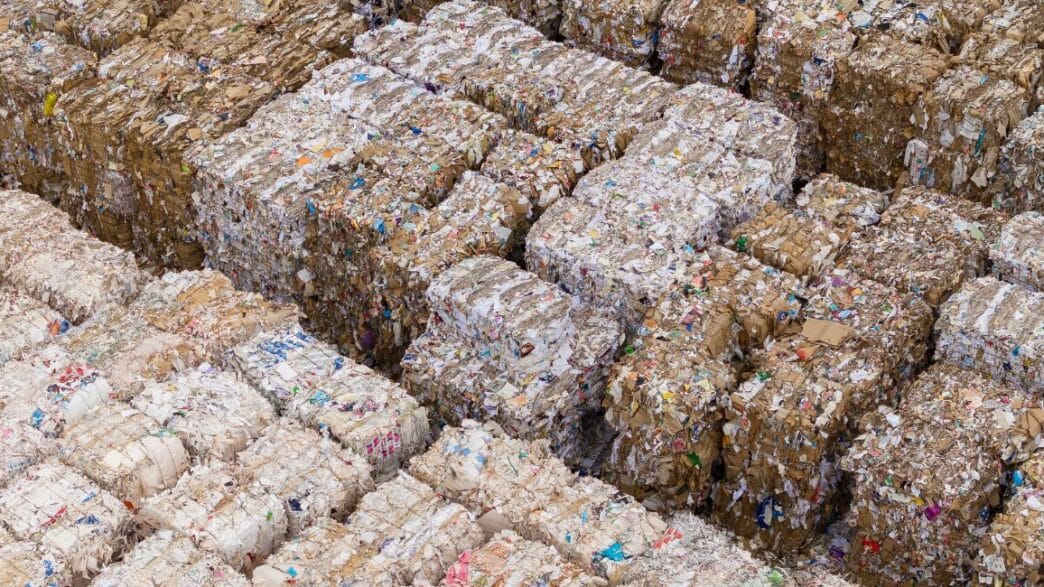
The pressure on natural resources is forcing the packaging industry to rethink its material choices. With the rising demand for renewable raw materials in various sectors, including packaging, energy, and construction, MM Board & Paper is calling for greater commitment to recycled fibres. These should be kept as valuable raw materials in a circular economy rather than being regarded as waste.
According to MM Board & Paper, the mere ability to recycle is not enough. While paper and cardboard packaging have one of the most efficient recycling infrastructures in Europe, a true circular economy only emerges when recovered fibres are integrated into new products on a large scale. The implementation of the Packaging and Packaging Waste Regulation (PPWR) and Extended Producer Responsibility (EPR) fee structures are increasing pressure on the industry to focus more on recycling.
„Recyclability is just the starting point. Packaging only truly becomes circular when recovered fibres are collected, reprocessed and used again in new products. If demand for recycled content falls, the entire collection system loses value.“
Katja Tuomola, Head of Group Sustainability & Marketing Communications at MM Group
Research supports reusability
Independent research, conducted in collaboration with Graz University of Technology, shows that paper fibres can be recycled over 25 times without significant detriment to their quality. This reinforces MM Board & Paper's view that recycled fibres should be considered a valuable raw material, rather than waste.

As demand for virgin fibres increases and competition for forest resources intensifies, so too do the costs of collection and recovery. EPR fee structures based on weight could also make lighter virgin fibre-based materials appear more attractive.
„It’s not about an either-or between virgin and recycled fibre. Virgin fibre has its place where it's technically necessary. However, the assumption that virgin fibre is automatically the premium solution and recycled fibre is just a compromise is outdated.“
Jürgen Kleinrath, CSO Board & Paper
Sustainable benefits of recycled paper
A study commissioned by the German Federal Environment Agency shows that the production of recycled paper causes significantly less water, energy and CO₂ emissions compared to virgin fibre paper. These findings should be incorporated into the discussion about material choices, particularly in view of stricter regulatory requirements and growing consumer awareness.
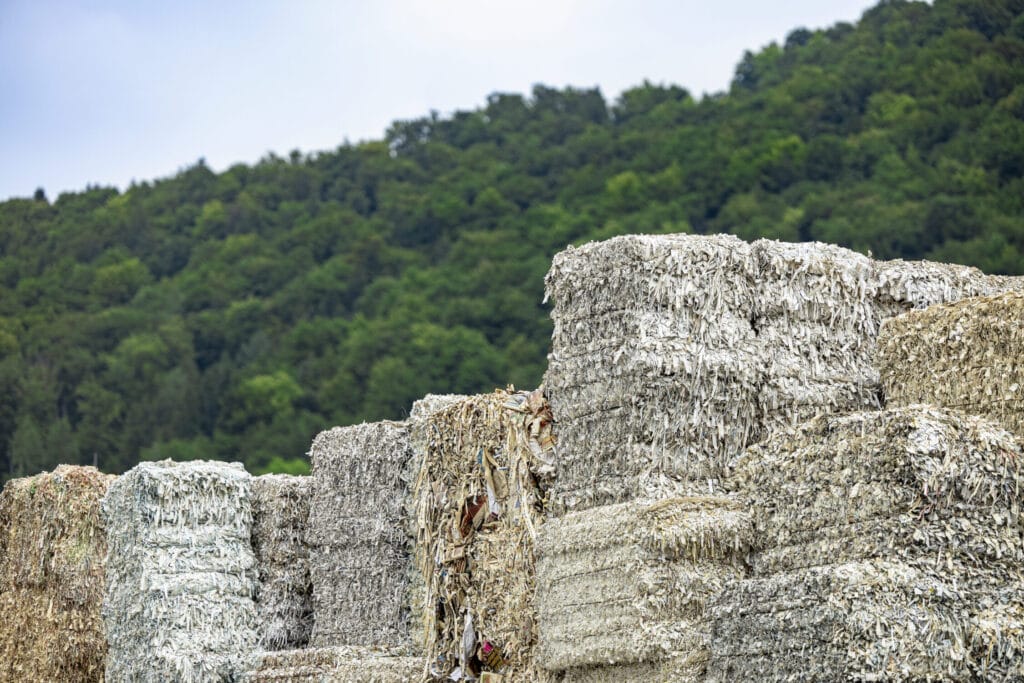
According to a study by Perspectus Global, brands that use recycled cardboard are perceived as more responsible by 80 percent of consumers. 69 percent of respondents actively prefer recycled cardboard when the packaging is otherwise identical.
The right fibre for the right application
For MM Board & Paper, the most compelling packaging strategies are based on selecting the right fibre for the right application – considering performance requirements, regulatory frameworks, total material costs, and the broader environmental impact.
Jürgen Kleinrath: „Fibers are too valuable to use only once. If the infrastructure for collecting and recycling paper is already in place, then the next responsibility is to keep these fibers in circulation. This means setting recycling quotas where they make sense, trusting modern recycled cardboard where it performs as required, and making material choices that strengthen the circular system.“
SourceMM Board & Paper