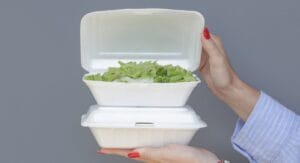
Two thirds of plastic packaging in supermarkets can no longer be recycled, the media recently reported. If it were up to organic distributor Eosta, recycling would no longer be necessary. Thanks to innovative packaging solutions, Eosta can offer its entire fresh fruit range plastic-free.
In addition to laser labelling using natural branding, the Dutch company now also offers Flowpacks and boxes made of paper on. Products such as organic tomatoes, berries and avocados are still often sold in plastic packaging.
Many consumers are annoyed by the flood of plastic in supermarkets, especially when it comes to organic fruit and vegetables. Supermarkets package organically grown fruit and vegetables so that they can be distinguished from conventional goods at the checkout. A sustainably produced product is responsible for a lot of environmentally harmful plastic waste. Many countries are therefore taking measures to reduce plastic waste; France is leading the way: plastic packaging for fruit and vegetables will be banned here from 1 January 2022.

Natural branding
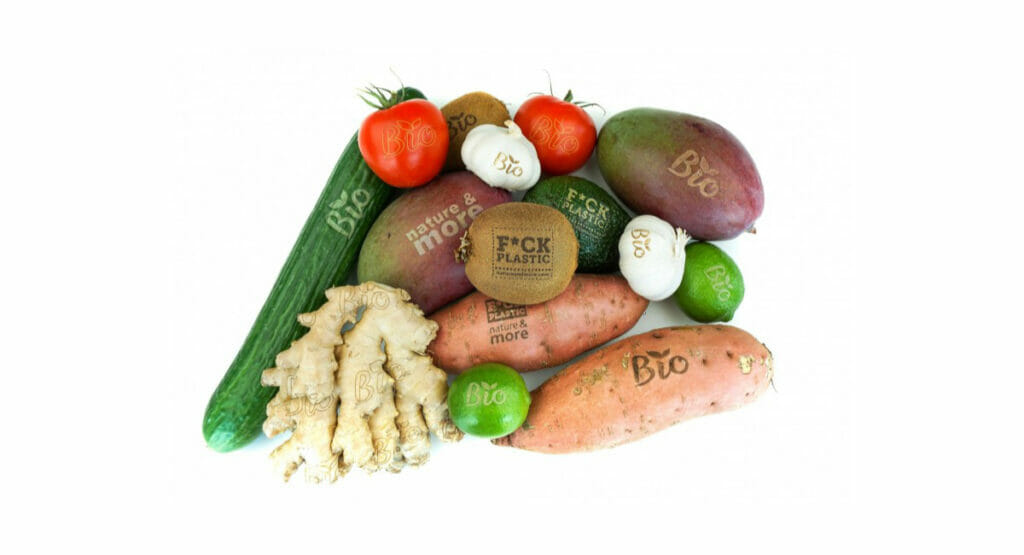
Eosta, an international distributor of organic fruit and vegetables from Waddinxveen in the Netherlands, is taking a relaxed approach to the French packaging ban. The most radical solution Eosta has been offering since 2016 is natural branding, i.e. Labelling directly on the tray using a focused beam of light. Eosta was the first company in Europe to introduce this process on a large scale for organic products.

With Natural Branding, the organic logo is lasered directly onto the fruit - the product is labelled as organic, without any outer packaging. According to the company over 30 million packaging units and 1.5 million kilograms of CO2 be saved.
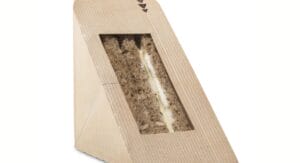
Organic tomatoes, apples and other products are still packaged en masse in so-called flowpacks, i.e. shrink-wrapped in plastic film. Soft fruit such as blueberries is often packed in plastic trays. "This is no longer necessary," explains Paul Hendriks, packaging manager at Eosta. In recent years, Eosta has Various options with paper and cardboard material for soft fruit, hard fruit and other products developed: PaperPack, PaperBox, PaperSleeve and PaperShaker. PaperPacks in particular have the potential to replace millions of flowpacks.
The PaperBox is a box made of paper or cardboard in three sizes. It contains no plastic, but the product is clearly visible. The PaperSleeve is a paper/cardboard box with a sleeve for organic apples and pears or other larger fruits. Eosta also offers trays with paper or cardboard handles, viscose nets for citrus fruit, paper boxes for dates and physalis.
Source: Eosta
More news from the food packaging sector


Rattpack expands Apolda site

Stolen returnable deposit boxes uncovered

Ardagh expands portfolio for the US market

Händlmaier doubles capacity with new tube filling line