
Flower bouquets are for Mother's Day - this year on 10 May – the most popular gift. For the journey to the recipient, the bouquet is usually beautifully and safely packaged: in paper, cardboard, cellophane or a plastic bag. The „Waste Separation Works“ initiative explains how such packaging, floral decorations, and finally the wilted bouquet can be disposed of in an environmentally friendly way.
A bouquet is often wrapped in cellophane or other plastic films, which protect the flowers from external influences. These films are usually recyclable and should be disposed of in the yellow bin or yellow bag. If the film is undamaged, it can also be reused, for example as gift wrapping. Empty plastic bags for flower fertilizer also belong in the yellow bin.
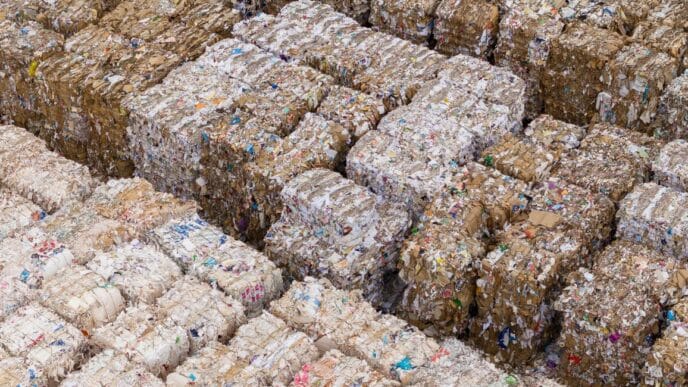
Bouquets are often presented in sturdy wrapping paper, ribbed kraft paper, or coloured tissue paper. These uncoated papers should be disposed of in the paper recycling bin, provided they are not reused. It is important that the paper is disposed of dry, as damp paper can hinder the recycling process. Waste paper is an important raw material for the paper industry and should not be lost.

Cardboard packaging and accessories
Flower delivery services often use cardboard packaging, which should be disposed of with waste paper after use. However, accessories like carrying straps should be removed beforehand. Waterproof plastic inserts or water tubes protect and keep the flowers fresh during their journey: as packaging components, they should subsequently be placed in the yellow recycling bin or bag – and this also applies to coated cardboard.
If the bouquet has wilted, it should be disposed of in the organic waste bin after accessories such as wires, floral wrap tape, and floral foam have been removed. These belong in the residual waste. Flowers treated with glitter spray or varnish are also not permitted in the organic waste bin.
Correct waste separation is crucial for keeping valuable raw materials in circulation and relieving the burden on the environment. The ‚Waste Separation Works‘ initiative emphasises the importance of the correct disposal of packaging in order to reduce CO2 emissions and conserve resources.
Source„Recycling Works“ initiative“