High-quality spirits from Europe are in demand worldwide and are frequently exported to international markets by sea freight. During these long journeys, the bottled goods in containers are often exposed to fluctuating temperatures and high humidity for weeks. These conditions can lead to moisture-related damage to packaging, labels, and the product's presentation.
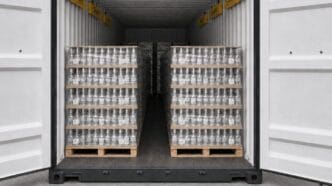
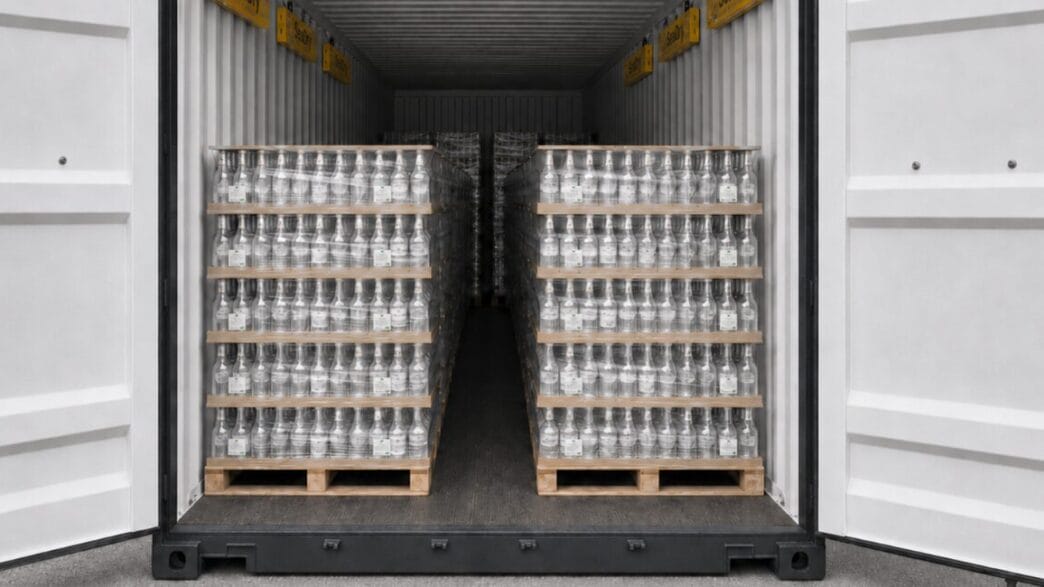
A typical scenario involves palletised bottle packages stabilised with cardboard and wrapped with stretch film for load security. During sea transport, temperature fluctuations can cause humidity within the container to rise significantly and promote condensation. This is particularly critical for high-quality spirits, as labels, finishes, and decorative materials are sensitive to moisture. Furthermore, the film restricts air exchange within the pallet, meaning moisture can also become a problem between layers of bottles and cardboard elements.
Professional damp proofing
The North German family-run company ThoMar is making sea transport safer with its desiccants. For example, the high-performance container desiccant SeaDry Pole H can initially be attached above the cargo inside the container. However, an analysis of the packing and transport process showed that moisture protection should be enhanced not only in the container space but also within the palletised and shrink-wrapped bottle layers. Therefore, the specialists at ThoMar recommended the use of the Inbox desiccant bag BoxDryy directly between the bottle layers as a supplementary measure. This combination utilises the strengths of both high-performance desiccants: SeaDry Pole H dehumidifies the container air, while BoxDryy supports moisture protection directly within the packaging unit.

Maintain product quality up to the target market
The result of this combination is comprehensive moisture protection, taking into account not only the container but the entire packaging situation. The additional dehumidification with a modern inbox desiccant directly on the goods is crucial, as it supports protection precisely where moisture has difficulty escaping within foiled pallets.
The use case demonstrates that desiccants should be incorporated into packaging and transport planning from the outset, rather than being considered only in response to damage that has already occurred. ThoMar supports its customers with solutions to efficiently and practically align load building, packaging, and transport routes, thereby ensuring product quality all the way to the target market.
Source: ThoMar