PPWR software makes recyclability transparent: Matthias Egger, Packaging Cockpit | interpack 2026

How does the complex EU Packaging Regulation become practical software? Matthias Egger (Packaging Cockpit) will demonstrate at interpack 2026 how recyclability analyses and PPWR compliance work digitally – particularly exciting: the risk-based PFAS testing methodology for the 12 August deadline.

PPWR software makes recyclability transparent: Matthias Egger, Packaging Cockpit | interpack 2026

How does the complex EU Packaging Regulation become practical software? Matthias Egger (Packaging Cockpit) will demonstrate at interpack 2026 how recyclability analyses and PPWR compliance work digitally – particularly exciting: the risk-based PFAS testing methodology for the 12 August deadline.

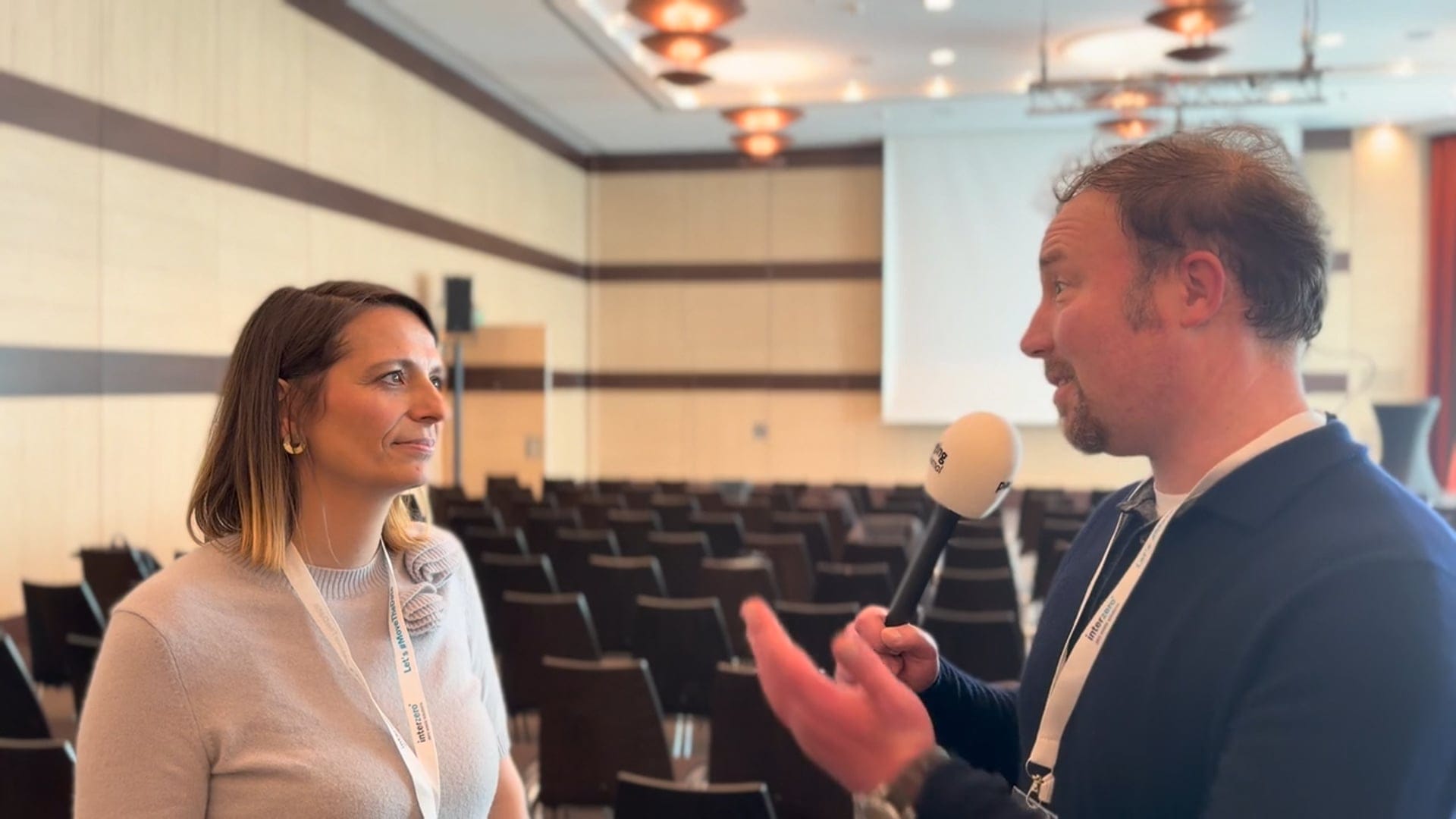
The EU Packaging and Packaging Waste Regulation (PPWR) presents companies with complex documentation obligations. Packaging Cockpit from Vienna will demonstrate at interpack 2026 how legal requirements can be translated into practical software solutions – Matthias Egger explains the approach.

Data collection along the value chain

„The nice thing is that the data can be passed on in the tool. You can collect the data there, at the place that knows the data best, namely at the packaging manufacturers,“ explains Matthias Egger, Senior Expert at Packaging Cockpit. The software makes it possible to export and pass on packaging data along the entire value chain.

The Austrian company focuses on three core areas: recyclability analyses, life cycle assessments, and PPWR compliance declarations. „If you really read the PPWR very carefully, with Annex 7, what's in there, what all belongs in the technical documentation, meaning manufacturing drawings, these are things that one can already work on now,“ says Egger.

Risk-based PFAS testing methodology

For the critical Article 5 of the PPWR, Packaging Cockpit has developed a special solution. „To achieve this, we have created a risk-based methodology that allows you to calculate the risk of PFAS being present based on the materials you enter into Packaging Cockpit,“ explains Egger.

This allows for targeted testing instead of costly full analyses. For medium-sized packaging manufacturers, in particular, who cannot have every batch lab-tested, this is a crucial lever – the methodology brings clarity where previously there was only uncertainty and effort.

From Startup to PPWR Infrastructure

Beyond pure software, the company has launched the „Digital Packaging Transformation Initiative“ to define standards together with the retail sector. The aim is for data to be entered once and then multiplied along the supply chain – an approach that can significantly reduce the enormous additional effort involved in PPWR data collection.

On the market for six years, Packaging Cockpit positions itself as the interface between legal requirements and practical implementation. With the approaching deadline of 12th August, the software solution is becoming critical infrastructure for many companies' PPWR compliance.