Automated warehouses, mobile robots and sorting systems generate enormous amounts of data. Sensor technology plays a central role in recording material flows, analysing processes and operating systems safely. Sick combines sensor technology, software and safety solutions for this purpose.
In automated logistics systems, the quality of data acquisition determines the efficiency and transparency of processes. Sensors identify goods, record volume and weight or monitor movements in the material flow. At LogiMAT 2026, Sick will be presenting solutions that combine this data acquisition with analysis and safety functions.
The applications range from production and warehouse technology to distribution logistics. Sensor technology supports tasks such as warehouse automation, pallet handling, track-and-trace or the safeguarding of machines and work areas. Increasingly, AI-supported functions are also being used, for example to recognise objects or classify logistical goods.

Data utilisation via analysis platforms
The collected data forms the basis for digital material flow processes. According to the company, the Sick Analytics software platform plays a central role in this. It is used to merge and analyse sensor data from different applications and make it usable for controlling intralogistics processes.
In complex logistics systems in particular, this evaluation can help to make system statuses transparent and recognise bottlenecks at an early stage. Operators receive key figures on the performance of their systems and can optimise processes in a targeted manner.
Track-and-trace for automated sorting
A typical field of application for sensor-based data capture is automatic shipment sorting. Track-and-trace systems record information such as barcode content, volume or weight of consignments.
According to the provider, the systems can be expanded to include AI functions. These can, for example, recognise hazardous goods, classify objects or separate goods that are detected at the same time. For monitoring such systems, the Sick TTAL analysis and visualisation software offers functions for diagnostics and performance monitoring.
Solutions for pallet handling and warehouse automation
Sensor technology also plays a central role in internal pallet handling. Systems identify load carriers, check pallets for damage or measure protrusions and weights.
One example is the Cargosizer, which, according to the manufacturer, can also record black-wrapped pallets and provide precise volume data. This data can be used for billing, planning or quality control.
Sick also provides special sensor solutions for automated warehouses. These include the Lector85x camera-based code reader, which was developed for use in deep-freeze warehouses. Thanks to special anti-fogging and insulation measures, it is designed to reliably detect codes even at temperatures as low as -35 °C.
Safety for people and mobile systems
In addition to data collection, safety is another key issue in intralogistics. Sensor-based safety solutions monitor work areas and protect both employees and systems.
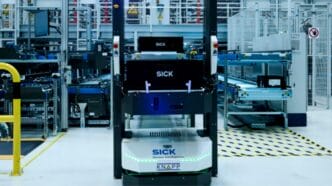
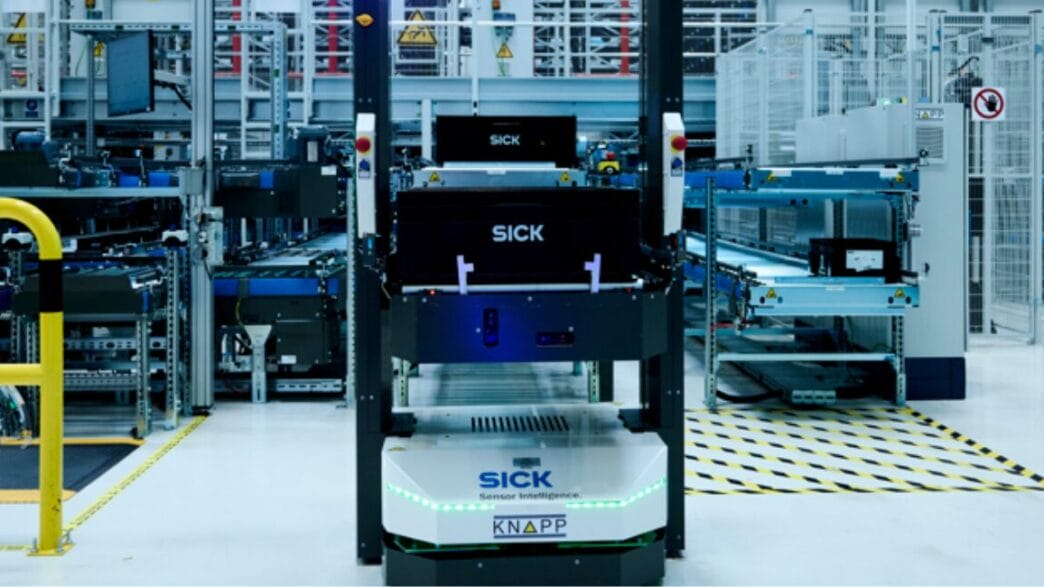
For mobile platforms - such as autonomous transport vehicles or industrial trucks - Sick offers a system consisting of sensors and a safety controller. The Flexi Mobile controller integrates signals from various sensors and provides diagnostic data. The aim is to support functions such as collision avoidance, localisation or driver assistance.
This makes sensor technology not only a data collector, but also a central component for transparent, safe and efficient material flows.
Sick at the LogiMAT 2026: Hall 1, Stand F51
Source: Sick