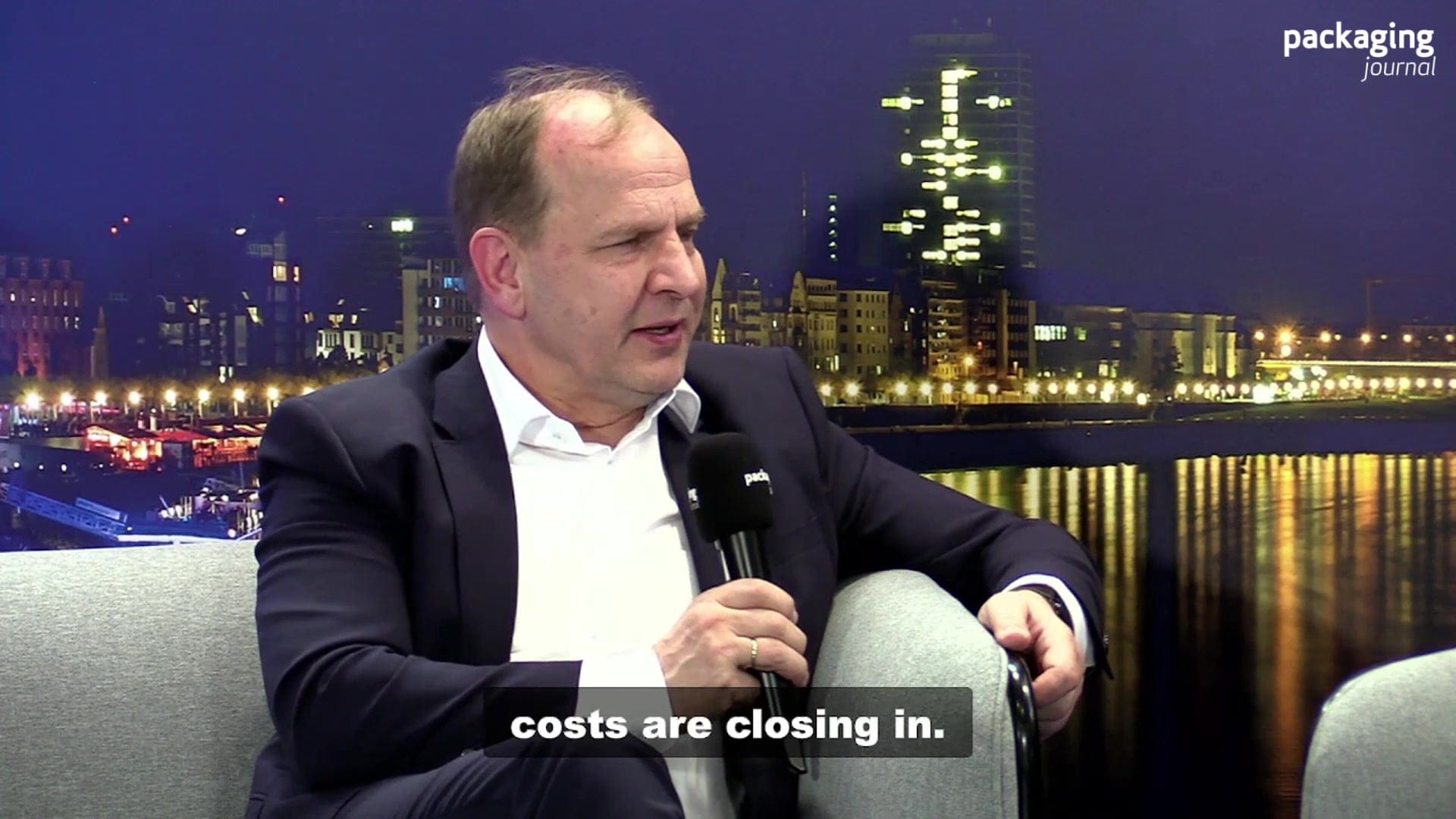
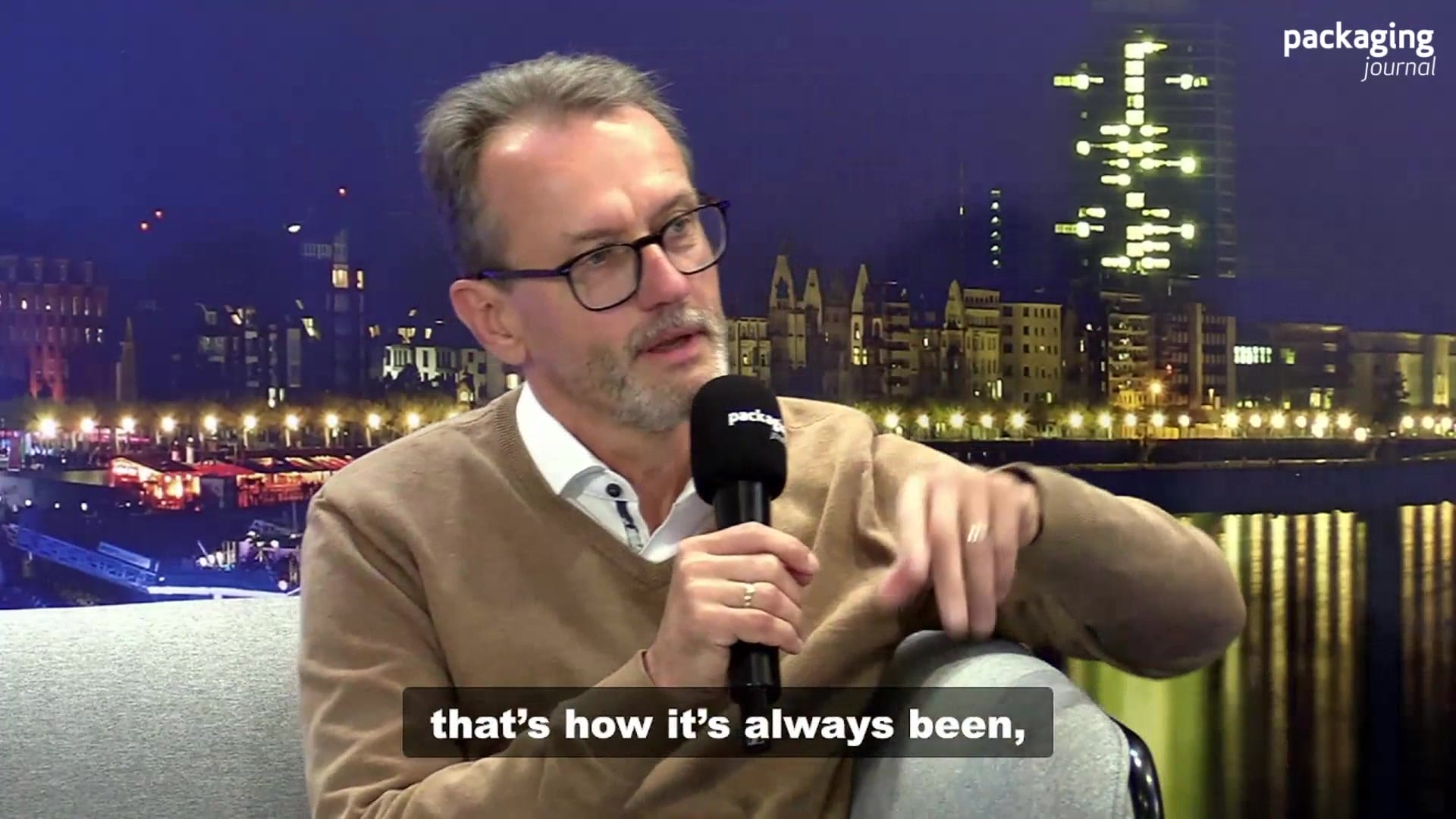
The plastic packaging industry is experiencing an unprecedented raw material price shock. Dr. Martin Engelmann, Chief Executive Officer of the IK Industrievereinigung Kunststoffverpackung (Industry Association of Plastic Packaging), is warning of the dramatic consequences of the current market distortions at interpack 2026.
Historic price increase within weeks
Since the road closure in Namur in March, polymer prices have exploded worldwide. „We have never seen such a price shock in the entire plastics processing industry,“ explains Engelmann. A recent survey of IK members shows the extent of it: „Raw material prices rose by 60 percent in April compared to February. A 60 percent increase in raw material costs within 4 weeks, that's just hammer.“
The short-term nature of the development is particularly problematic. While price adjustment clauses only come into effect after three months, companies have to deal with the increased costs immediately. Engelmann expects the disruptions to continue „at least until the end of the year“ – a burden that particularly affects medium-sized packaging manufacturers.

Recycling record despite marketing trends
Despite the crisis, there is also good news: With 71 percent of plastic packaging recycled, Germany has reached a new record. „We remain in the top group,“ emphasizes Engelmann. This success is thanks to both manufacturers, who are producing more recyclable packaging, and the dual systems, which have invested in sorting and recycling facilities.
Engelmann, on the other hand, is highly critical of the marketing-driven trend towards paper-plastic composites: „Marketing departments think: plastic is bad, so now we'll use paper. Then, however, the quality manager says, I need plastic as a barrier coating. Then you end up with some sort of mix. That's not good.“ The IK is therefore calling for an eco-modulation of licensing fees, following the example of other EU countries.
Pragmatic implementation of PPWR called for
Engelmann is cautiously optimistic about the EU Packaging and Packaging Waste Regulation (PPWR). After a difficult „first half“ of the legislative process, he sees positive developments: „We want to make it pragmatically manageable.“ The industry must implement the regulation to avoid a patchwork of national rules.
This presents the plastics packaging industry with enormous challenges. While raw material shortages must be managed in the short term, recycling successes show the way to a sustainable future – provided that regulatory clarity and fact-based material decisions replace short-term marketing reflexes.