Vision 2018: Machine vision technology continues to conquer new areas of application
The machine vision industry in Germany is growing steadily, says Dr Olaf Munkelt, Managing Director of MVTec Software GmbH, in an interview at Vision 2018.
22. June 2018
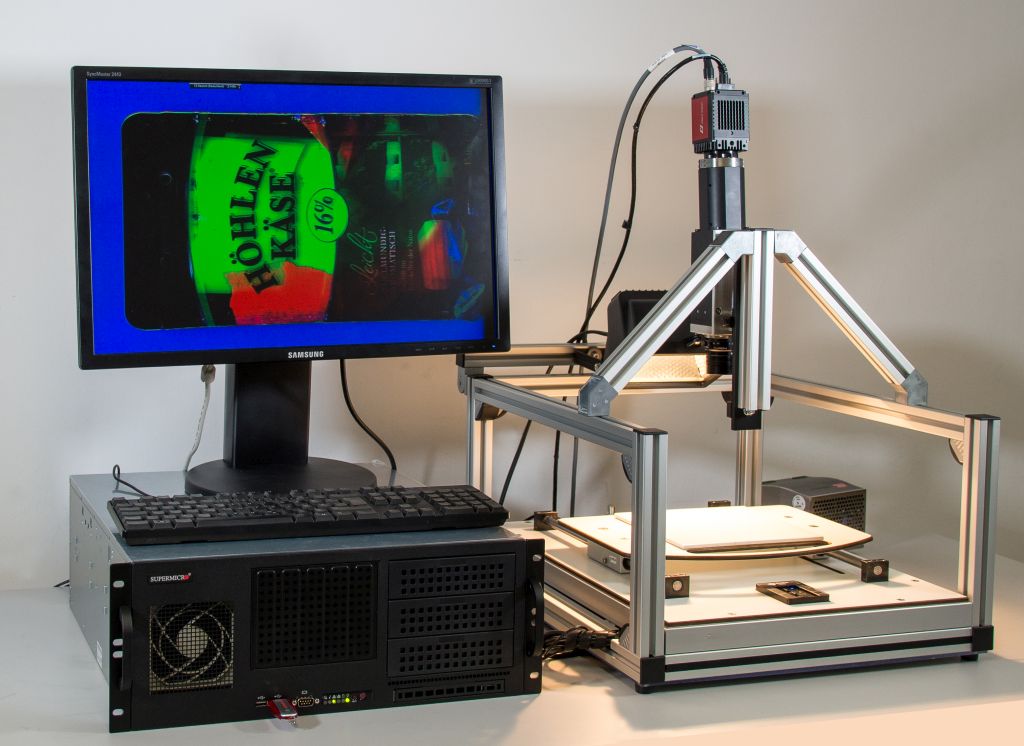
Hyperspectral imaging„ is used to capture different wavebands. Comprehensive analyses, for example of food, become possible. (Image: Stemmer Imaging)
In an interview with „packaging journal“, Dr Olaf Munkelt, Managing Director of MVTec Software GmbH and Chairman of the VDMA Machine Vision Division, comments on the situation in the machine vision industry and names the trends for the next VISION.
pj: The economic data for this year looks promising. Will the vision industry also benefit from the general upturn?
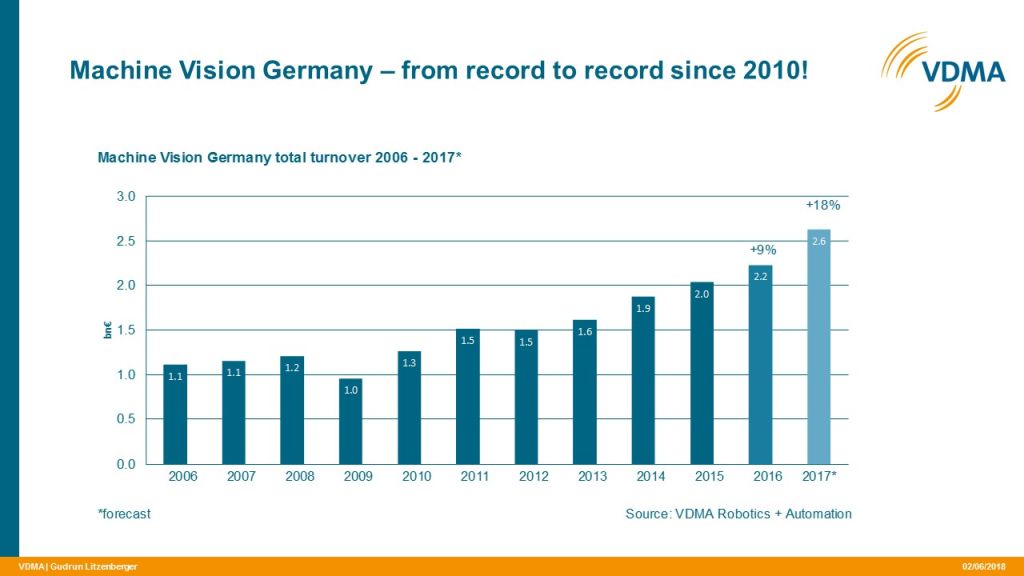
Dr Olaf Munkelt: The machine vision industry in Germany and Europe has been reporting record sales and sustained growth for years. Since 2012, sales have grown by an average of ten per cent per year, and by around 18 per cent in 2017. For 2018, we are again forecasting Up to ten per cent growth.
Machine vision has become a key component in the global automation race and is constantly conquering new areas of application. Improved quality, greater reliability, increased safety and efficiency are just as much in demand in non-industrial applications as they are in industrial production.
The chart shows the continuous, strong growth of the vision industry in Germany. (Figure: VDMA Robotics + Automation)The chart shows the continuous, strong growth of the vision industry in Germany. (Figure: VDMA Robotics + Automation)
pj: At the Vision/VDMA CEO Roundtable at the beginning of the year, there was talk of classic, smaller machine vision providers increasingly coming under the scrutiny of large corporations and financial investors. Is the owner-managed German engineering company on the brink of extinction?
Dr Olaf Munkelt: The growing interest of financial investors and other automation companies in the „booming“ machine vision sector is logical. We have been observing for years that traditional sensor manufacturers, for example, are increasingly including image processing in their product portfolio, whether through in-house development, co-operations or even acquisitions. However, this does not mean that there is no longer any room for smaller image processing providers. On the contrary! Know-how acquired over many years, application-related expertise, high-quality products, highly motivated and well-coordinated employees, fast response and solution times and established customer relationships - all of this is more in demand than ever.
pj: Two of the trade fair's megatrends are „embedded vision“ and „deep learning“. What can visitors from the packaging industry expect to see at VISION?
Dr Olaf Munkelt: „Embedded vision, i.e. small, integrated and cost-efficient image processing systems that work intelligently directly from the machine, enables image processing on compact, very powerful computer platforms with low power consumption. This technology thus opens up many new fields of application. Autonomous driving is one of the prime examples.
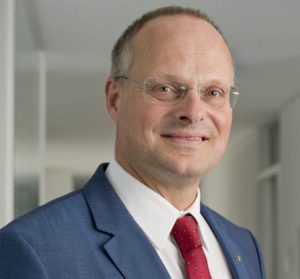
Dr Olaf Munkelt (Image: MVTec Software GmbH)
„Many years of accumulated know-how, application-related expertise, high-quality products, highly motivated and well-coordinated employees, fast response and solution times and established customer relationships - all of this is more in demand than ever.“ Dr Olaf Munkelt, Managing Director of MVTec Software GmbH and Chairman of the VDMA Machine Vision Division. .
„Deep learning utilises neural networks and requires large amounts of learning data. The learning methods are based on the way the human brain works and result in the ability to make predictions or decisions. Computer programmes based on machine learning can also use algorithms to find solutions to new problems. The artificial system “recognises„ patterns and regularities in the learning data. “Deep learning makes it possible to classify images with a better classification rate than with previous methods. This means that the different error classes do not have to be explicitly programmed. You simply „show“ images to the deep learning algorithm.
It goes without saying that both trend topics will also play a prominent role at VISION, whether on the stands or in the supporting programme, such as the „Industrial VISION Days“.
[infotext icon]Compact overview of what's happening at Vision 2018
pj: „Hyperspectral imaging is becoming increasingly cost-effective. It has also become easier to use. Is this opening up VISION to new markets and areas of application, such as the food industry or the recycling sector?
Dr Olaf Munkelt: Hyperspectral cameras record several images of a scene in different wavelength ranges. Combined, the images provide a greater depth of information. This technology is used in areas where ingredients and substances that cannot be identified using conventional colour or monochrome images need to be reliably identified and separated from one another, for example in the food, pharmaceutical or timber industries, in recycling, mining or agriculture.
pj: The VDMA Machine Vision Association is once again organising the „Industrial VISION Days“ lecture forum. What should visitors from the packaging industry definitely not miss?
Dr Olaf Munkelt: The Industrial VISION Days are the world's largest lecture forum and an important part of VISION. We are again expecting around 80 presentations on trend topics and innovations from the machine vision industry. Interested visitors should definitely not miss the panel discussion. Topics from the packaging industry can be found in the „Application Forum“, among others. There will also be something for every visitor - be they component manufacturers, end users, system providers or trend scouts - in the other eight subject areas.