In its 2026 Sustainability Report, Tesco has presented numerous measures concerning packaging, recycling, and reuse. The British retail group is increasingly focusing on packaging reduction, reusable systems, and preparation for new regulatory requirements.
According to the company's own statements, Tesco has been pursuing a „4Rs“ strategy for packaging since 2019: Remove, Reduce, Reuse, Recycle. The aim is to avoid packaging as much as possible, reduce material usage, expand reusable solutions, and ensure that any remaining packaging is recyclable.
99% of own-brand packaging is recyclable
According to the report, 99 percent of Tesco's own-brand packaging in the UK is now recyclable, taking into account both household collections and in-store collection points.

However, the original target of making all own-brand packaging recyclable by 2025 has narrowly been missed. Tesco points out that certain components continue to be difficult to recycle or are required for product safety reasons – for example, caps on milk bottles or corks on wine bottles.
In parallel, the company is reporting extensive savings on plastic packaging. For instance, over 18 million plastic parts have been removed from pre-packaged avocados. According to the report, this is in addition to almost five million plastic parts saved on berry packaging and more than four million on exotic fruits.
In the wholesale sector, Tesco also switched packaging for catering mushrooms from plastic to cardboard trays. This is expected to save more than 280 tonnes of plastic waste annually.
Focus on reuse and multiple use
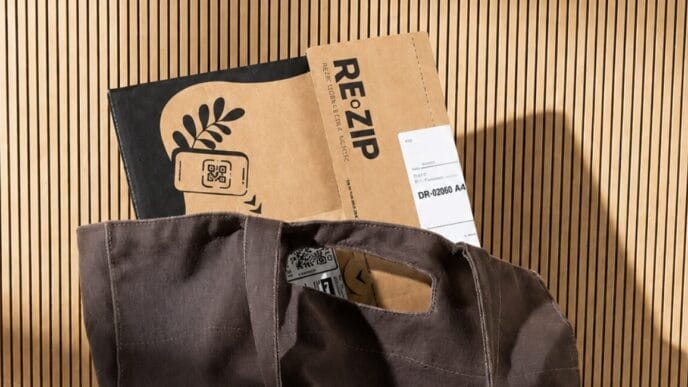
A key focus of the report is on reusable and take-back systems. Tesco has taken over the chairmanship of the UK's „Reuse Packaging Partnership“. The initiative unites nine major food retailers and is working with WRAP and the UK government on standardised reusable systems for the food retail sector. The aim is to significantly reduce single-use packaging by 2030.
Tesco is also intensively preparing for the introduction of deposit and producer responsibility schemes. The company states that it supports the implementation of a UK Deposit Return Scheme (DRS) by autumn 2027, while also working on the requirements of Extended Producer Responsibility (EPR).
According to Tesco, existing deposit return schemes in Ireland, Slovakia, and Hungary are already showing high return rates. In Hungary, over 500 million bottles have already been returned, according to the company.
Plastic collection and circular economy projects
Tesco also refers to the expansion of its own collection systems for difficult-to-recycle plastic packaging. In large UK stores, customers can return soft plastics such as bread bags or crisp packets. Parts of the material are then processed into products like shopping bags, garden furniture, or planters.
Tesco is also testing alternative packaging solutions with Mondelez: In October 2025, a pilot project began with around 300,000 paper-based „Cadbury Heroes“ containers instead of plastic packaging.
Source: Tesco