THE PACKAGING USER
Eckstein, Eckstein – Everything must be hidden!
As a travel journalist, you get around. So, a few years ago, I found myself in the Caribbean, on Aruba. There, I visited – one is naturally curious – a regional aloe vera factory, alongside numerous beaches. In the company’s fancy shop, all sorts of their products were available for purchase. Presumably to encourage sales, they had also set out an elegant crystal bowl filled with brightly coloured jelly sweets for visitors. I rarely decline such an offer. One doesn't want to be impolite. Purposefully, I reached out and was merely a second away from experiencing a new packaging trend. It's called „Double Take,“ and I've hated it fervently ever since. The jelly sweets, you see, turned out to be rapidly dissolving soap spheres in my mouth. Which, when you think about it, isn't entirely unexpected in a shop selling toiletries. But I, clueless, fell for the packaging trap and cheerfully sucked on the skincare gel. It didn't take long before I realised my soapy blunder. If you ask me: that's bodily harm. A form of aesthetic criminality. Ever since Aruba, I've developed a very sensitive relationship with things that pretend to be something completely different. Especially when they are supposed to be edible. That's why I also view the new packaging trend „Double Take“ with great scepticism.
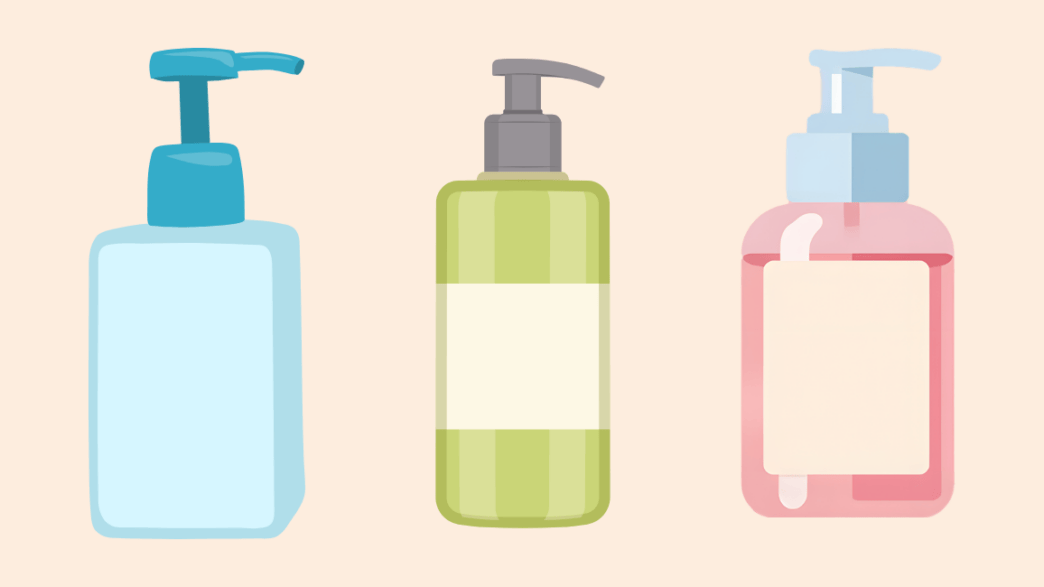
The idea behind the trend is understandable: the packaging in question makes it look like a completely different product category. I'll give a few examples: there are now drinks in pump bottles that previously contained liquid soap. High-proof spirits in cans that resemble motor oil. Sunscreen that looks like whipped cream from a spray can. The idea behind it is that the customer is deliberately confused for a moment until they figure it out. And they remember the product because: it's funny! So, „double take,“ big marketing spectacle. Or, as I call it: dangerous misleading! I understand what they're trying to do, of course. Supermarket shelves are overcrowded. Attention is the hardest currency in consumer capitalism. So, if a drink bottle looks like a washing-up liquid container, you first pay attention. And think: wait, what's this cool thing?

But I’ve got another thought, a purely intuitive one. I think: Yuck! Why on earth would I fancy a drink that’s used to remove grease from plates? Design does trigger certain associations, after all. And they’re surprisingly persistent. When I see a gin that looks as if it’s been bottled in a garage from a jerry can, my brain doesn’t think „refreshing drink“ or „super-creative gin packaging“. My brain thinks: lubricant. Garage. Oil change. A second glance might rationally correct that. But the first has already produced images and feelings that are hard to shake off. A cream packaged like engine oil just reflexively triggers a gag reflex in me. „Double Take“ deliberately plays with misplaced categories. Irony, rule-breaking, anti-design – all very modern. Creative directors love such surprises; for end consumers, they cause heartburn. You see this „Double Take“ thing everywhere these days: yoghurt in bottles you’d expect to find in a wood glue shop. Fruit juice in small canisters that look like coolant. Smoothies in infusion bags. Chocolate in blister packs like painkillers. All incredibly original. Unfortunately, not very appetising. Perhaps I’m old-fashioned in that respect. Perhaps I’m one of those people who appreciate a certain order when it comes to food. Food is welcome to look like food. And if fruit jellies are served in a bloody glass bowl, they should taste like Haribo and not like aloe vera. I never thought I’d feel so close to Forrest Gump. You’re surely familiar with the film’s most famous quote: „Life is like a box of chocolates, you never know what you’re going to get.“ My wife was with me in Aruba back then and has liked to call me Forrest ever since. And she giggles uncontrollably like a Year 3 schoolgirl whenever a bag of Haribo turns up somewhere. Thanks a lot, Double Take. In any case, my relationship with fruit jellies has been permanently ruined.
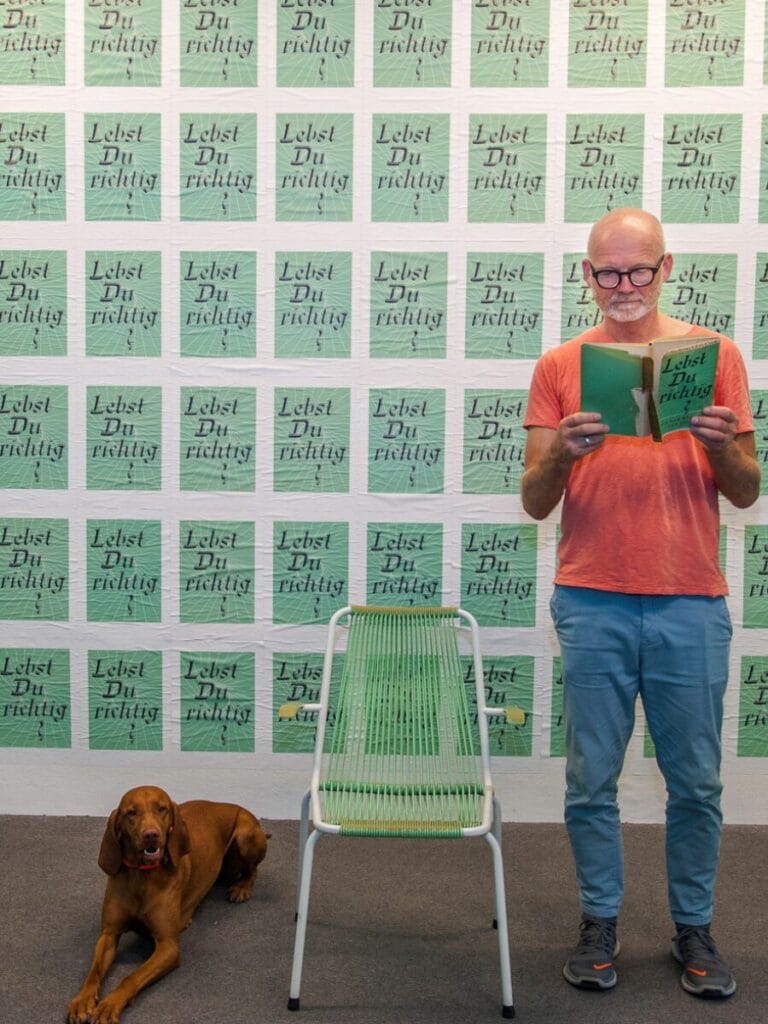
Harald Brown is not a packaging developer, a marketing strategist or a recycling professional - he is Packaging users. Nothing more and nothing less. And that is precisely what makes his perspective so valuable: unembellished, direct and full of everyday observations.
In his column "Let's wrap it up" he describes very personal experiences with boxes, foils, lids and everything that wraps products. Sometimes wonderfully funny, sometimes with a subtle side-swipe, always from the perspective of a consumer.
Anyone who produces, designs or sells packaging gets a refreshing view from the outside - and in the best case a smile.