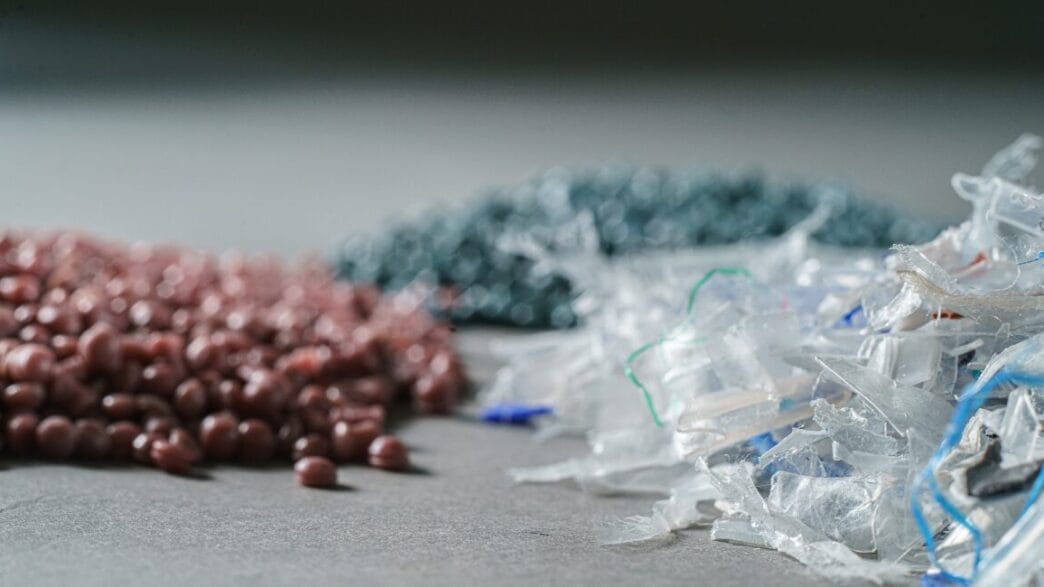
Demand for recycled plastic in Europe is rising, and with the PPWR, a minimum quota for recycled content will be legally mandated from 2030. Svensk Plaståtervinning (Swedish Plastic Recycling) is already recycling 86 percent of sorted plastic packaging to the EU's highest quality standard at its Site Zero facility in Motala, Sweden.
The material is recycled into products of the same or equivalent quality as the original, thus directly replacing fossil raw materials. According to the EU Packaging and Packaging Waste Regulation (PPWR), this is defined as high-quality recycling.
As Europe accelerates its transition to a circular economy, access to high-quality recycled plastic raw materials within the EU has become a strategic issue for industry – and, from 2030, a legal obligation. Expanding recycling capacities within the EU goes beyond regulatory compliance. It reduces Europe’s reliance on fossil fuel-based raw materials, strengthens security of supply, and increases resilience to volatile raw material prices. Full traceability and transparency along the entire value chain are crucial to ensure that recycled materials are genuinely what they claim to be.

Results and prospects
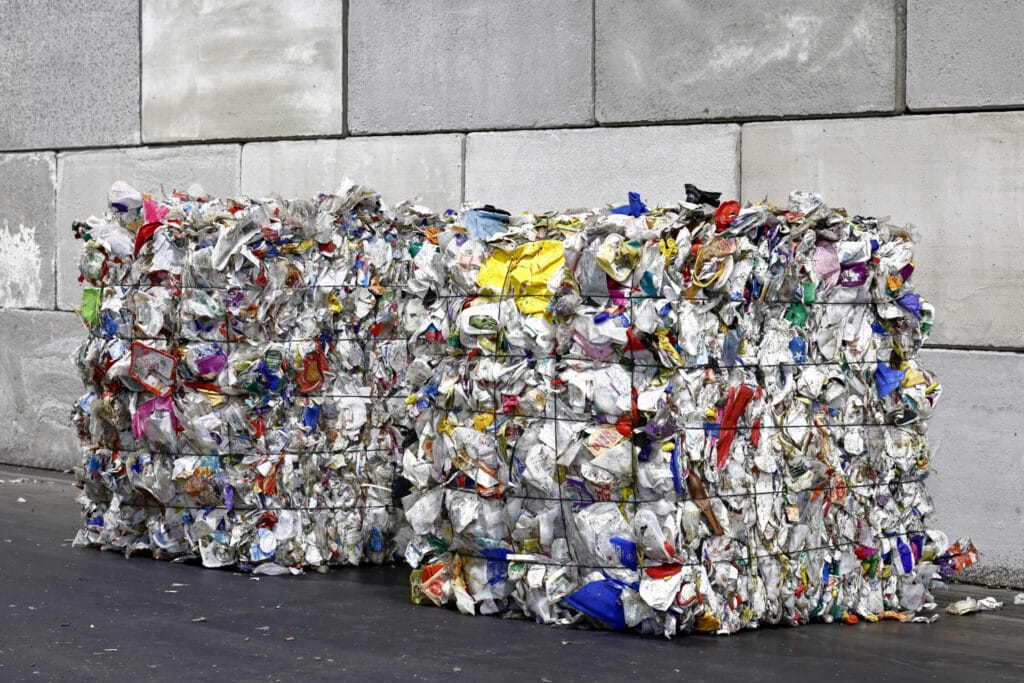
Svensk Plaståtervinning has worked closely with its recycling customers for several years, setting requirements on how sorted fractions are processed and what becomes of them. The company has now, for the first time, completed a comprehensive mapping of the end uses for each fraction – enabled by the existing traceability system and verification processes. The model is audited by an independent third party and has been recognised by Eurostat as a model for the EU.
„Traceability is not just about control – it’s about credibility and quality. An 86 percent recycling rate is an excellent result and reflects years of building a world-class sorting process and close collaboration with our recycling partners with a shared vision of a circular economy.“
Mattias Philipsson, CEO of Svensk Plaståtervinning.
Of the 86 percent of high-quality recycled plastic, seven percent was processed into new food-contact approved packaging. This was made possible by RecyClass certification for PET bottles, PET trays, and polystyrene packaging. 18 percent was processed into other plastic packaging, and 61 percent into high-quality plastic products such as luggage, cleaning equipment and larger containers. The remaining 14 percent of plastic was recycled into lower-quality products such as pallets and construction materials.
Future-proofing in the recycling industry

With an annual capacity of 200,000 tonnes, Site Zero sorts plastic packaging into monofractions, which is a prerequisite for materials to be recycled again at an equivalent quality. Mattias Philipsson: „We are among the few players in Europe who can already supply recycled plastic raw materials in the quantity and quality that will be needed from 2030. Keeping sorting and recycling within the EU is not just a matter of climate protection – it’s also about creating strategic supply security, reducing dependence on fossil raw materials, and ensuring that recycled material is truly what it claims to be.“
SourceSwedish Plastic Recycling