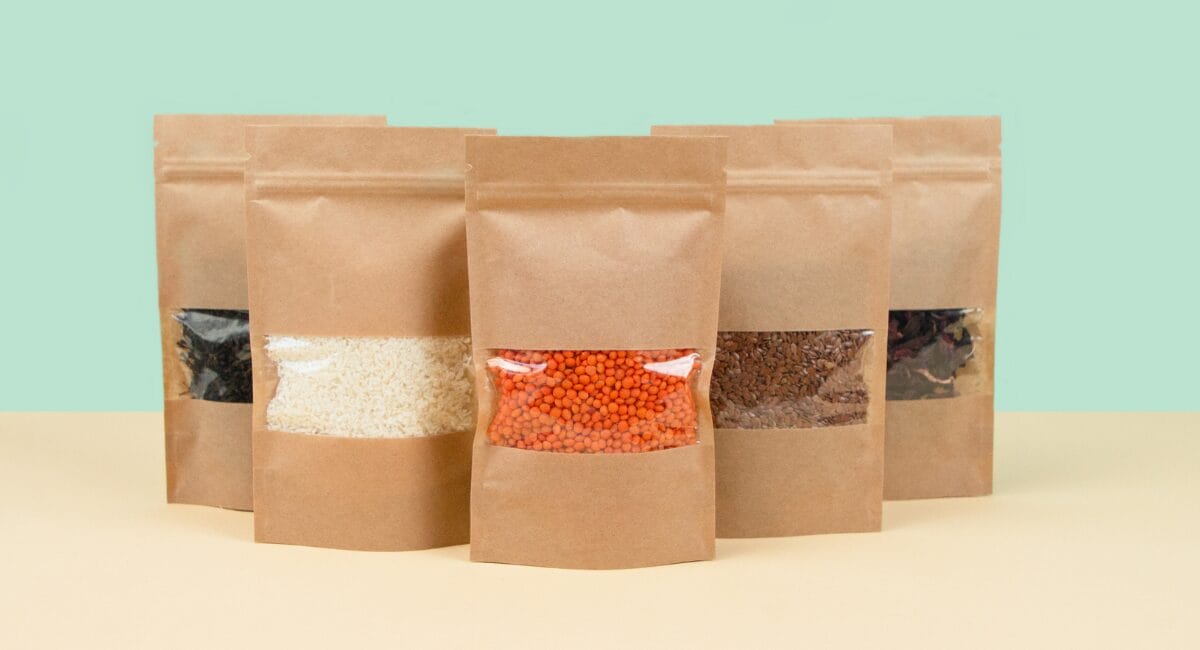
Fibre-based packaging is on the cusp of a significant transition that could see it become the dominant solution in sustainable food packaging by 2045. This evolution is being driven by advancements in barrier technology, tightening global regulations, and a clear consumer shift away from single-use plastics. These are the key findings of a new global study by UPM Specialty Materials and the consulting firm Smithers.
Over 230 professionals from the global packaging industry have participated in a collective assessment of the key trends expected to drive sustainability in food packaging by 2045. According to the survey, participants expect the share of fibre-based packaging in the global food packaging market to rise from the current 37 percent to 42 percent by 2045. 71 percent of respondents anticipate fibre-based packaging to be perceived as the most sustainable solution, particularly due to advancements in barrier technology enabling applications previously exclusive to plastics.
Janne Varvemaa, Director of Products and Technology at UPM Specialty Materials, explains: „We are encouraged to see the strong momentum behind fibre-based packaging, driven by regulation, consumer demand, and continuous innovation in barrier technologies. Our role is to support customers in this transition with high-performing, sustainable solutions that do not compromise on functionality.“

Regulatory changes and recycling
The study outlines a future where sustainability becomes a strict government mandate, no longer just a brand differentiator. 71 per cent of respondents believe this is likely, and 88 per cent expect it to fundamentally alter packaging choices. Extended Producer Responsibility (EPR) and eco-modulation fees are anticipated to become a primary driver of material selection, rewarding recyclable, high-performing solutions and penalising hard-to-recycle alternatives.
Challenges and regional differences
Recycling rates are set to increase from 31 percent in 2030 to 37 percent in 2045. Nevertheless, challenges remain, with respondents expecting landfill and incineration to persist. Findings vary significantly by region, with Europe leading in recycling, while the US and Asia-Pacific face differing infrastructural and regulatory hurdles. Overall, the findings underscore the urgency to accelerate innovation and development globally.
Ciaran Little, Vice President of the Global Consulting Information Division at Smithers, comments: „The evidence is clear that the industry will continue to focus on improving recycling rates and regulations, particularly EPR and eco-modulation, which directly influence material choice. Continuous innovations in barrier technologies are also opening up new applications for fibre-based packaging to compete with plastic alternatives.“
The full results and expert commentary can be found in the report ‚Sustainable Food Packaging to 2045‚to be inspected.
Source: UPM Specialty Materials