The production of corrugated cardboard involves high heat, high pressure and the use of aggressive chemicals. Speciality lubricants are required to ensure that the valuable machines and tools can withstand this environment in the long term. They protect all moving parts from wear and increase productivity at the same time.
The market for corrugated board is growing worldwide. This is primarily due to the rapid increase in online trade. The advantages of corrugated cardboard packaging are obvious: it is stable, lightweight and inexpensive to produce. They can also be produced in almost any conceivable shape and size and are easy to print and finish. What's more, the recyclable base material also makes them attractive from an ecological point of view.
The growing demand is both a great opportunity and a challenge for manufacturers. They have to operate their machinery more and more productively and produce more and more corrugated board faster and faster. At the same time, however, they must also protect people and machines. Meticulous and regular maintenance of the production systems forms the basis for this.

In addition, the use of the right high-performance lubricants on. Only they make it possible to fully utilise the performance spectrum of the machines - without damaging them in the process. Why and where does the packaging industry need special lubricants, and what do they generally have to be like? What should machine operators and maintenance staff know about their use?

In the interview Diana Schneider the most important questions relating to the use of lubricants in corrugated board production. The engineer is Chief Engineer at ExxonMobil and heads the technical field service for the DACH and Benelux regions.
pj: Mrs Schneider, which production steps in corrugated cardboard production involve the use of lubricants?
Diana Schneider: In fact, at every step from belt preparation to corrugating rollers and the dryer section to the cross cutter and slitter. Throughout the production process, we find machines with gears and bearings for wheels, rollers, rollers and cylinders. Every single one of these moving parts requires reliable lubrication in the form of grease or oil. If just one component of the corrugator fails, the entire production process usually comes to a standstill. An expensive and avoidable incident.
pj: Which special lubricants are particularly suitable?
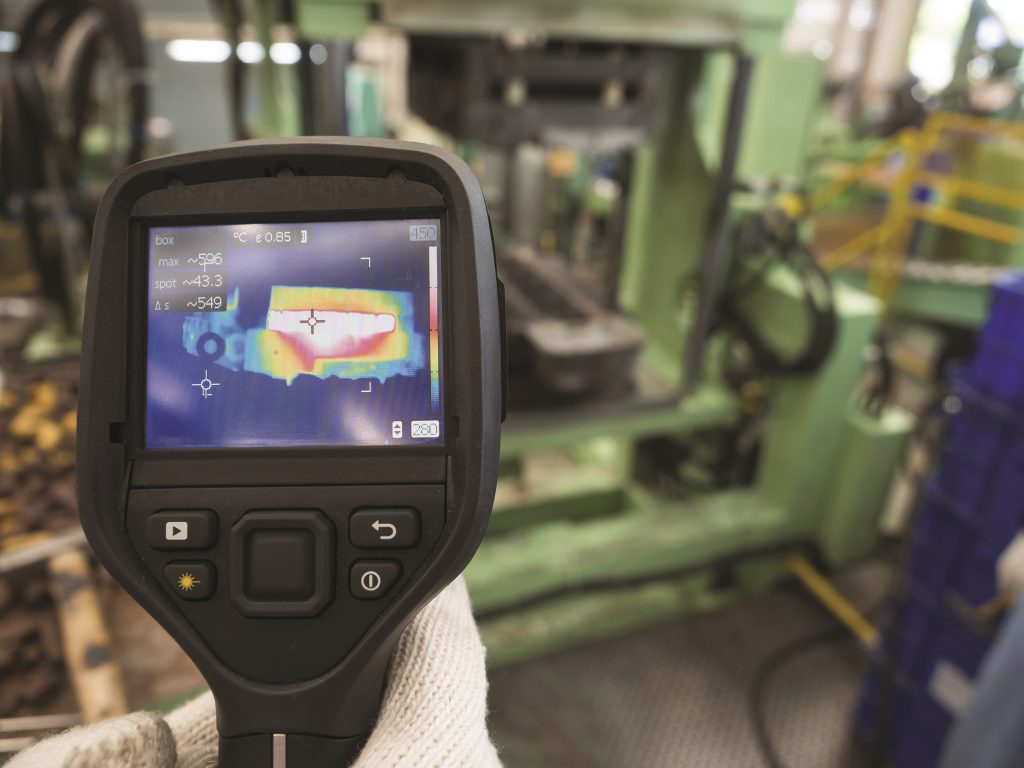
Diana Schneider: The paper and cardboard manufacturing industry is characterised by Extreme production conditions. The lubricants must therefore be particularly thermally stable and only have low flammability. Due to the extremely humid environment in the spray dampening system, the products must also be water-resistant and as insensitive as possible to chemicals. Of course, no lubricant lasts forever, even if it can ideally be filtered well. This is why we also recommend that all customers have their lubricant analysed regularly by Mobil Serv. This can easily increase the service life of an oil filling to up to ten years.
pj: What types does ExxonMobil have in its portfolio and what advantages do they offer?
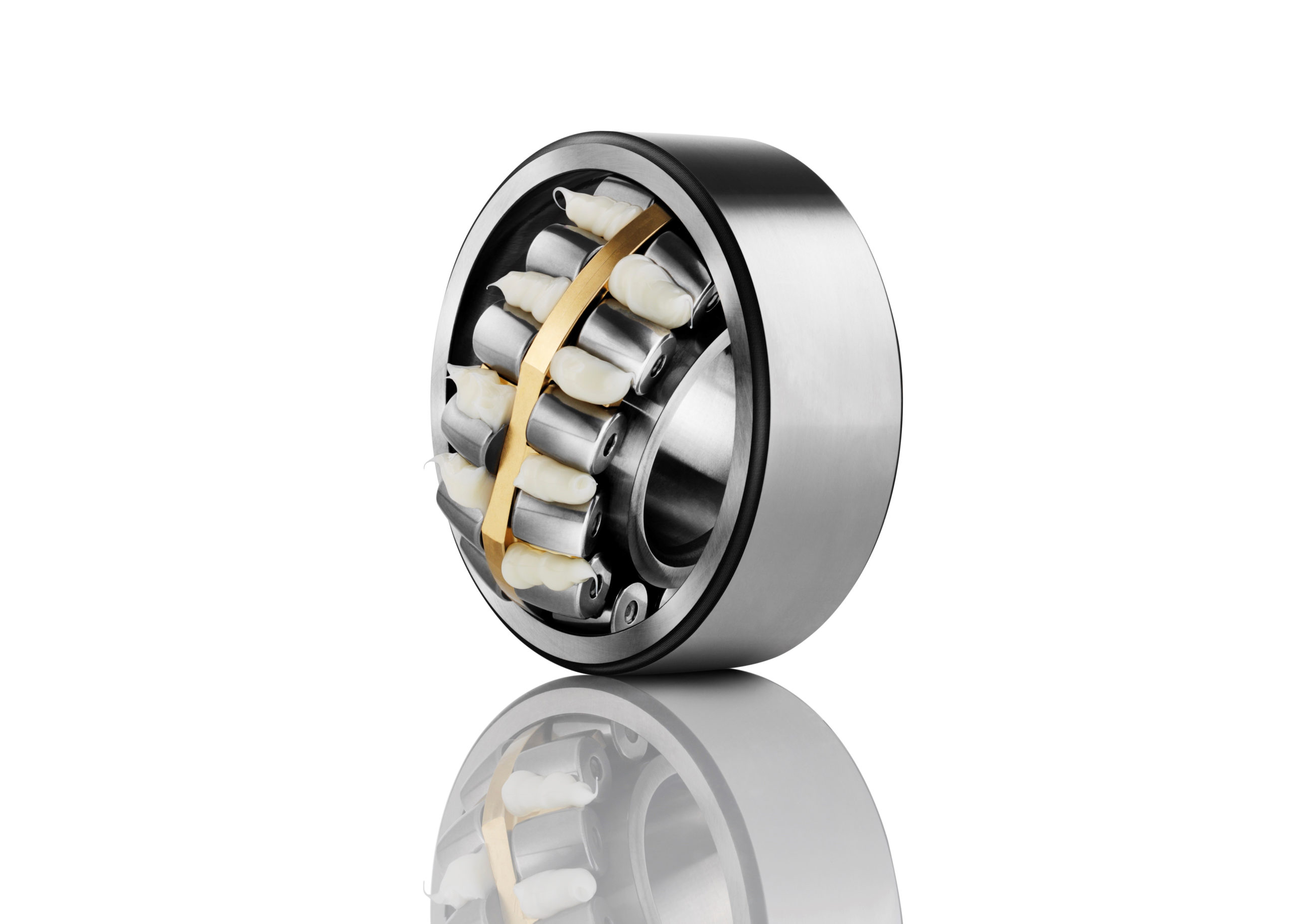
Diana Schneider: We recently launched the lubricating grease Mobil SHC Grease 462 PF for the paper and packaging industry. This product can withstand even extreme temperatures of up to 240 degrees Celsius and has ideal lubricating properties in all temperature ranges, including for lifetime lubrication. We also offer the paper industry numerous other lubricants, such as the circulating oils from the Mobil SHC PM and Mobil DTE PM product ranges, as well as special hydraulic oils.
pj: To what extent do the lubricants used influence the subsequent areas of application of the corrugated board?
Diana Schneider: There is actually no difference, as lubricants must never come into contact with the paper material during production anyway. However, lubricant leaks can of course still occur in exceptional cases. This is why there are stricter requirements for the production of food packaging for understandable reasons. The lubricants used there require approval to ensure that contact with foodstuffs via the packaging does not pose a health risk to consumers. Naturally, the corresponding lubricants from ExxonMobil fulfil these requirements.
pj: How can possible „risks“ in this context be prevented?
Diana Schneider: Leaks are the biggest threat to clean production. Leaks are often caused by low-quality or old and contaminated oils and greases. They increase the operating temperature of bearings and gears and can even destroy them. This is why it is so important to select a high-performance lubricant and analyse it regularly. Of course, all machines and tools must also be well maintained. Even an excellent lubricant is not a licence for inadequate care and maintenance.
pj: Where is the development of these lubricants heading?
Diana Schneider: Due to the increasing demand for corrugated board, manufacturers want to continuously increase their productivity. At the same time, however, they are not necessarily willing or able to invest in new machines. As a result, existing production systems have to perform better and better. High-performance lubricants such as those from ExxonMobil make precisely this possible. To ensure that this remains the case in the future, we are in very close contact with machine manufacturers and with the paper and packaging industry.