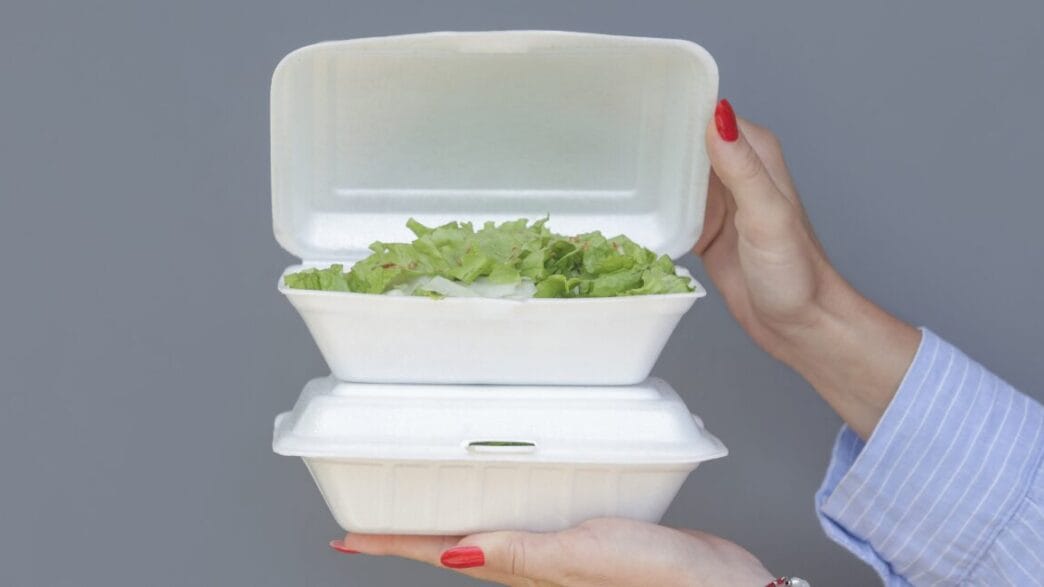
The Environmental Protection Authority (EPA) in Ghana has announced a nationwide ban on polystyrene foam products. This includes food packaging, disposable cups, and protective packaging made from expanded polystyrene (EPS). The ban is set to come into effect on 1 January 2027.
The measure stems from an announcement by President John Dramani Mahama on World Environment Day 2025. According to the EPA, the aim is to reduce plastic pollution, protect the environment, and promote more sustainable packaging solutions. In the future, the production, import, distribution, sale, and use of EPS products for commercial and everyday applications will be prohibited. This includes, but is not limited to, takeaway packaging, disposable tableware, insulation materials, foam mattresses, and packaging and cushioning materials.
The EPA only exempts EPS products for medical, scientific, or diagnostic purposes.

The packaging industry should switch to alternatives
The authority is urging manufacturers, importers, and retailers to switch to reusable, recyclable, and more environmentally friendly alternatives already during the transition period. In parallel, the EPA is planning information campaigns, discussions with industry representatives, and increased checks in preparation for implementation.
For the packaging industry, the ban means adjustments to material selection and supply chains, particularly in the foodservice and takeaway segments. EPS (Expanded Polystyrene) packaging is considered problematic in many countries because it is difficult to recycle and often ends up as litter in the environment.
Authorities prepare nationwide enforcement
According to the EPA, local authorities, port and customs authorities, and other regulatory bodies will be involved in enforcement, among others. The public will also be encouraged to make greater use of sustainable packaging alternatives.
Source: EPO