Jokey Group and Remondis are launching a targeted collection of polypropylene (PP) food packaging as a pilot project in the Ruhr region. The aim is to recycle the collected plastic packaging from the commercial food sector to a high standard and to use the resulting recyclate again for food-contact packaging.
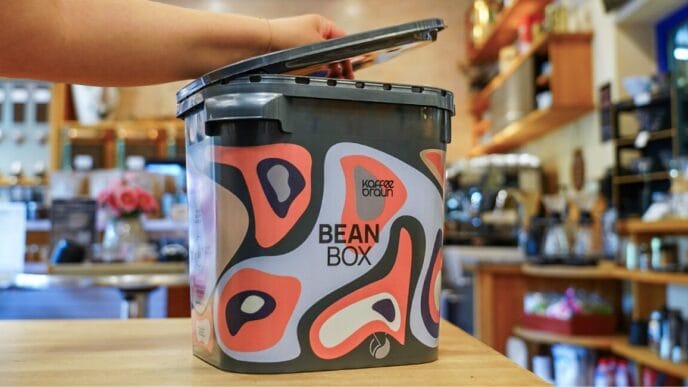
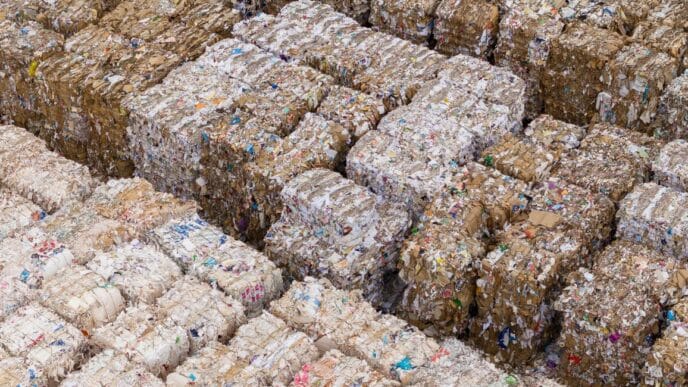
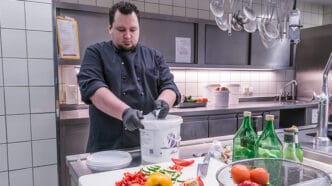
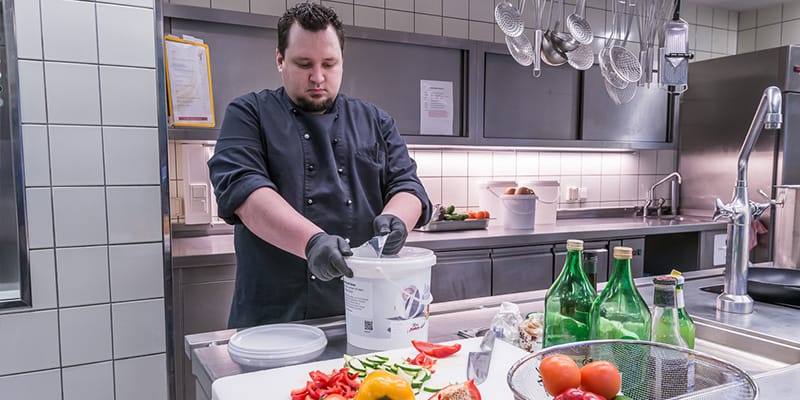
A key component of the project is the targeted collection of PP buckets used in large-scale kitchens and by food manufacturers. These plastic containers, often used for dairy products or sauces, offer ideal conditions for high-quality recycling due to their single-material structure made of polypropylene. The return of these packaging materials makes it possible to establish defined and controlled input streams, which are essential for food-contact-grade recycling.
Cooperation along the value chain
The Remondis Group contributes its expertise in the collection, sorting and processing of plastic waste, while the Jokey Group uses the recovered recyclate for new packaging. The entire process is supervised by an external scientific institution to ensure the safety and quality of the recycled raw materials. Independent laboratories comprehensively test the generated recycled raw material. The project partners maintain close communication to continuously develop the process steps and adapt them for industrial scale.

Regulatory challenges and future prospects
In addition to the technical aspects, Jokey and Remondis are also addressing the regulatory requirements. The recycling process has been submitted to the European Commission as a „Novel Technology“ to gain recognition for its use in food-contact materials. This regulatory approval is crucial for market ramp-up and the implementation of the European Packaging and Packaging Waste Regulation (PPWR), which mandates a minimum of ten percent recycled content in contact-sensitive plastic packaging from 2030 onwards.
Voices from the project
Michael Schmitz, Sustainability Officer at the Jokey Group, emphasises the importance of the circular economy as a mandate for action and sees the pilot project as a central step towards establishing circular packaging solutions. Dr. Jacob Wehrle from Remondis highlights the necessity of defined collection structures to enable high-quality PP recyclates for contact-sensitive applications.
The project by Jokey and Remondis shows that the requirements of the PPWR are practically implementable if collection, recycling, quality assurance, and regulation are considered together from the outset. Further companies from the food, packaging, and recycling industries are invited to actively shape the circular economy.
SourceJokey Group